Qatar and others propose cutting preliminary talks from 60 days to two
Plan aims to give Trump a path to end the war on his own terms
Trump administration divided between diplomacy and military action
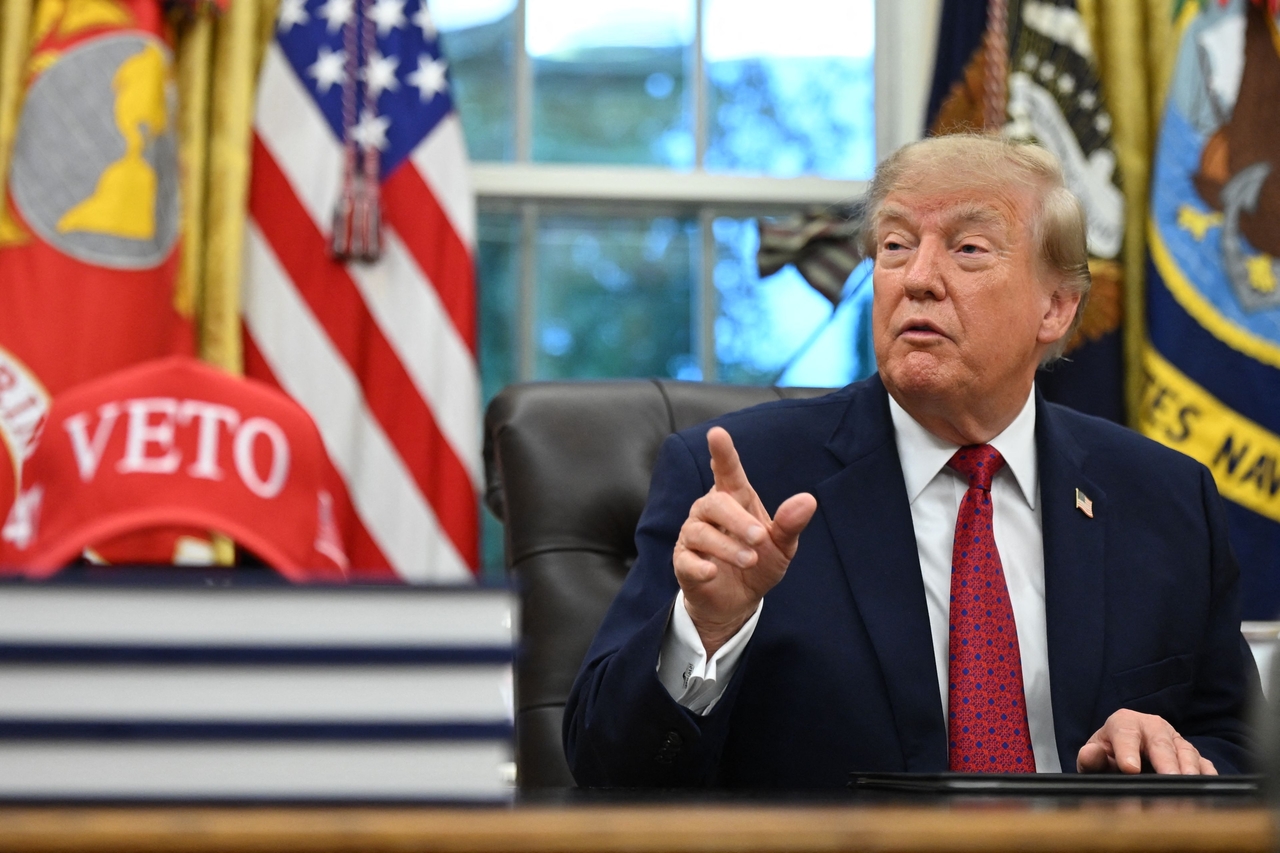
A new mediation proposal is taking shape that would push the United States and Iran into substantive nuclear negotiations almost immediately, as Gulf states seek to compress the diplomatic timeline and give Donald Trump a face-saving way to wind down the war.
According to the Wall Street Journal, Qatar and other Gulf states are advancing a new peace plan that would restart US-Iran nuclear talks at an early stage.
The proposal would cut the preliminary negotiation period from 60 days to just two — in effect launching full-scale nuclear talks without delay.
One source told the Journal that the mediation plan could offer Trump a way to wind down the war with Iran in stages while preserving his standing.
Whether Iran will accept the proposal remains uncertain, however. Iranian officials were expected to visit Doha, Qatar, as early as Sunday to discuss the matter.
Gulf states are pushing to accelerate mediation to prevent further US military action and to secure the reopening of the Strait of Hormuz and the lifting of the US blockade. The effort aims to narrow the gap between the two sides and find a path to a deal.
Foreign ministers from Gulf states have also been pursuing direct phone calls with Trump and meetings with senior US officials in Washington.
Qatar's ruler, Sheikh Tamim bin Hamad Al Thani, spoke with Trump by phone Friday to discuss ways to end the war. The Qatari royal court confirmed the call but did not disclose what was discussed.
Qatari Prime Minister Sheikh Mohammed bin Abdulrahman Al Thani also said he was continuing mediation efforts between the US and Iran to prevent the regional situation from spinning out of control.
A central question hanging over the proposal is whether a resumption of nuclear talks can in fact be linked to a reduction in military tensions. Nuclear negotiations are entangled with issues of political trust and verification, meaning the mere start of talks is unlikely to resolve the underlying conflict.
The normalization of transit through the Strait of Hormuz and the lifting of the maritime blockade are also bound up in the process. Even a shortened negotiating timeline is expected to involve considerable difficulty before any substantive agreement is reached.
Within the United States, opinion is divided over the direction of the war with Iran. Since the midterm elections, Trump administration officials have split between those pushing for a swift diplomatic settlement and those calling for intensified military pressure.
Vice President JD Vance has identified the Iran war as one of the factors behind the Republican Party's midterm defeat and has argued that the war should be ended quickly so the administration can focus on stabilizing prices.
Special Envoy Steve Witkoff has also expressed hope that Trump will continue to back a diplomatic agreement to reopen the Strait of Hormuz and end the war.
Defense Secretary Pete Hegseth and US Central Command chief Brad Cooper, by contrast, have backed a resumption of large-scale military operations.
Secretary of State Marco Rubio and Treasury Secretary Scott Bessent favor tightening economic sanctions on Iran and maintaining the maritime blockade, the Journal said.
Ultimately, the success of the Gulf states' mediation will hinge not only on Iran's willingness to engage but also on whether Trump can reconcile the competing views within his administration and throw his weight behind a diplomatic resolution.
boo@heraldcorp.com