Iced coffee sales surge across four European countries from February to August
Protein lattes to at-home products signal a diversifying market
Younger consumers lead the trend, with rising temperatures adding fuel
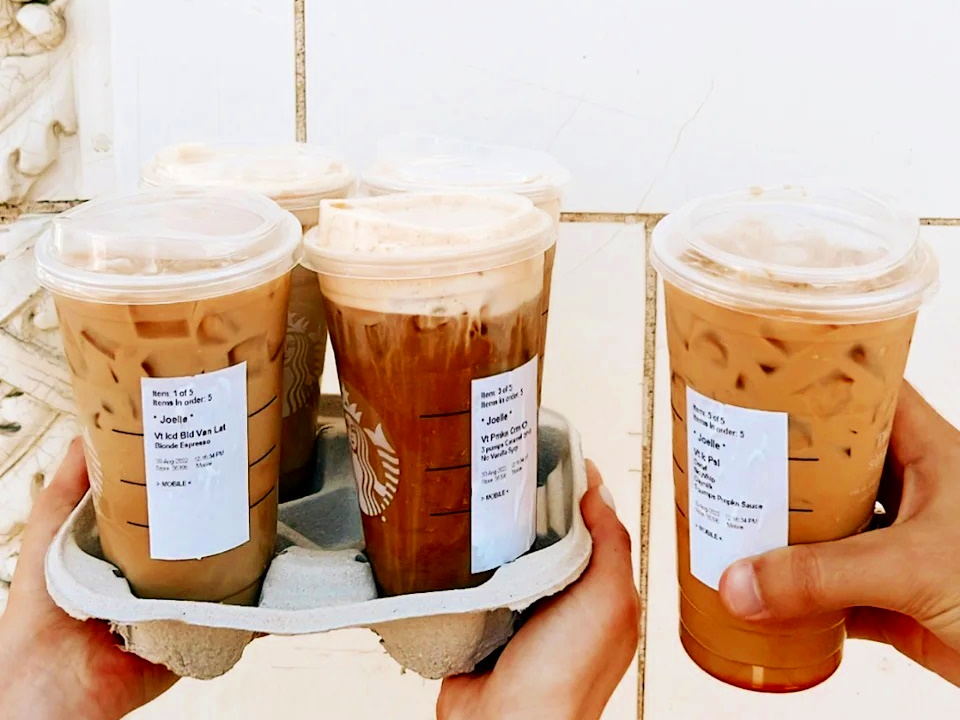
The old assumption that Europeans do not drink iced coffee is fast becoming outdated. More café-goers across the continent are ordering their coffee cold, and a wave of new menu items featuring unconventional ingredients is following close behind.
Europe is, of course, the birthplace of café culture as the world knows it. The tradition of pulling a hot espresso runs deep in daily life — so deep that in Italy, where coffee pride runs especially high, some purists have long dismissed iced coffee as not really coffee at all. Koreans visiting Europe often had to order a hot coffee and a separate glass of ice just to get a cold drink.
But traditional coffee culture is shifting, and the numbers bear it out. Iced coffee sales at food-service outlets in the United Kingdom, the Netherlands, France and Germany all grew by double digits from February to August this year compared with the same period a year earlier, according to Fyre, a market research firm based in Luxembourg. The Netherlands posted the steepest increase at 44 percent, followed by the UK at 39 percent, France at 20 percent and Germany at 19 percent.
Market research firm NielsenIQ has also noted that iced coffee in Europe is moving beyond a niche and into the mainstream. In its "2027 Beverage Market Report" released in October, NielsenIQ found that about one in three British consumers (32 percent) surveyed this year said they enjoy iced coffee available on the market. The firm added that purchases among consumers aged 55 and older are also gradually rising.
The menu options are expanding as well. British trade publication Beverage Daily reported in October that as iced coffee gains popularity across Europe, food and beverage companies are rolling out innovative offerings with distinctive flavor profiles — adding new syrups, fruit notes and functional ingredients.
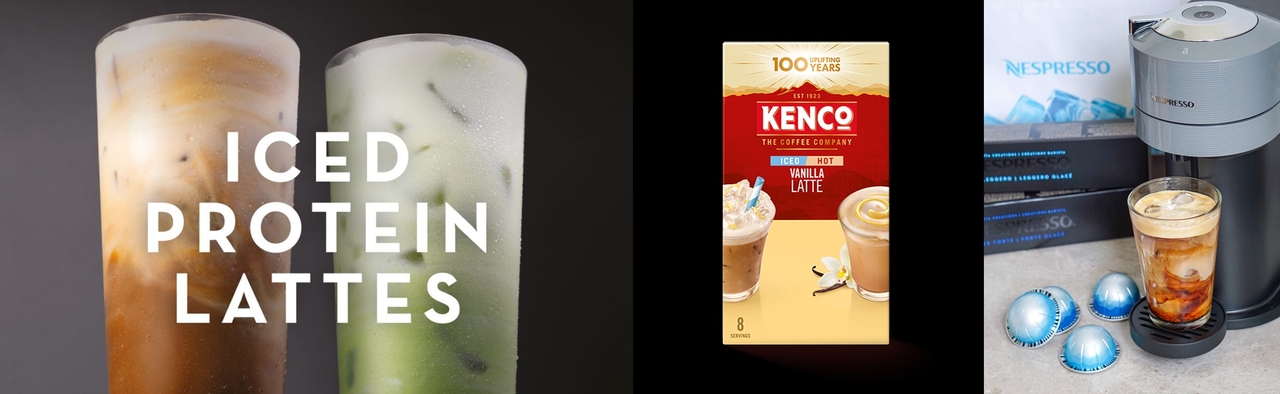
Protein powder, in particular, has emerged as a functional additive that companies are turning to in order to differentiate their iced coffee products. Caffè Nero, a café chain with more than 600 stores in the UK, launched an "Iced Vanilla Protein Latte" containing 25 grams of protein in October. Starbucks UK also introduced a "Protein Cold Foam" drink with 15 grams of whey protein in April.
Development of at-home products is also picking up. Notable examples include Nespresso's capsules designed for iced coffee and Kenco's instant coffee powder formulated for cold preparation.
Younger consumers are driving Europe's iced coffee boom. Tristan Hover, a global beverage insights manager at Euromonitor, said younger generations approach coffee very differently from their predecessors. "They are much more open to customizing their coffee to personal taste and trying new menu items — iced coffee fits that trend perfectly," Hover said. "Young people's use of social media has also had a major influence on how quickly iced coffee has spread."
Hover also pointed to rising temperatures across Europe as another factor. According to the EU's Copernicus Climate Change Service, Europe's average annual temperature in 2024 was the highest on record. The continent recorded its third-hottest year in 2025, and this summer — from June through August — Western Europe experienced its hottest summer since records began.
"As the weather gets hotter, the appeal of a hot coffee inevitably diminishes," Hover said. He added that coffee concentrates used to make iced coffee emerged as a standout product during Europe's record-breaking heat wave this year. "With so many brands competing, coffee concentrates will start to establish themselves in earnest in the European retail market next year," he said.
Some observers also credit hallyu as a contributing factor. The popularity of K-dramas and K-cafés has introduced European audiences to Korean coffee culture, where iced drinks are a staple. K-cafés have in fact become tourist attractions among Europeans, with menu items such as black sesame latte and sweet potato latte offering visitors a novel experience. The Korean convenience store ritual of pouring coffee liquid over a cup of ice has also caught on with foreign visitors.
Hwang Ye-ji, an official at the Korea Agro-Fisheries and Food Trade Corporation's Frankfurt office, said development of iced products is accelerating not only in cafés but also in the ready-to-drink market in Europe. "European interest in iced coffee could be an opportunity for Korean companies that are already skilled at making it," Hwang said.

gorgeous@heraldcorp.com