Cody Rhodes, Randy Orton, Charlotte Flair
rose to the top following legendary fathers;
the Mysterio, Anoa'i and Gunn families, too —
while Sting's two sons are only just beginning
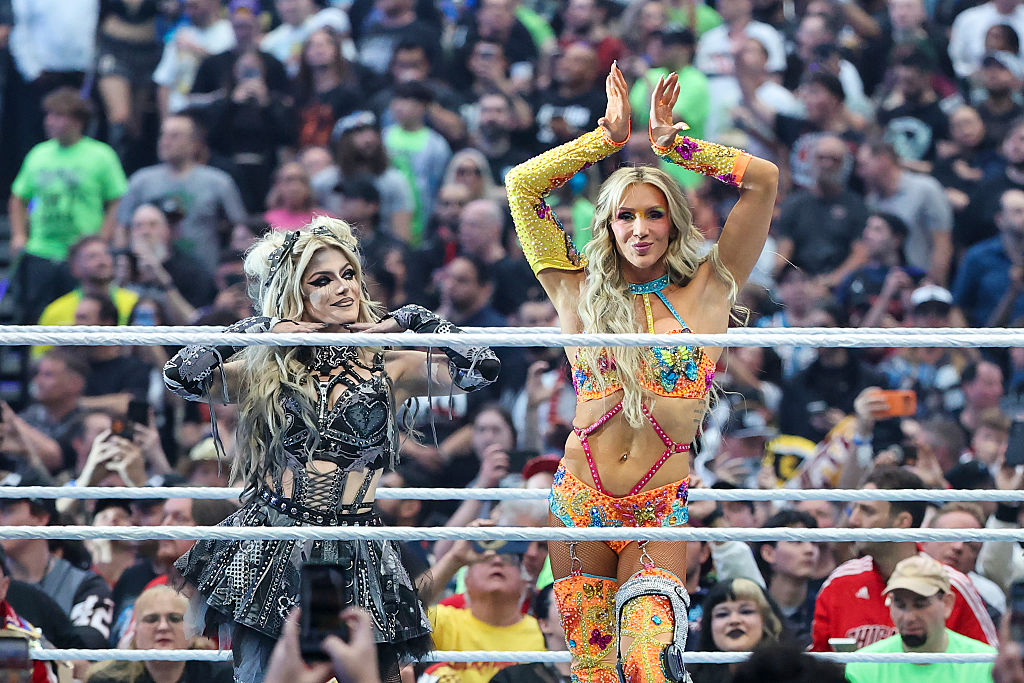
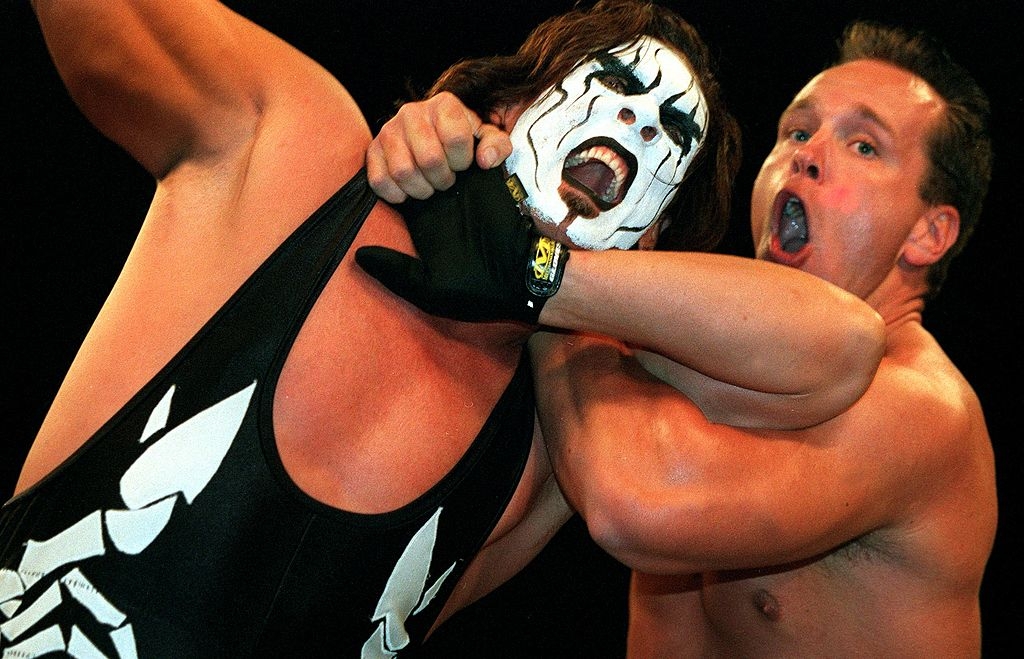
More than two years after pro wrestling legend Sting retired, his name still lives on inside the ring — this time through his two sons. With Steven Borden already active in All Elite Wrestling and older brother Garrett Borden having made his professional debut, a new chapter in the Sting family's wrestling story has begun.
What makes their path distinctive is that neither brother originally planned to follow their father into the business. The two appeared at Sting's retirement match in March 2024, dressed as their father's iconic past characters, and that experience sparked their interest in professional wrestling. Steven began training first, and Garrett soon followed him into the ring.
Steven made his pro wrestling debut in October last year and has been building experience in AEW. In July, AEW President Tony Khan praised his consistent work in non-televised matches ahead of regular programming and expressed optimism about his future. Garrett debuted in May at the Rose Wrestling Association, run by Dustin Rhodes, and picked up his first victory by using his father's signature Stinger Splash.
Garrett also competed in an AEW non-televised match in September. Steven, meanwhile, has begun appearing more regularly on AEW programming — though he suffered a setback when a head injury forced his match to be stopped at AEW All Out on Sept. 26.
Sting's two sons are still far from the top tier of the sport. But their path stands apart from other second-generation wrestlers: they chose the ring only after watching their father retire, coming to the profession later than most heirs to wrestling royalty.
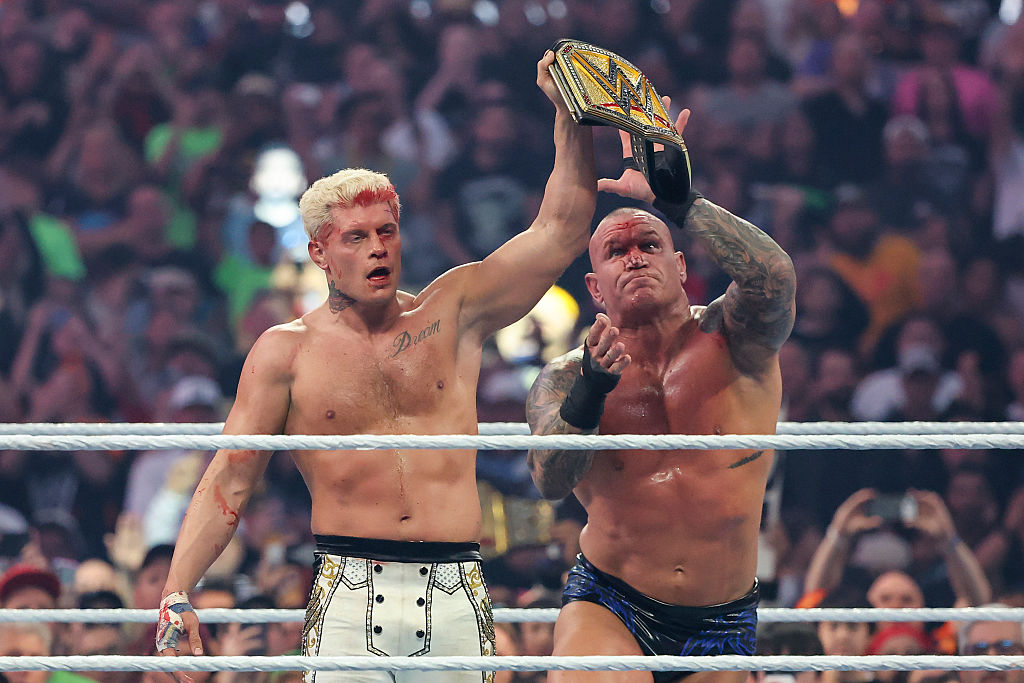
Carrying on a family name is nothing new in professional wrestling. Both WWE and AEW feature sons and daughters of legendary performers in large numbers.
The most prominent example in WWE is Cody Rhodes, whose father is Dusty Rhodes — "The American Dream" — one of the most influential figures in American pro wrestling history. Cody built his reputation in WWE before leaving to establish himself on the independent circuit, and he played a central role in founding AEW.
After returning to WWE in 2022, he defeated Roman Reigns at WrestleMania 40 in 2024 to capture the WWE Championship — fulfilling the dream of winning WWE's top title that his father never achieved. Cody's half-brother Dustin Rhodes continues to compete in AEW while mentoring younger talent, and the fact that Sting's two sons are developing under Dustin's guidance adds another layer to the family connection.
Randy Orton is another standout example of multigenerational success. Following his father "Cowboy" Bob Orton Jr. and grandfather Bob Orton Sr., he became a third-generation professional wrestler — yet he never coasted on the family name. He has captured world championships in WWE 14 times, building a legacy that surpasses his father's.
On the women's side, Charlotte Flair carries on the tradition of her father, global wrestling star Ric Flair. Charlotte has embraced her father's iconic ring robes and uses the figure-four leglock as her finishing move, channeling his flamboyant character while establishing herself as one of WWE's defining women's champions.
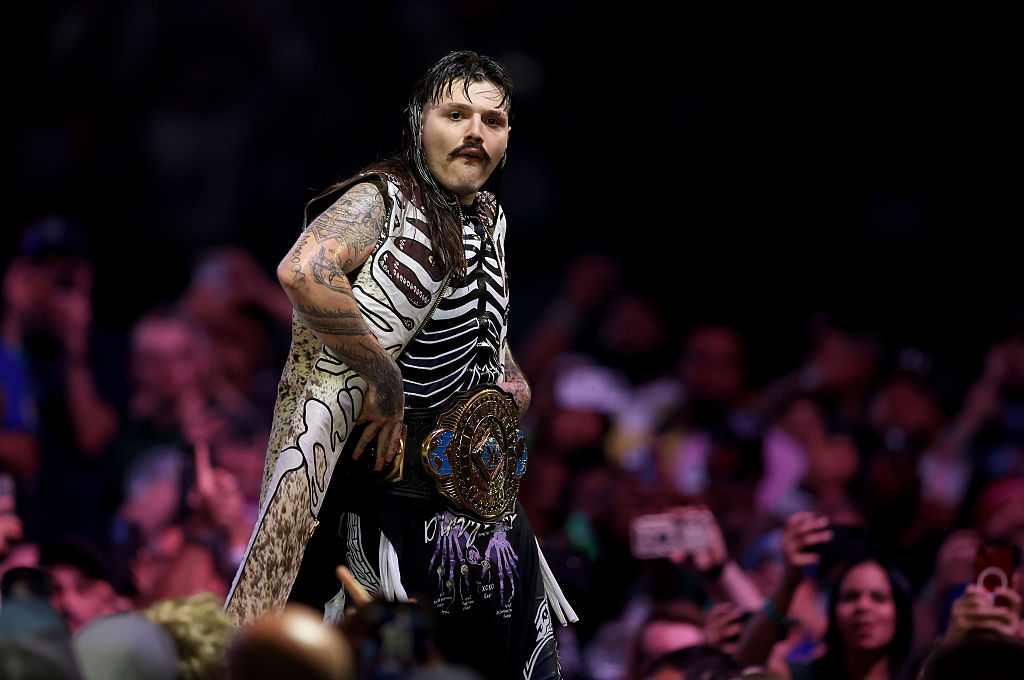
Some families have turned the father-son dynamic itself into a storytelling asset. Dominik Mysterio initially worked alongside his father Rey Mysterio before turning on him in 2022 to become a villain. He has since built that feud with his father into his defining narrative, carving out a following of his own.
The largest wrestling family in WWE is the Samoan Anoa'i family. Roman Reigns is the son of Sika Anoa'i, a member of the legendary tag team the Wild Samoans. Jimmy Uso, Jey Uso and Solo Sikoa are sons of Hall of Famer Rikishi.
Jacob Fatu is the son of Sam Fatu, Rikishi's twin brother, and Zilla Fatu, who recently joined WWE NXT, is the son of the late Umaga. Together, these family members have driven — or orbited — WWE's long-running "Bloodline" storyline, turning their shared history into a major commercial asset.
AEW also has its share of second-generation talent. Hook is the son of Taz, who made his name in ECW and WWE. Austin Gunn and Colten Gunn, sons of WWE Hall of Famer Billy Gunn, have formed a brother tag team and compete together in AEW.
Nick Wayne is the son of professional wrestler Buddy Wayne. He debuted at a young age and drew attention early, later raising his profile in AEW through a storyline involving Christian Cage. Also in AEW, David Finlay is the son of veteran wrestler Finlay, and Jeff Jarrett is another second-generation star who followed his father Jerry Jarrett, a wrestler and promoter, into the business.
A famous family name is no guarantee of success. A legendary father's reputation can be an asset that draws attention from debut, but it is also a burden — one that invites constant comparison.
While performers like Cody Rhodes, Randy Orton and Charlotte Flair have surpassed their parents' legacies, others — like Sting's two sons, who are only just taking their first steps — still have everything to prove.
The legend has retired, but the family story is far from over. Across generations, wrestling's great dynasties continue to produce new protagonists.
yjc@heraldcorp.com