A legend at 76, marking 50 years since his debut
He once hid away, unwilling to be seen changed
Inoki's dignified battle with illness changed his mind
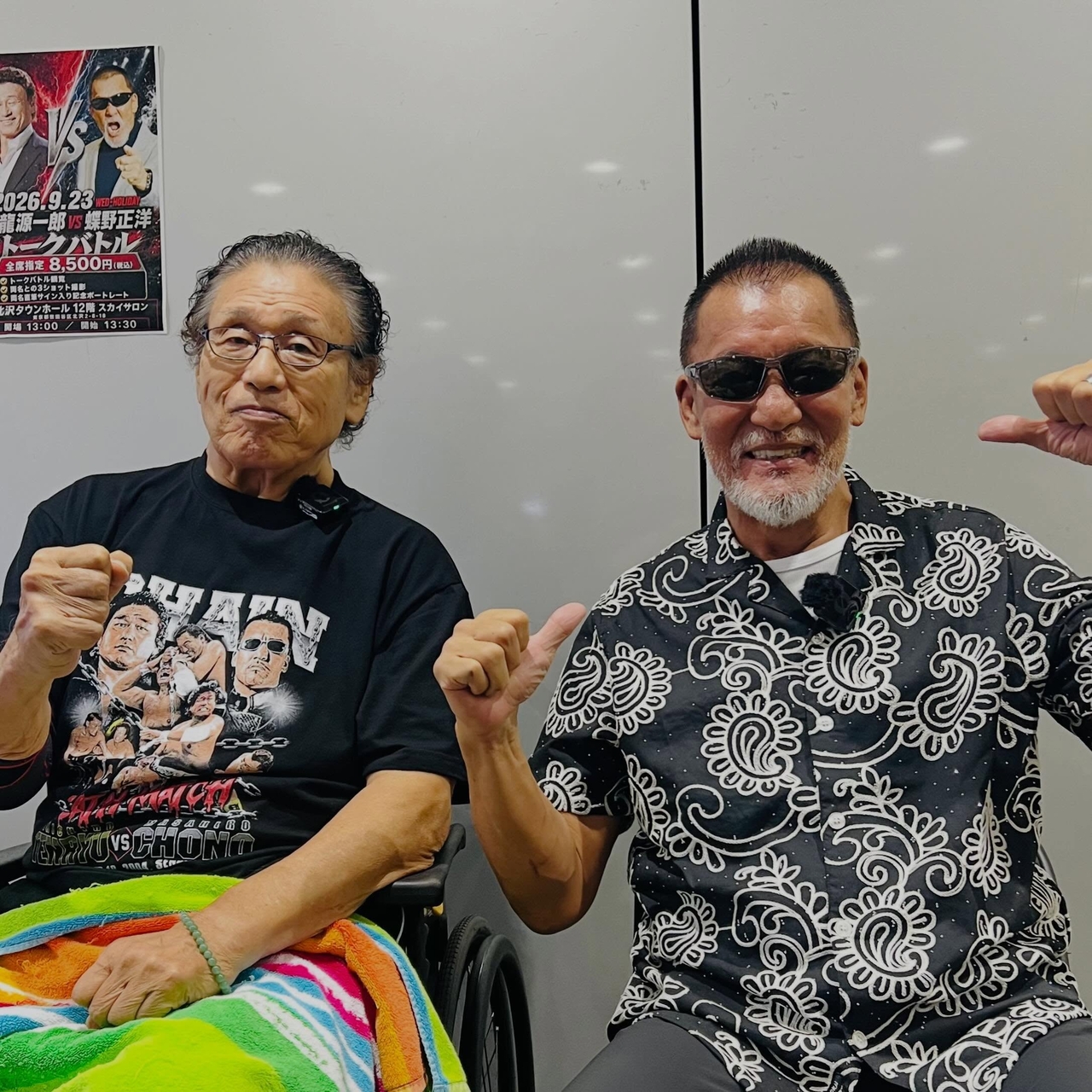
The big star who once commanded Japanese pro wrestling with a voice like grinding iron now meets fans from a wheelchair. It is a far cry from the relentless aggressor who battered opponents in the ring. At first, he wanted nothing to do with showing the world that version of himself. But another legend he had faced across the ropes gave him the courage to step back out.
Tenryu Genichiro, 76, a living legend of Japanese pro wrestling, looked back on his career and life after retirement as he marks the 50th anniversary of his debut. In a special interview published Sunday by Tokyo Sports, Tenryu credited his late sunbae Antonio Inoki as the reason he came to accept life in a wheelchair.
Tenryu admitted that when he first became dependent on a wheelchair, he did not want fans to see him that way. The idea of publicly showing himself — a man remembered as a powerful pro wrestler — needing help to move around did not sit well with him.
What changed his thinking was watching Inoki in his final years. Inoki battled a rare condition called systemic amyloidosis and never tried to hide how frail he had become. He kept in touch with fans even as photos of him in a wheelchair or bedridden circulated publicly. Until his death in October 2022, he never turned away from the reality of his situation.
Watching Inoki, Tenryu said, made him realize there was nothing shameful about letting people see him in a wheelchair.
The admission carries extra weight given the history between the two men. Tenryu came up through All Japan Pro Wrestling, the promotion that carried on Giant Baba's legacy, while Inoki founded New Japan Pro-Wrestling after succeeding Rikidozan — the two were standard-bearers of rival organizations.
Tenryu defeated Inoki by pinfall at the Tokyo Dome in January 1994, making him one of the rare wrestlers to have pinned both Giant Baba and Inoki. He knocked Inoki down in the ring, but years later it was Inoki who taught him one of the most important lessons of his life.
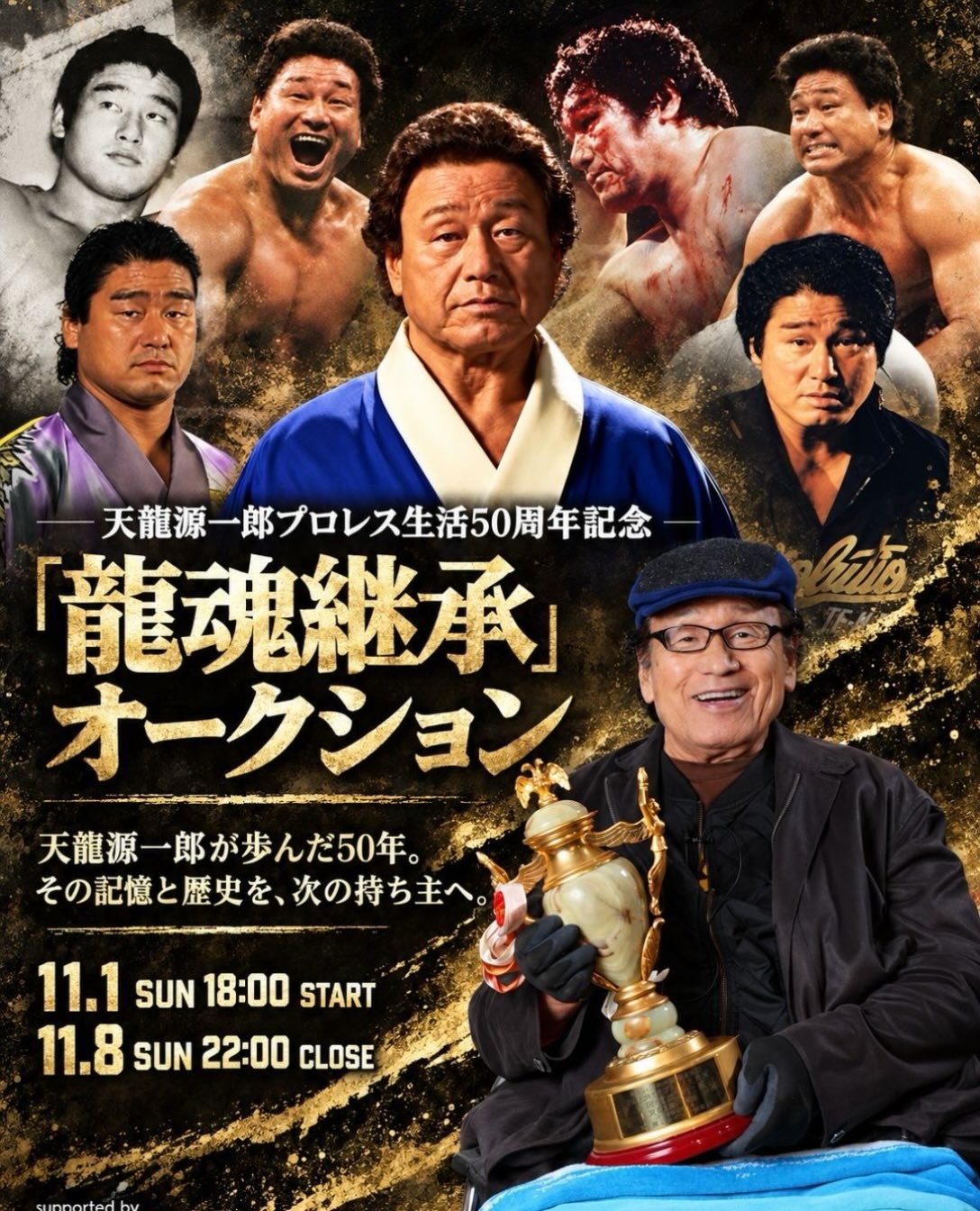
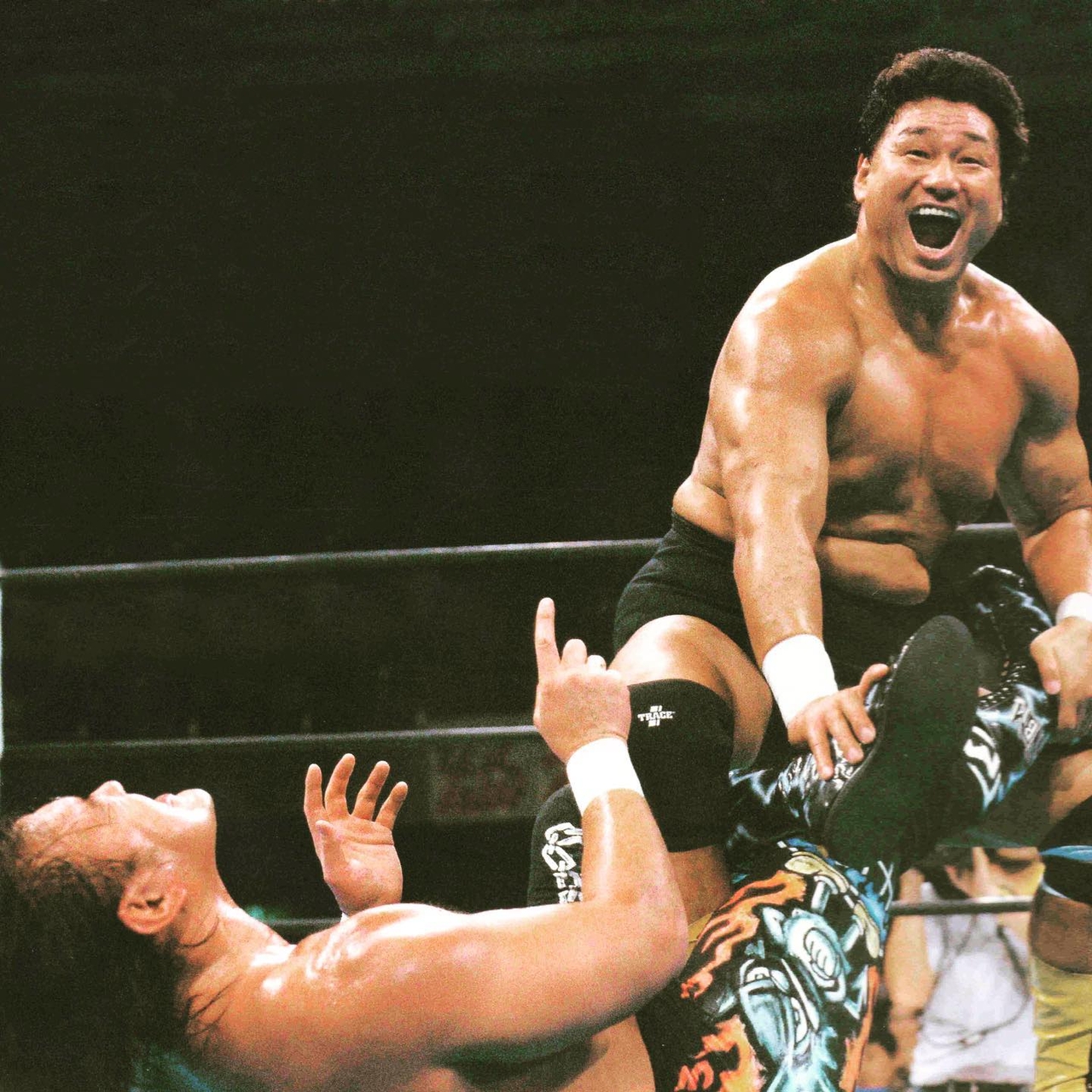
Born in 1950, Tenryu competed as a sumo wrestler before making his pro wrestling debut in Texas on Nov. 13, 1976. He went on to perform for All Japan Pro Wrestling and New Japan Pro-Wrestling, helping drive Japanese pro wrestling's golden era.
His fierce rivalry with Jumbo Tsuruta in particular remains one of the most celebrated series of matches in the sport's history. Reflecting on those bouts in the interview, Tenryu recalled pushing his body to what now seems like reckless extremes. Even confined to a wheelchair today, he has not lost his trademark rough humor — he quipped that since Tsuruta has already passed and he is still here, he supposes he won in the end.
Tenryu retired from active competition in November 2015 after a final match against Okada Kazuchika. He remained connected to the pro wrestling world afterward, but health problems proved unavoidable. In 2023 he was hospitalized for cervical instability, myelopathy and spinal stenosis, and has since been using a wheelchair while continuing rehabilitation.
His daughter Shimada Ayana, who heads Tenryu Project, wrote about her father's daily life in a post published in June last year. According to Ayana, Tenryu kept up daily rehabilitation and walking exercises even while living in a wheelchair. It has not been easy for the family, but she has come to see her father's current condition as simply another mark left by a lifetime devoted to pro wrestling.
Tenryu himself has no regrets about the path he chose. When Tokyo Sports asked whether he had ever wished he had not become a pro wrestler, he answered without hesitation: "Not once." He added that pro wrestling was what introduced him to the world, and he is grateful for it.
More than a decade after retiring, his interest in the sport has not faded. He expressed disappointment at what he sees as a growing tendency in recent matches to rely too heavily on crowd-pleasing moments and instant reactions. Instead, he said he values bouts where wrestlers hold an audience through fundamental technique and hard-fought exchanges alone.
He pointed to the G1 Climax final between Oiwa Ryohei and Uemura Yuya at New Japan Pro-Wrestling last August as a prime example — a match built around basic holds such as headlocks and joint locks that still drew a passionate crowd response, which he said made him genuinely happy to watch.
For Tenryu, pro wrestling is not a chapter that closed with retirement — it remains an ongoing part of his life. Celebrations marking his 50th anniversary are already underway. Tenryu Project will carry out a series of commemorative events over roughly eight months, from this month through June next year, including video productions, exhibitions and public conversations. The message the project has chosen to carry is: "A person can bloom again, any number of times."
The young man who first stepped into the ring 50 years ago now sits in a wheelchair and looks back on his own history. His body is no longer what it was, but his pride in pro wrestling has not changed.
Just as Inoki never hid himself in his final days, Tenryu is standing before his fans exactly as he is today. For him, the 50th anniversary is both a celebration of past glory and a stage for showing that life goes on long after the last bell.
yjc@heraldcorp.com