After US midterms, OpenAI moves to ease community concerns
Company to disclose power and water use, end nondisclosure agreements with officials
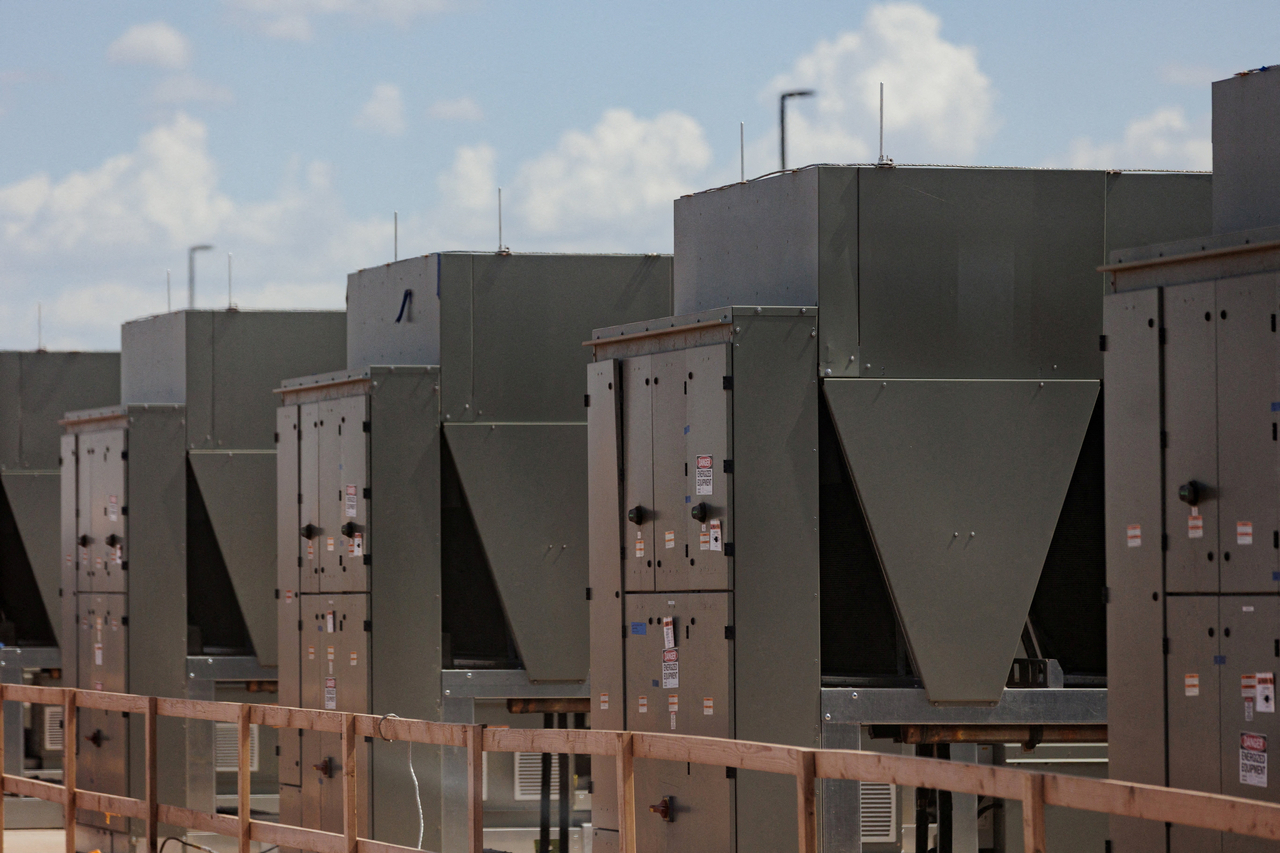
OpenAI has announced it will cover the cost of expanding power grids and publicly disclose electricity and water usage at its facilities, as community opposition to AI data center construction spreads across the United States. The move comes after candidates who campaigned on tighter data center regulations won a series of races in the recent US midterm elections, signaling a push by the ChatGPT maker to rebuild public trust.
According to The New York Times and other outlets, OpenAI unveiled a "National Community Compact" on Thursday (local time), pledging to pay in full for the electricity consumed at data centers it owns and operates, as well as the cost of building and upgrading the grid infrastructure needed to supply that power.
The pledge is a direct response to fears that surging electricity demand from large-scale data centers could drive up power bills for local residents.
OpenAI also said it would provide financial guarantees in advance to ensure that communities and other electricity consumers would not be left bearing grid expansion costs if a data center project is delayed, scaled back or canceled.
In addition, the company said it would disclose water and electricity consumption at each of its sites and end its practice of requiring public officials to sign nondisclosure agreements.
OpenAI had previously required local officials to sign such agreements barring them from sharing project details publicly, a practice that fueled allegations the company was trying to push through developments while avoiding public scrutiny.
OpenAI also said it would establish individual community agreements in each area where it builds data centers and publish annual public reports.
However, the commitments apply only to facilities that OpenAI directly owns and operates.
A significant portion of OpenAI's computing infrastructure is currently owned by partners such as Oracle, which limits the real-world scope of the pledges.
OpenAI went further, calling on the broader technology industry to adopt similar standards.
In a "policy blueprint" released alongside the compact, the company proposed that AI firms and other large power consumers be required to bear the additional costs generated during grid upgrades.
It also urged the government to disclose tax incentives granted to major technology companies and to claw back those benefits if firms fail to meet the conditions they committed to.
The proposals amount to a push to extend beyond OpenAI's own commitments and make cost-sharing and transparency obligations industry-wide requirements.
The announcements came shortly after the Democratic Party swept the US midterm elections on Tuesday.
The Democratic Party won gubernatorial races in Texas, Georgia and Ohio on the strength of candidates who pledged to impose temporary moratoriums on new data center permits and tighten construction regulations.
Ballot measures across the country aimed at restricting data center construction also drew broad voter support, adding to the pressure on the industry.
The New York Times noted that OpenAI, which has maintained close ties with President Donald Trump — who has largely dismissed community opposition to data center construction — now finds itself in an awkward position.
OpenAI CEO Sam Altman donated $1 million to Trump's inaugural committee, and OpenAI President Greg Brockman donated $25 million to a pro-Trump super PAC last year.
However, Brockman has since withdrawn an additional donation he had been expected to make this year.
mokiya@heraldcorp.com