60% of freight and delivery workers expect monthly income to fall by more than 1 million won
84% of those expecting income losses say they would take on a second job
87% of night-shift workers want to maintain or expand current hours
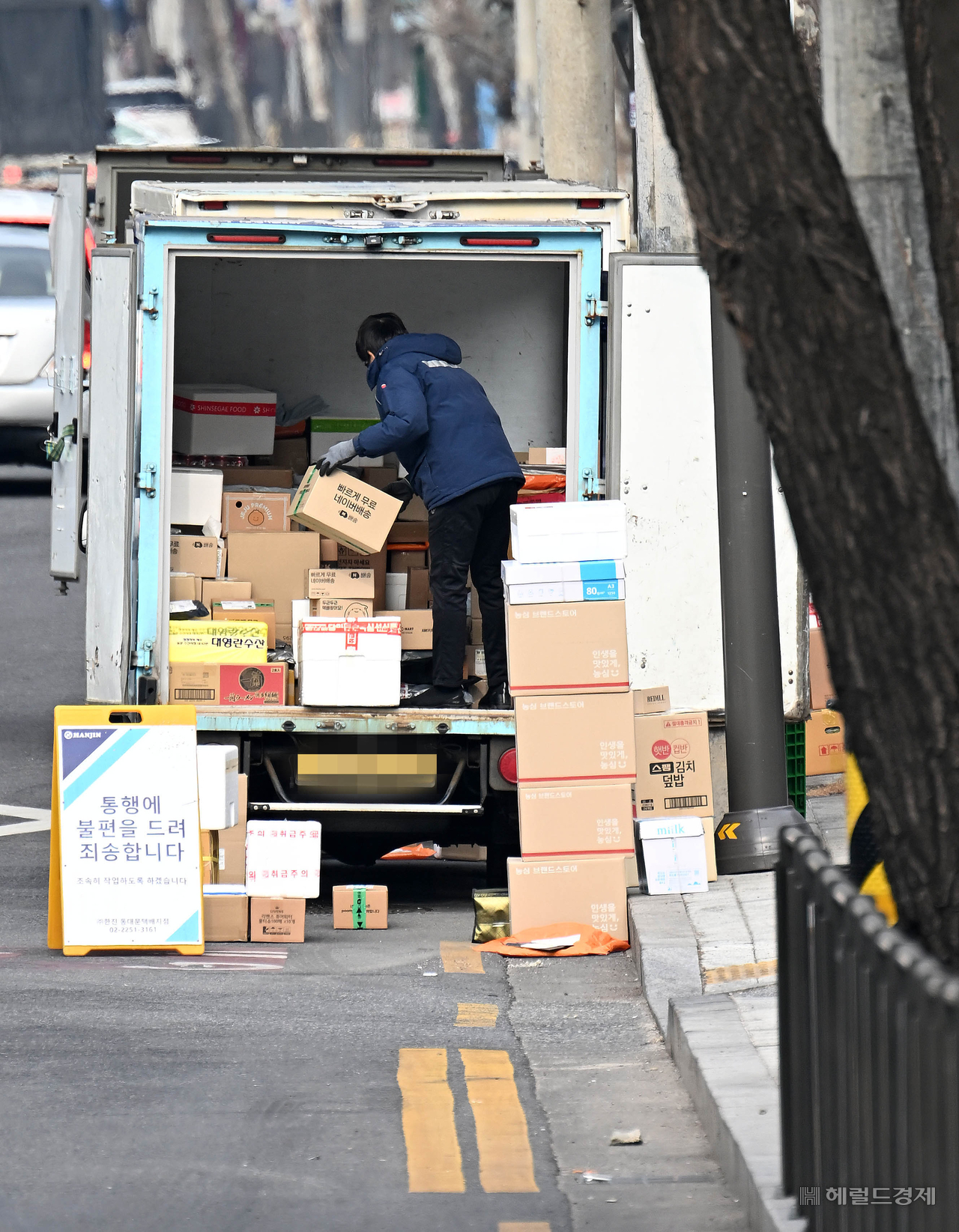
As the government and the National Assembly debate restrictions on night work, concerns are mounting on the ground that workers may end up logging more total hours — not fewer — as they take on extra jobs to make up for lost income.
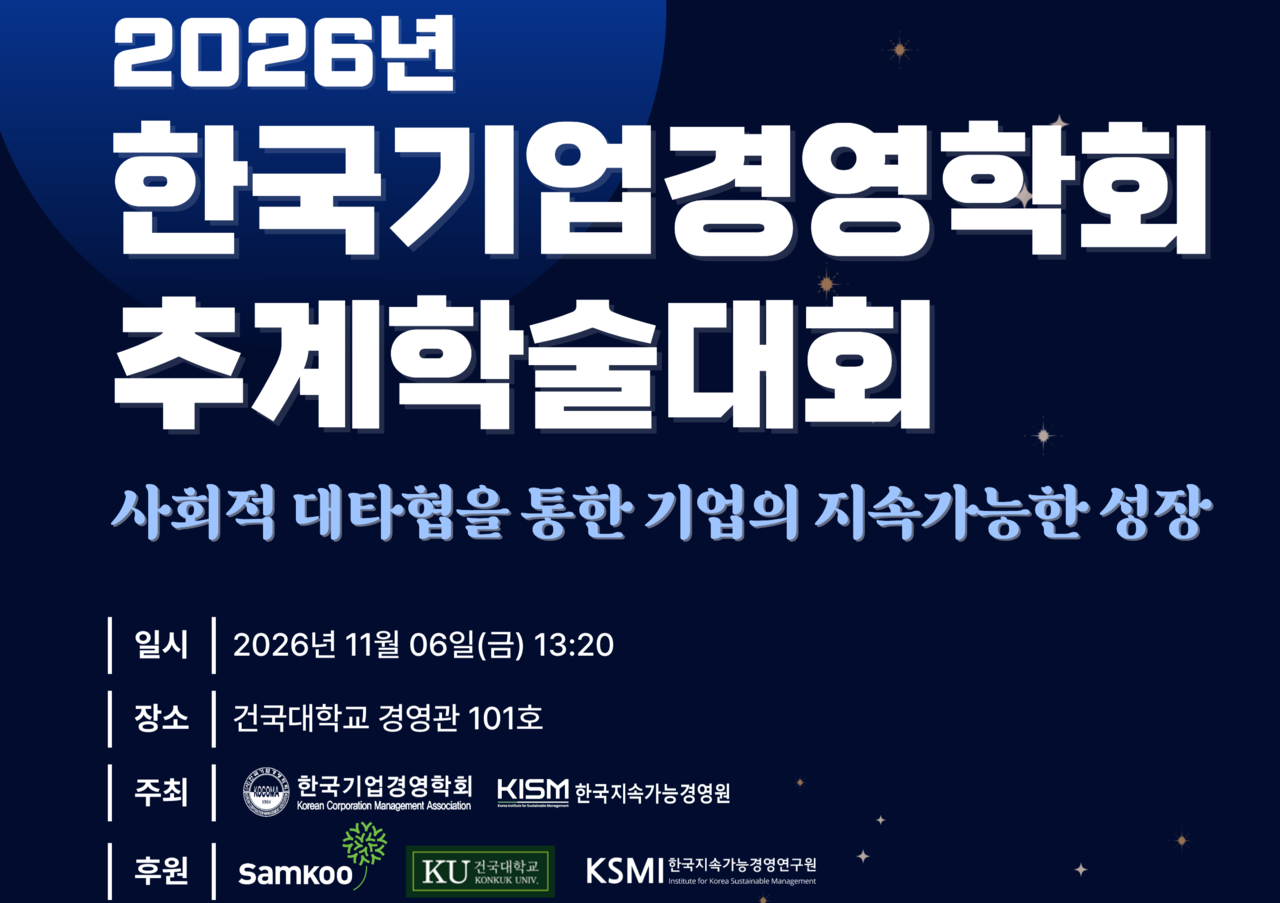
The Korean Academy of Business Administration presented those findings Friday at its 2026 autumn academic conference at Konkuk University in Seoul, releasing a study titled "A Comparison of Working Conditions by Occupation Among Service Providers and Night-Shift Workers, and Policy Recommendations."
The research, conducted in October, surveyed 940 night-shift workers across 10 industries, including retail and sales, manufacturing and production, freight transport and delivery, logistics centers, security and guard services, and accommodation and tourism.
The survey found that 94.4 percent of respondents said they had chosen night work voluntarily. Some 74.8 percent said they wanted to continue working the same number of night shifts, while 11.7 percent said they wanted to work more — meaning 86.5 percent of all respondents hoped to maintain or increase their current level of night work. Only 13.5 percent said they wanted to cut back.
Income was the top reason workers cited for choosing night shifts. The most common response was higher pay, at 48.8 percent, followed by covering living expenses or meeting income needs at 25.9 percent, and insufficient income from daytime work alone at 6.9 percent.
Among those who wanted to maintain their current number of shifts, 70.8 percent cited keeping their income as the reason. Of those who wanted to work more night shifts, 82.7 percent said they needed the additional earnings.
Those who wanted to reduce their night work, however, pointed to deteriorating health and accumulated fatigue as the main reasons — underscoring that while night shifts help workers secure income, they can take a toll on health and rest.
Concerns about income losses from night-work restrictions were most pronounced in the freight transport and delivery sector.
Some 59.8 percent of workers in that sector said they expected to lose more than 1 million won ($746) a month if restrictions were placed on the number of night shifts they could work — the highest share among all 10 industries surveyed.

Many workers also said they would seek additional work if their income fell. Among freight and delivery workers who expected to lose more than 1 million won a month, 84.3 percent said they would be willing to take on a second job or extra work. Across all night-shift workers surveyed, 76.4 percent said they would work more if their income declined.
The researchers said that even if night work were uniformly reduced, total working hours could actually increase if more people took on other jobs to make ends meet. They said the impact of income losses must be examined alongside any regulation.
The findings come as legislative debate continues over restricting the working hours of early-morning delivery workers. In August, a bill was introduced in the National Assembly that would cap the number of late-night shifts for delivery workers at 12 per month and guarantee a minimum 11-hour rest period after each shift ends.
However, some labor groups maintain that extended night work poses a serious health risk to workers and that meaningful limits on working hours are necessary. Finding a way to prevent overwork while protecting the income of night-shift workers remains a central point of contention.
Separately from the night-shift survey, the academy also conducted a study on social insurance and working conditions among 2,938 service providers across 17 occupations.
Among the 1,847 respondents who identified the work as their primary occupation, researchers compared 21 indicators — including income, working hours, rest, contract stability, workplace safety and social insurance coverage — and found that information and communications technology and software workers, golf caddies and delivery workers had relatively favorable working conditions.
Delivery workers posted the highest average monthly net income among all 17 occupations surveyed, at 4.33 million won. That was higher than ICT and software workers at 3.76 million won, construction machinery and equipment operators at 3.49 million won, and freight truck owners at 3.2 million won. Delivery workers also received relatively strong marks for income stability and contract stability.
Freight truck owners, home appliance delivery and installation workers, and school bus drivers, by contrast, were found to be relatively vulnerable in terms of income and job stability.
Demand for social insurance support also varied by occupation.
The share of workers enrolled in both employment insurance and industrial accident compensation insurance was relatively high — 81 percent for ICT and software workers and 78 percent for delivery workers. The proportion who said they felt a financial burden paying social insurance premiums was comparatively low, at 50 percent for direct sales workers and 51 percent for delivery workers.
The share of direct sales and delivery workers who identified social insurance premium support as their top policy priority was also modest, at 12 percent and 21 percent respectively. No occupation among the 17 surveyed ranked social insurance premium support as the single most needed policy.
The researchers recommended that social insurance premium support be concentrated on occupations with relatively low incomes and poor working conditions, rather than applied uniformly to all service providers. They also said the system should be reformed so that workers can actually access insurance benefits — not merely have their premiums reduced.
A bill currently before the National Assembly would allow the central government or local governments to subsidize employment and industrial accident insurance premiums for low-income service providers, as an amendment to the Employment and Industrial Accident Insurance Premium Collection Act.
Yun Dong-yeol, president of the Korean Academy of Business Administration and a professor in the business administration department at Konkuk University, said lawmakers should listen more carefully to those directly affected and proceed with caution during the legislative process.
Yun added that for most night-shift workers whose income is tied directly to the hours they work, time restrictions mean a pay cut. He called for proactive health management systems — including guaranteed rest and expanded health screenings — and said social insurance support should be carefully tailored around the most vulnerable occupations.
The conference was held under the theme "Sustainable Corporate Growth Through Social Grand Compromise." The keynote session addressed corporate employment flexibility, the construction of social safety nets, and the working conditions of service providers and night-shift workers. Academic presentations followed across fields including sustainable management, human resources and organizational studies, strategy and international management, finance and accounting, production and management information systems, and marketing.
kwater@heraldcorp.com