Business titans who move markets with a word, financiers who send share prices swinging, entrepreneurs reshaping the future, leaders redrawing the map of global affairs — The Visionary is The Herald Business international desk's series profiling the power leaders driving the world forward. We bring you their stories: what made them who they are, and the philosophy and vision behind it all.
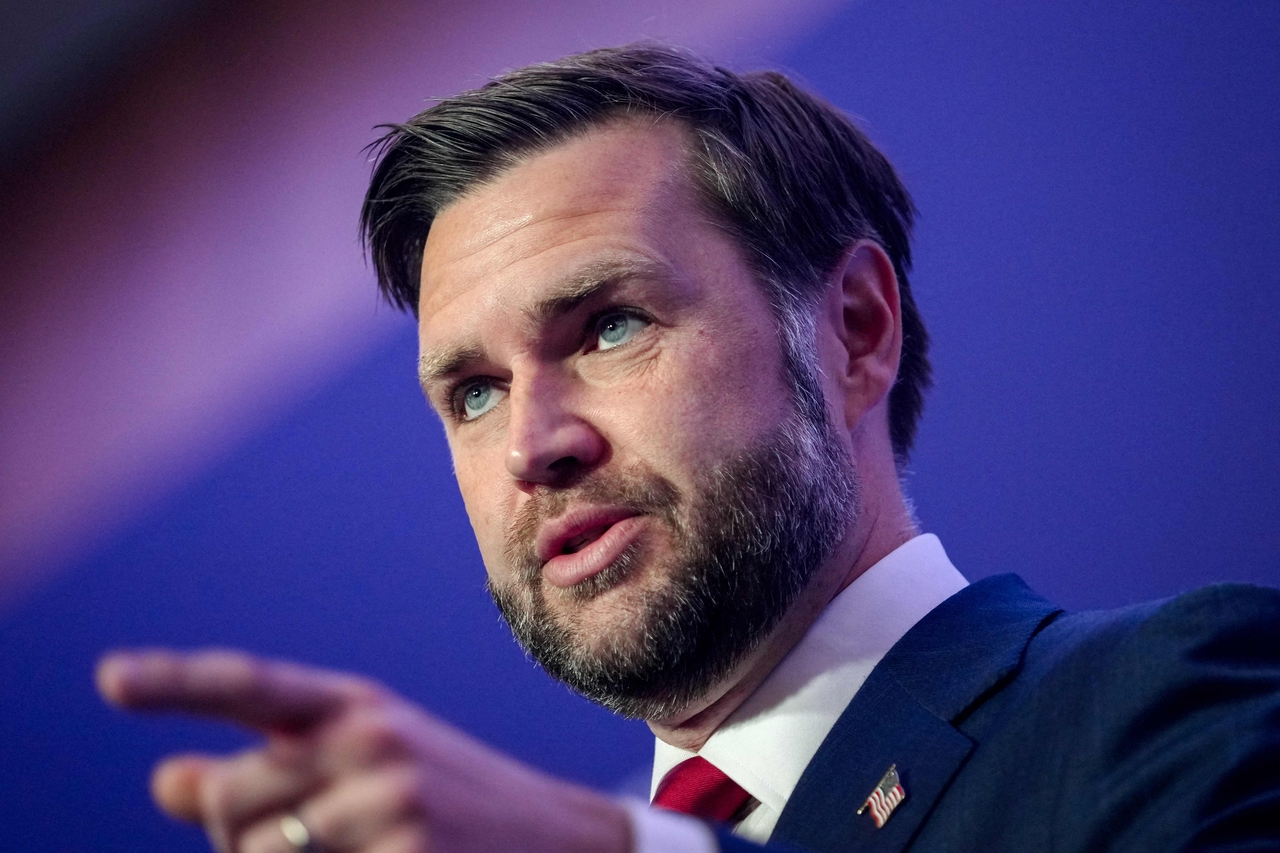
The midterm results are not yet final, but Washington's political class has already turned its gaze to the next race. Potential presidential contenders are quietly picking up the pace as the 2028 election draws into view.
As the opposition party, Democrats face a fully open field — one that can be rebuilt from scratch, with room for everyone from the party's self-described democratic-socialist left to its centrist wing. Republicans, by contrast, are left with a midterm drubbing on their hands and a harder question: whether to put distance between themselves and President Donald Trump, or keep him at the center of the party's identity.
Among Republicans, Vice President JD Vance is widely seen as the most likely contender. He commands strong support within the party and consistently tops polls of potential 2028 candidates. His biggest liability, however, is that he is the sitting vice president in the Trump administration — meaning he inherits Trump's political baggage wholesale. If the 2028 electoral landscape is defined by a backlash against Trump, Vance could end up as the weakest candidate in the field.
History offers little comfort on that front. Over the past 190 years, only one sitting vice president has gone on to win the presidency outright: George H.W. Bush.
Secretary of State Marco Rubio could emerge as an alternative, but he too served in the Trump administration's second term, leaving him equally exposed to any anti-Trump wave.
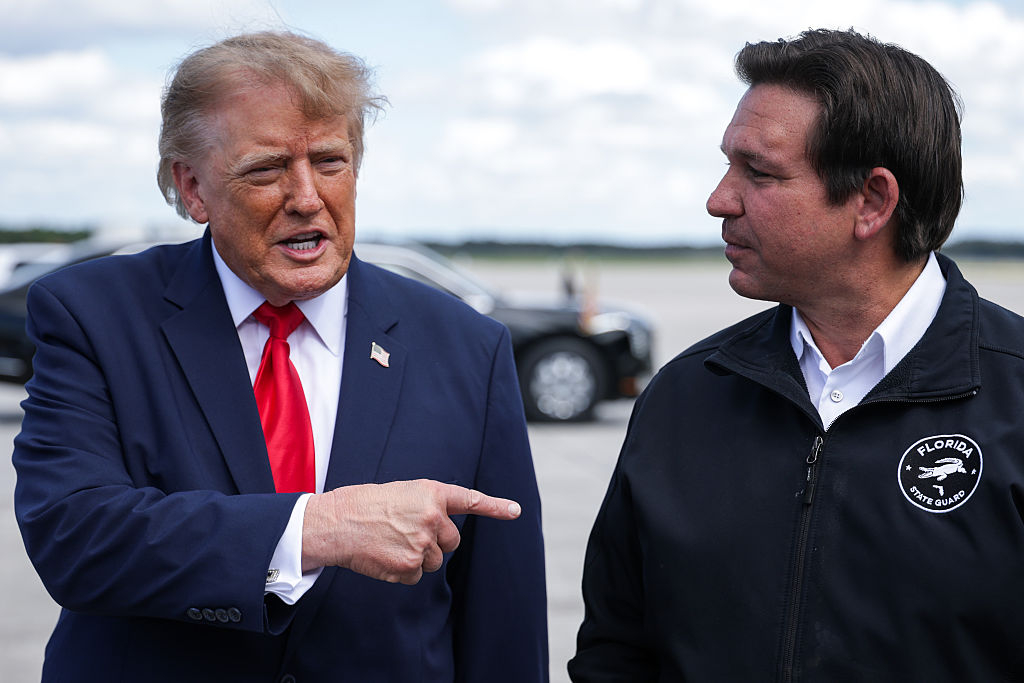
Some observers mention Donald Trump Jr., Florida Gov. Ron DeSantis and Texas Sen. Ted Cruz as possibilities. But with voters having shown strong anti-Trump sentiment in this election, the view is gaining ground that Trump Jr. would struggle to be a viable option. His business dealings — including ties to entities under US sanctions, such as Russia — would also make him a target for congressional investigations in a Democratic-controlled legislature. He is also widely seen as lacking his father's political charisma.
Both DeSantis and Cruz have been unable to translate regional popularity into a national following. DeSantis failed to overcome Trump in the 2024 Republican primary, and analysts say that same ceiling could reappear in 2028.
Cruz similarly lost to Trump in the 2016 primary and has not broadened his base nationally since, leaving him with weaker support within the party than Vance. His relative advantage, at least, is that he has kept some distance from Trump over the years.
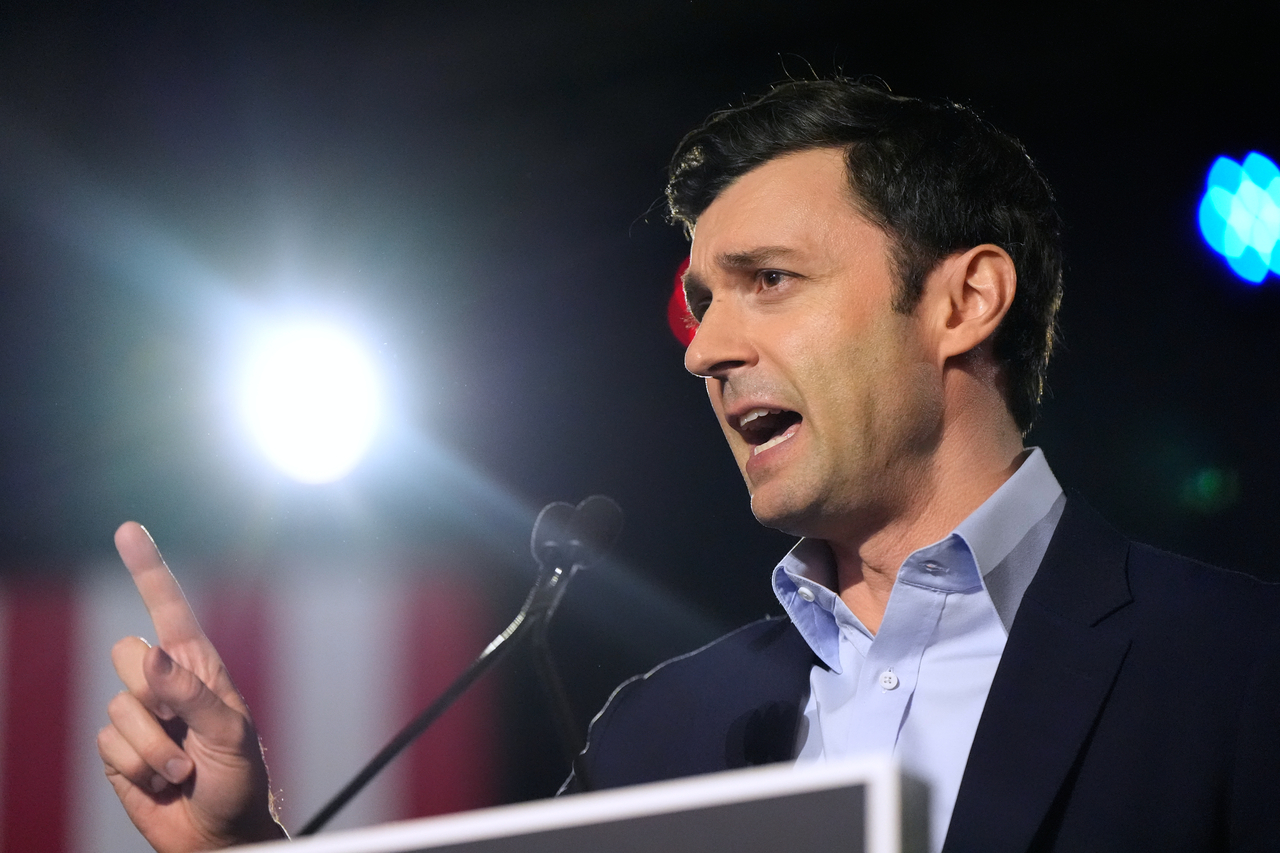
On the Democratic side, California Gov. Gavin Newsom, Georgia Sen. Jon Ossoff, former Vice President Kamala Harris and Pennsylvania Gov. Josh Shapiro are among the names being floated.
Newsom and Ossoff have both sharpened their profiles by taking clear, public stands against Trump — online and on social media — building name recognition as credible Trump foils. Their approaches to a presidential run, however, differ.
Newsom has made little secret of his presidential ambitions. He has worked to raise his international profile, including attending the UN climate summit that the Trump administration refused to join last year. Having completed the maximum three terms as California governor — this year marking the end of his final term under state law — he is now free to focus on a presidential campaign.
His weaknesses include a reputation for inconsistency on issues such as taxing billionaires and data center regulation, and a perceived distance from the party mainstream. He also carries the "coastal progressive" image that dogged Harris in the 2024 race — a label applied to affluent, highly educated professionals on the East and West Coasts who are seen as out of touch with working-class and rural Americans, a perception he would need to overcome to build a truly national coalition.
Ossoff boosted his standing with a comfortable reelection win in Georgia's Senate race. He has said he does not intend to enter the 2028 primary, yet prediction markets are betting on him more heavily than on any other Democratic candidate.
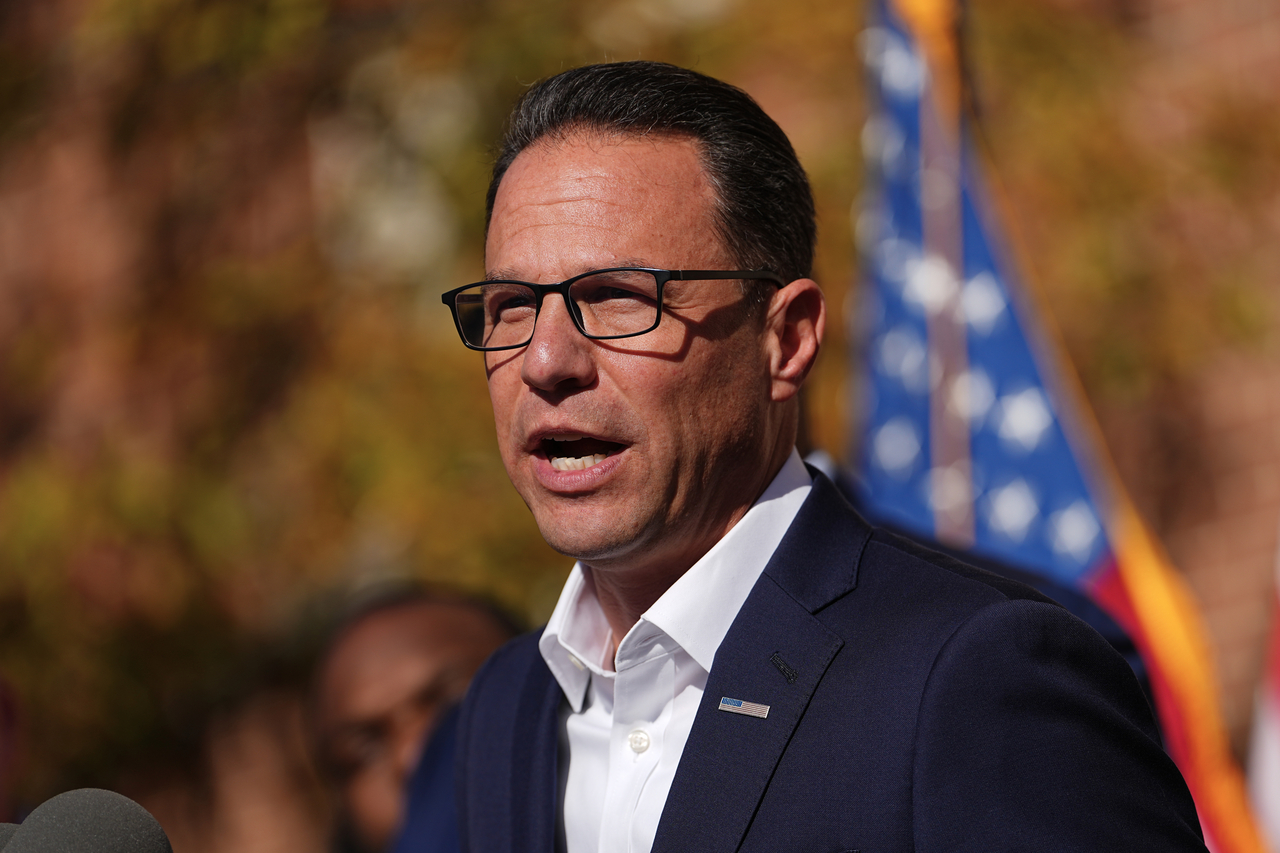
Pennsylvania Gov. Josh Shapiro also drew national attention after winning reelection. He is regarded as the most popular Democratic governor in the country and represents the party's moderate, centrist wing — though his positions on regulation and a foreign policy seen as pro-Israel put him on a collision course with the progressive base.
While most governors struggle to project political influence beyond their own states, Harris brings nationwide name recognition and considerable intraparty support. The lingering question of who bears responsibility for the 2024 presidential defeat, however, could continue to weigh on any future campaign.
On the left, New York Rep. Alexandria Ocasio-Cortez has her backers. A star of the progressive wing since her 2018 House victory, she has cemented her place as the leading voice of the left in the mold of Sen. Bernie Sanders — which also makes it harder for her to expand toward the center. Some analysts suggest she may have her eye on a New York Senate seat rather than the presidency.
Also in the mix are Rahm Emanuel, who served as White House chief of staff under the Barack Obama administration, and Pete Buttigieg, who was transportation secretary under the Joe Biden administration. Both were active on the campaign trail during the midterms, laying the groundwork for a 2028 run.
kate01@heraldcorp.com