A professor at Severance Hospital was stabbed in an outpatient clinic
Protections for medical staff were strengthened after the 2018 killing of Prof. Lim Se-won
But emergency alarms and security personnel could not prevent the sudden attack
Medical community says clinic safety has improved but prevention has its limits
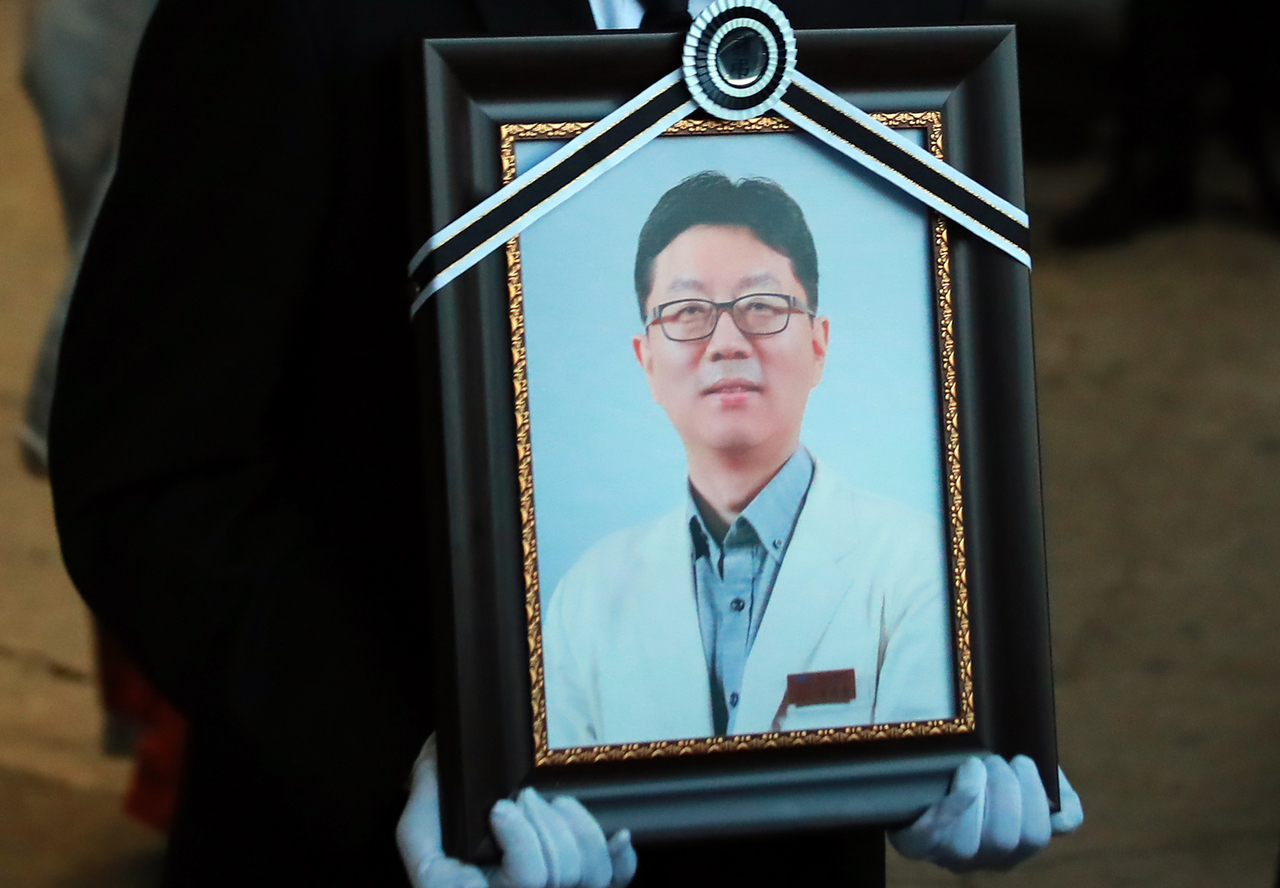
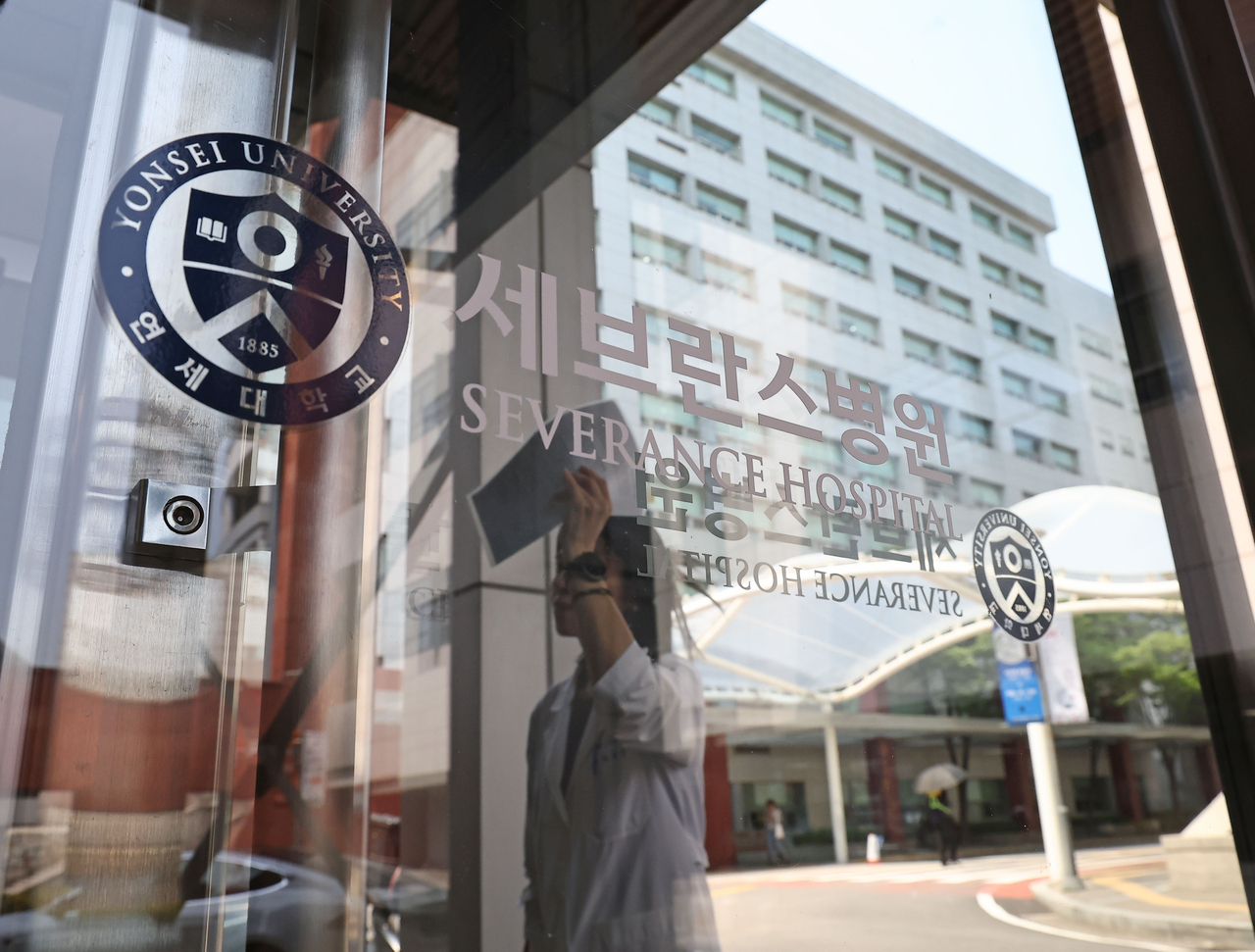
A psychiatrist has been stabbed by a patient at a major Seoul hospital, in the latest attack to expose the limits of security measures put in place to protect medical workers. Professor Kang, a psychiatrist at Sinchon Severance Hospital in Seoul, was seriously wounded Wednesday afternoon when a patient in their 50s pulled a weapon from a shopping bag and attacked during a consultation in an outpatient clinic on the fifth floor. The hospital and investigators are looking into whether an emergency alarm installed at the clinic was activated during the attack.
The assault has renewed calls to close gaps in the so-called Lim Se-won Act, legislation introduced after psychiatry professor Lim Se-won was fatally stabbed by a patient at Gangbuk Samsung Hospital in December 2018. Despite the law's tougher penalties and new safety requirements, knife attacks inside medical facilities have continued, and advocates say more needs to be done to improve physical safety in clinical spaces.
The Seoul Seodaemun Police Station said Thursday it plans to apply to the Seoul Western District Prosecutors' Office for an arrest warrant against the suspect, identified only as A, on charges of attempted murder.
Police initially arrested A at the scene on charges of aggravated assault but later upgraded the charge to attempted murder after determining there was intent to kill.
A is accused of attacking Prof. Kang with a weapon at around 4:35 p.m. Wednesday in the outpatient clinic. The suspect had received treatment at Severance Hospital twice before, in 2013 and 2017, but had no appointment scheduled at the time of the attack, according to investigators.
During police questioning, A made incoherent statements, including a claim of being angry because Severance Hospital doctors had conspired with other hospitals to prevent the suspect from receiving care elsewhere, according to investigators.
A entered the consultation room without warning and produced a weapon concealed in a shopping bag before attacking Prof. Kang. Hospital staff subdued the suspect immediately after the attack, and police who responded to the emergency call arrested A at the scene at around 4:42 p.m.
Prof. Kang sustained a laceration approximately 5 centimeters long and was transferred to the emergency room for treatment. The injuries are not life-threatening.
Prof. Lim Se-won of Gangbuk Samsung Hospital's psychiatry department was stabbed to death by a patient during a consultation on Dec. 31, 2018. In response, the government introduced the Lim Se-won Act — an amendment to the Medical Service Act — in April 2019, imposing a prison term of up to seven years or a fine of up to 10 million won ($7,460) for causing bodily harm to a medical worker.
The landscape of outpatient clinics changed after Lim's death. Hospitals reinforced safety measures, including installing rear-exit escape routes so doctors could flee if a patient turned violent.
Under current enforcement regulations of the Medical Service Act, hospitals with 100 or more beds, psychiatric hospitals and general hospitals are required to station at least one dedicated security officer and install emergency alarm systems capable of alerting the local police station. Yet attacks on medical staff have not stopped.
In August 2020, a doctor died after being stabbed by a patient at a psychiatric clinic in Busan. In June 2022, an emergency medicine physician at a general hospital in Yongin, Gyeonggi Province, suffered serious injuries after being stabbed in the back of the neck by a patient's family member.
Medical workers 'defenseless against violence'
The medical community says healthcare workers remain defenseless against violence on the job and has called for harsher penalties for assaults targeting medical staff.
A survey published in May by the Korean Health and Medical Workers' Union found that 58 percent of the 45,062 respondents reported experiencing verbal or physical violence while on duty.
Koo Ja-hyun, vice director of Lucas Hospital in Bucheon, Gyeonggi Province, said that while every hospital employs its own security personnel, there are limits to what they can do to prevent sudden attacks inside consultation rooms. "We need to consider more effective measures — such as installing security screening checkpoints like those used in courthouses — to protect patients, medical staff and employees," Koo said.
Kwon Jun-soo, a psychiatry professor at Seoul National University, acknowledged that safety in medical settings has improved significantly since Lim's death, but said sudden incidents can always occur. "There are limits to having a single security officer cover an entire outpatient clinic, and situations arise where emergency alarms and security personnel become effectively useless," Kwon said.
Kwon added that during a patient interview in a hospital ward, he was once attacked with a ballpoint pen and sustained an 8-centimeter laceration on his forehead. "For the safety of patients, medical staff and employees, assaults on medical workers must be punished more severely," he said.
The suspect who killed Prof. Lim in 2018 was sentenced to 25 years in prison. Prosecutors had sought a life sentence, but the court of first instance handed down 25 years, citing the defendant's mental illness as a primary factor in the crime, and also ordered 20 years of treatment custody and electronic monitoring. Both the appeals court and the Supreme Court upheld the ruling.
kido@heraldcorp.com