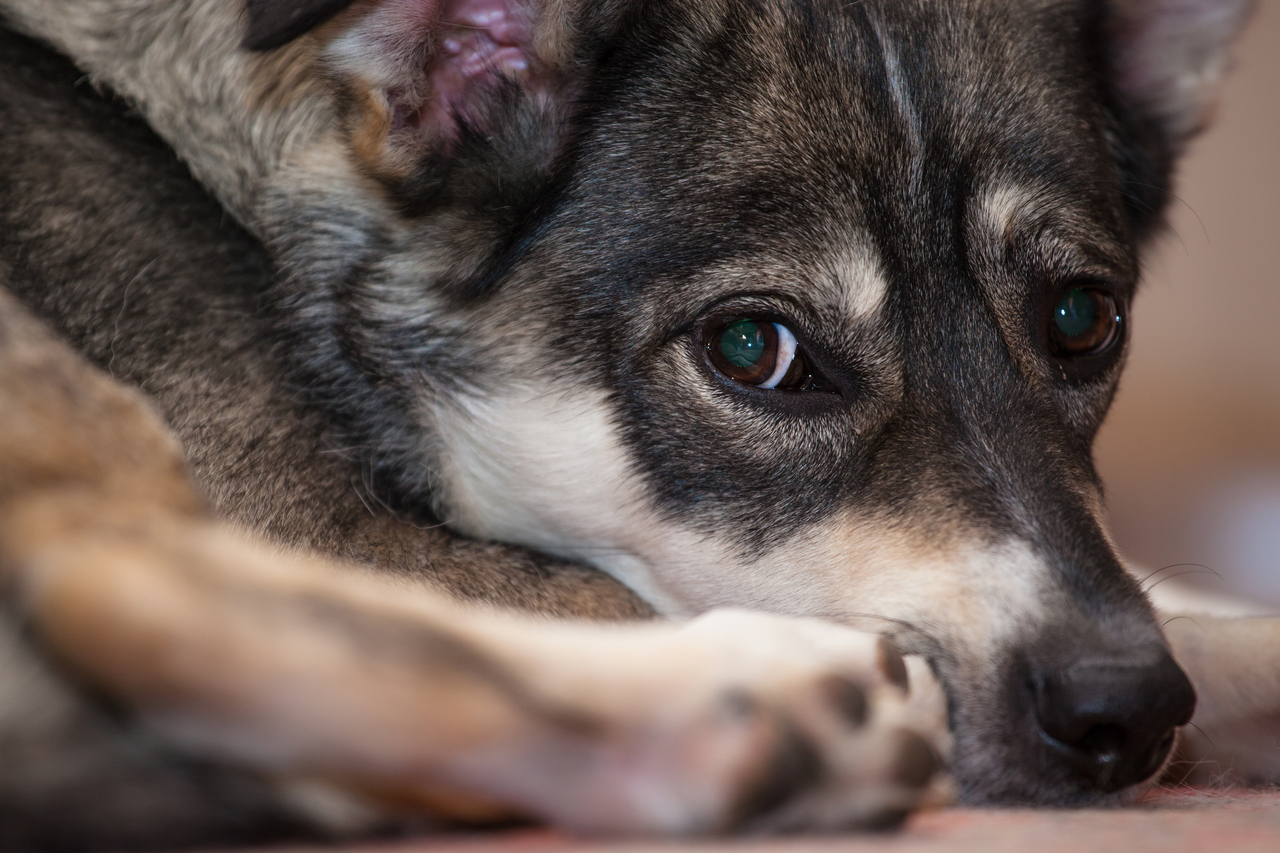
Three men in their 20s who spent 37 minutes firing BB pellets at tied-up pet dogs — blinding one of the animals — have been sentenced to prison. Yet no legal mechanism currently exists to stop them from owning or adopting pets again.
South Korea's Animal Protection Act punishes acts of abuse but does not bar convicted abusers from keeping or acquiring animals afterward. A "prohibition on animal keeping" provision — allowing courts to ban animal abusers from owning animals for up to five years — passed the National Assembly last month, but it does not take effect until Oct. 28 next year.
According to legal sources Thursday, Judge Kim Eun-su of the Busan District Court's Eastern Branch Criminal Division sentenced three men in their 20s to eight months in prison each on charges including aggravated destruction of property, stemming from an incident on Tuesday. The court did not order their immediate detention in order to give them time to reach a settlement with the victim. Prosecutors had sought two years in prison for one of the defendants and one year and six months each for the other two.
The three entered the yard of a restaurant in Ilun-myeon, Geoje, South Gyeongsang Province, at around 1 a.m. on June 8 last year and fired illegally modified BB pistols at the tied-up dogs for about 37 minutes.
Two of the three were active-duty Marines at the time of the attack. Closed-circuit television footage captured them continuing to fire even after the dogs retreated into their kennels. Video the men recorded themselves contained audio of voices saying, "Shoot the forehead, the forehead," and "You're dead today."
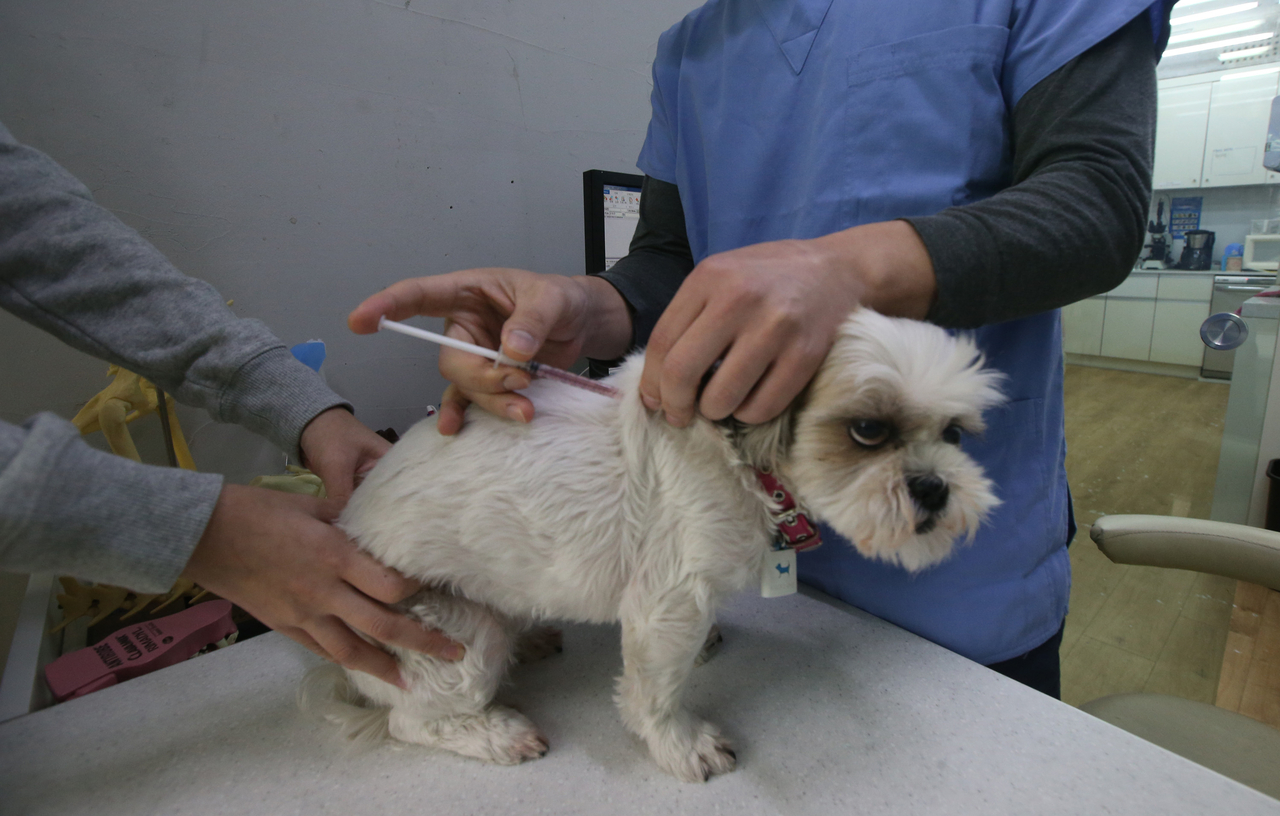
One of the dogs, Maehwa, sustained injuries across its entire body and had one eye surgically removed. Another, Kkae, suffered broken teeth and nerve damage; it underwent treatment but died May 19. A third dog, Somsom, was taken to a veterinary hospital covered in bruises and died the following day.
The court ruled that the defendants "entered the victim's residence, fired BB guns at the pet dogs multiple times, inflicting injury and pain while at the same time destroying property," and found that "the nature of the crime is grave in light of the means, methods and circumstances of the offense."
The court added that it "could find no evidence that the defendants made any substantive effort toward restitution."
The owner of the dogs said the perpetrators never offered a "genuine apology." The owner said no settlement would be reached going forward. An animal protection group and the Marine Corps Veterans Association each submitted petitions to the court calling for severe punishment, gathering 120,000 and 100,000 signatures respectively.
The Marine Corps Veterans Association said it "urges the harshest punishment for two active-duty Marines and one civilian who have failed to demonstrate the basic virtues expected of a person."

Animal-keeping ban for abusers takes effect next October — too late for this case
An amendment to the Animal Protection Act barring convicted abusers from keeping animals passed the National Assembly floor vote on Oct. 1, with all 229 members present voting in favor. The Ministry of Agriculture, Food and Rural Affairs promulgated the amendment on Oct. 27, with an effective date of Oct. 28, 2027.
Once the revised law takes effect, courts will be able to prohibit individuals convicted of animal abuse from owning, managing or caring for animals for a period of between one and five years, provided a risk of reoffending is recognized.
During the prohibition period, the offender will be subject to probationary supervision, and violations will be punishable by up to one year in prison or a fine of up to 10 million won ($7,460). Local governments will be able to take ownership of animals kept by convicted abusers.
Those with a history of abuse will also be barred for a set period from receiving or adopting animals from local authorities. Authorities will not be required to return animals under their protection to an owner indicted on abuse charges until a final verdict is reached.
However, the defendants in the Geoje case were sentenced before the new provisions take effect and are therefore not subject to the animal-keeping ban. Once they have served their sentences, there is no legal basis to prevent them from owning or purchasing pets again.
UK imposes lifetime bans with no time limit
Britain has long had measures in place to prevent convicted animal abusers from keeping animals. Under Section 34 of the Animal Welfare Act 2006, courts may prohibit anyone convicted of animal abuse or neglect from owning or keeping animals.
Courts can also bar offenders from buying, selling or transporting animals, and may specify whether the prohibition applies to all animals or only to particular species.
There is no upper limit on the duration of the ban. Sentencing Council guidelines require courts to determine the length of the prohibition by weighing the circumstances of the offense, the defendant's future capacity to care for animals, and the degree of understanding of animal welfare demonstrated.
Where a court finds that an offender has little or no understanding of animal welfare, a lifetime ban may be imposed. Breaching the order is itself a criminal offense, carrying a maximum of six months' imprisonment or an unlimited fine.
If a court decides not to impose a keeping ban, it must state its reasons in open court. The system is structured so that imposing a ban is the default, and judges must explain themselves when they choose not to.
South Korea's new provision caps the ban at five years. The Ministry of Agriculture, Food and Rural Affairs said it plans to prepare subordinate regulations to ensure the system operates effectively in practice.
dbsdn1110@heraldcorp.com