
Record $446 million in campaign spending
Only 3 of 44 America PAC-backed races won
Texas Democratic wins raise fears for AI projects
Democrats to pursue government contract, DOGE hearings
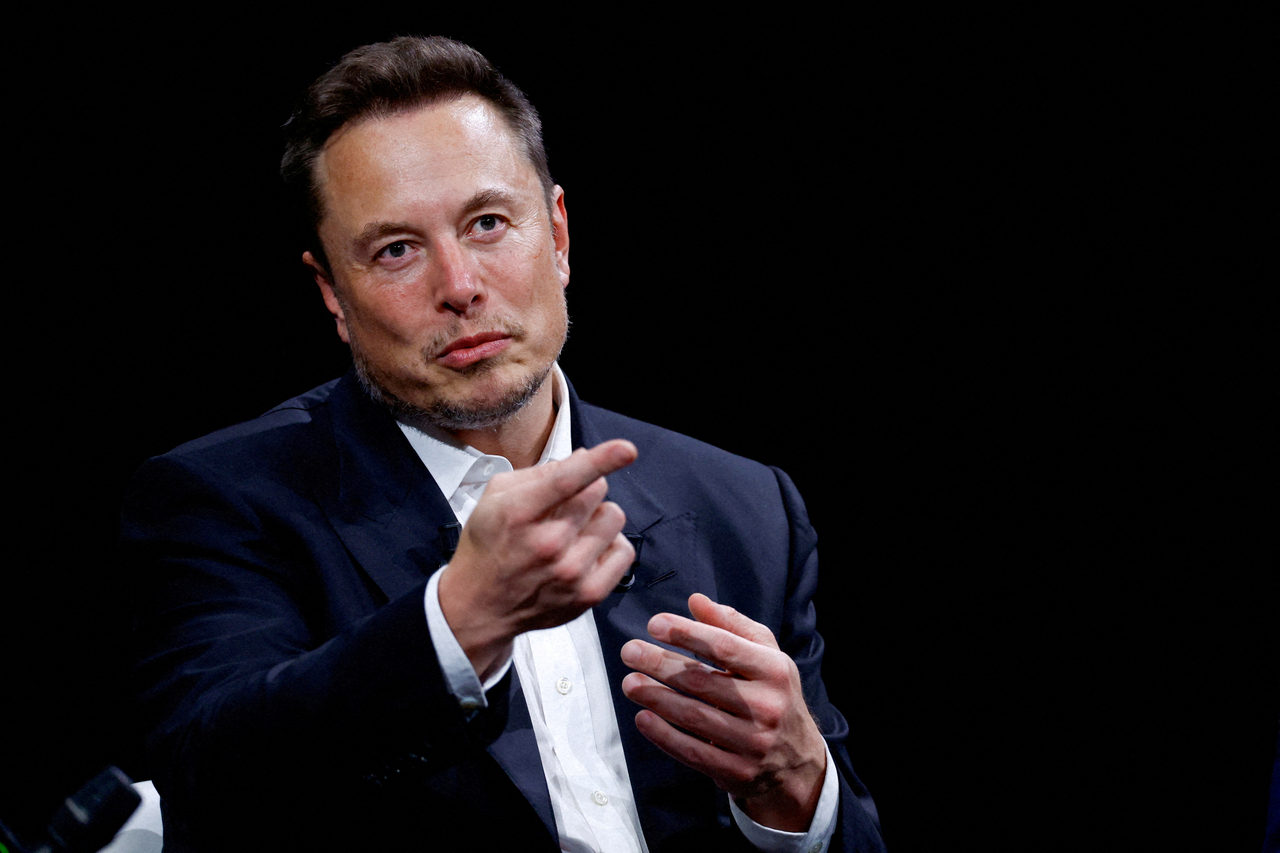
Elon Musk, CEO of Tesla and SpaceX, has emerged as the biggest loser of the US midterm elections after Republicans suffered a sweeping defeat. Musk poured roughly $446 million into backing Republican candidates but failed to deliver the results he sought — most painfully in Texas, where Democrats claimed victory. With Democrats now controlling Congress, calls are growing for hearings into Musk's government contracts and business activities.
Musk spent a total of $446 million on the midterms, according to Politico and CNBC on Wednesday (local time). It is the largest amount ever spent on a single election cycle by an individual who was not on the ballot.
Despite the massive outlay, Republican candidates fell in one competitive district after another. Of the 44 federal races where Musk's own super PAC, America PAC, spent $87 million, only three ended in confirmed victories.
Defeats were confirmed in 29 districts, while results in the remaining 12 were still being counted. The scorecard for candidates Musk backed fell well short of expectations.
The loss in Texas, where Musk invested the most, was seen as particularly painful. He directed $200 million — close to half his total campaign spending — into the Texas Senate race alone.
Texas is home to SpaceX's headquarters and had not sent a Democratic senator to Washington since 1988, making it long-standing Republican territory. The state also serves as a key operational base for Musk's major companies, adding to the stakes.
Democratic candidate James Talarico defeated Republican Ken Paxton to clinch the Senate seat, leaving Musk's enormous financial investment without a return.
Republican Gov. Greg Abbott of Texas, whom Musk had actively supported, also lost to Democratic candidate Gina Hinojosa. Democrats swept both the Senate seat and the governorship in the state.
After the results came in, Musk posted a self-deprecating message on his social media platform X, formerly Twitter: "Looks like my election-interference space laser didn't work this time."
Analysts say the outcome could weigh on more than just Musk's political standing — it may also create headwinds for his businesses.
With Democrats now set to lead the Texas state government, concerns have emerged that key projects — including the construction of AI data centers — could face new constraints in the state that anchors SpaceX and Tesla's core operations.
Musk's AI ventures depend heavily on large-scale data center construction and securing reliable power supplies, making them sensitive to state-level environmental permits and tax incentives. Analysts say a shift in Texas's political landscape, long known for its business-friendly policies, could reshape the operating environment for his companies.
Governor-elect Hinojosa had said during the campaign that she would "take power back from those who have been very comfortable running Texas." The pledge has fueled expectations that the state government's stance toward large corporations could change.
Senator-elect Talarico also used his victory speech to call for reducing the influence of big money in politics.
"We need to get 'big money' out of politics so that no billionaire or trillionaire can buy an election," he said. "We need to dismantle a rigged economic system that has only benefited the top 1 percent."
Talarico did not name Musk directly, but the remarks were widely interpreted as aimed at him — the only person in the world commonly described as a trillionaire.
Hunterbrook Media, a hedge fund-linked outlet, said Texas had been set to become "an AI oasis where data centers could be built no matter what, even as anti-data center sentiment ran high across the country — but this election changed that."
The night before the election, Musk had posted on X: "Building a data center in space is looking pretty good for the time being."
With Democrats taking control of both chambers of Congress, the prospect of a legislative investigation targeting Musk has also grown.
Sen. Richard Blumenthal, who leads his party's side on the Senate Permanent Subcommittee on Investigations, had said earlier that if Democrats won the midterms, he would launch a probe into Musk and the activities of the Department of Government Efficiency (DOGE).
Democratic lawmakers have long called for greater congressional oversight of Musk, and future hearings are expected to focus on issues including restrictions on Ukrainian military internet access, federal contracts worth billions of dollars, and clean energy subsidies.
Share prices of Musk's companies reacted sharply to the results. In premarket trading, SpaceX shares fell 3.6 percent and Tesla shares fell 3.5 percent.
Having lost key battleground races despite record spending, and now facing the prospect of heightened congressional scrutiny over his businesses under a Democratic-controlled Congress, Musk's political and corporate burdens look set to grow.
sjy@heraldcorp.com




