
AI, semiconductor stocks hit by profit-taking as Wall Street turns mixed
Nvidia falls 5.9%, Micron tumbles 11%
Trump tariff threat reignites inflation fears
Oil rebounds more than 2% on Strait of Hormuz tensions
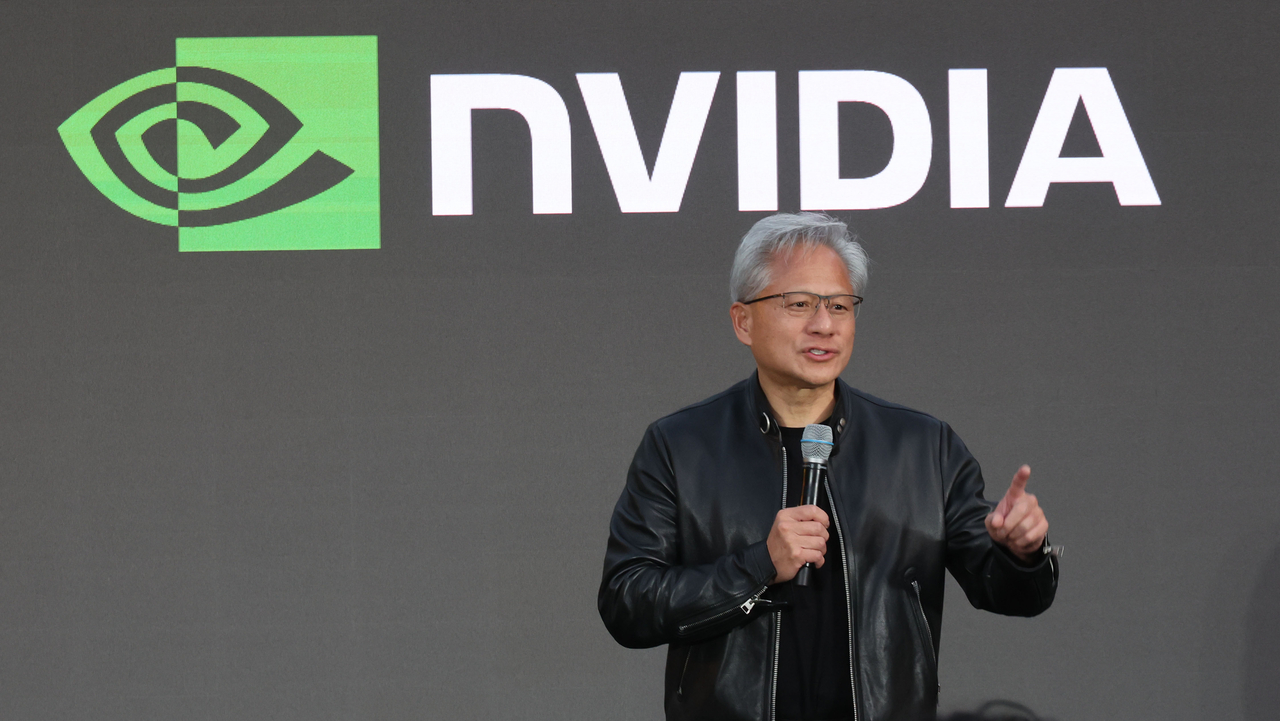
Wall Street's euphoric reaction to Nvidia CEO Jensen Huang's return gave way to a pullback Wednesday, as profit-taking swept through AI-related technology stocks and the Trump administration's threat of additional tariffs weighed on sentiment. Anthropic, which set a record as the largest-ever AI initial public offering, fell below its IPO price for the first time in just four trading sessions.
The Dow Jones Industrial Average bucked the trend, closing up 423.39 points, or 0.85 percent, at 50,018.70.
The S&P 500 fell 36.08 points, or 0.50 percent, to 7,201.09, while the tech-heavy NASDAQ Composite dropped 356.02 points, or 1.48 percent, to 23,733.54.
AI-related stocks that had surged in unison Tuesday on news of Huang's return lost their momentum the very next session.
Nvidia, which had surged 31.5 percent Tuesday, fell 5.86 percent Wednesday. Other major semiconductor stocks followed suit — AMD dropped 8.86 percent, Micron fell 11.01 percent and SK hynix American depositary receipts slid 9.9 percent. The Philadelphia Semiconductor Index plunged 7.88 percent.
Analysts said Huang's return had temporarily lifted investor sentiment toward the AI sector but did little to resolve deeper questions about the enormous infrastructure costs involved and the industry's long-term profitability. The sharp swings in AI-related stocks tied to Huang's movements have also amplified broader market volatility.
"After one of the biggest rallies in months, some profit-taking is to be expected," said Gene Goldman, chief investment officer at Cetera Financial Group. "Ultimately, one piece of news is not going to answer investors' questions about AI investment."
Anthropic's share price — closely watched as a barometer of AI investment enthusiasm — also slipped below its offering price. The stock closed down 6.54 percent at $81.91, falling below its IPO price of $83 for the first time since its listing.
The Trump administration's renewed push on tariffs added another layer of pressure on markets.
The Office of the United States Trade Representative was expected to release as early as Wednesday the results of its "overcapacity tariff" investigation targeting 16 trading partners, including South Korea, China, Japan and the EU.
With existing Trump administration tariffs already pushing up consumer goods prices in the United States, any additional levies could intensify inflationary pressure. The prospect of a prolonged Federal Reserve rate-hiking cycle also weighed on investors.
Market attention is now turning to the personal consumption expenditures price index, due out Thursday. The PCE index, the Fed's preferred inflation gauge, is expected to shape expectations for the future path of monetary policy.
Oil prices rebounded Wednesday after a one-day decline, as military tensions around the Strait of Hormuz flared again.
On the New York Mercantile Exchange, West Texas Intermediate crude futures for January delivery settled up $1.88, or 2.35 percent, at $82.05 per barrel.
Brent crude futures for January delivery on the ICE Futures Exchange rose $2.03, or 2.27 percent, to close at $91.40 per barrel.
Oil had fallen to its lowest level in about three months during the session on expectations of increased Middle East crude supply and concerns about a global glut, before reversing course after reports emerged that vessels near the Strait of Hormuz had come under attack.
sjy@heraldcorp.com




