Securing hundreds of billions of won for affiliated hospitals is a key challenge; accreditation process must accelerate
A 10-year mandatory service requirement needs strong incentives to take root; long-term career development support essential
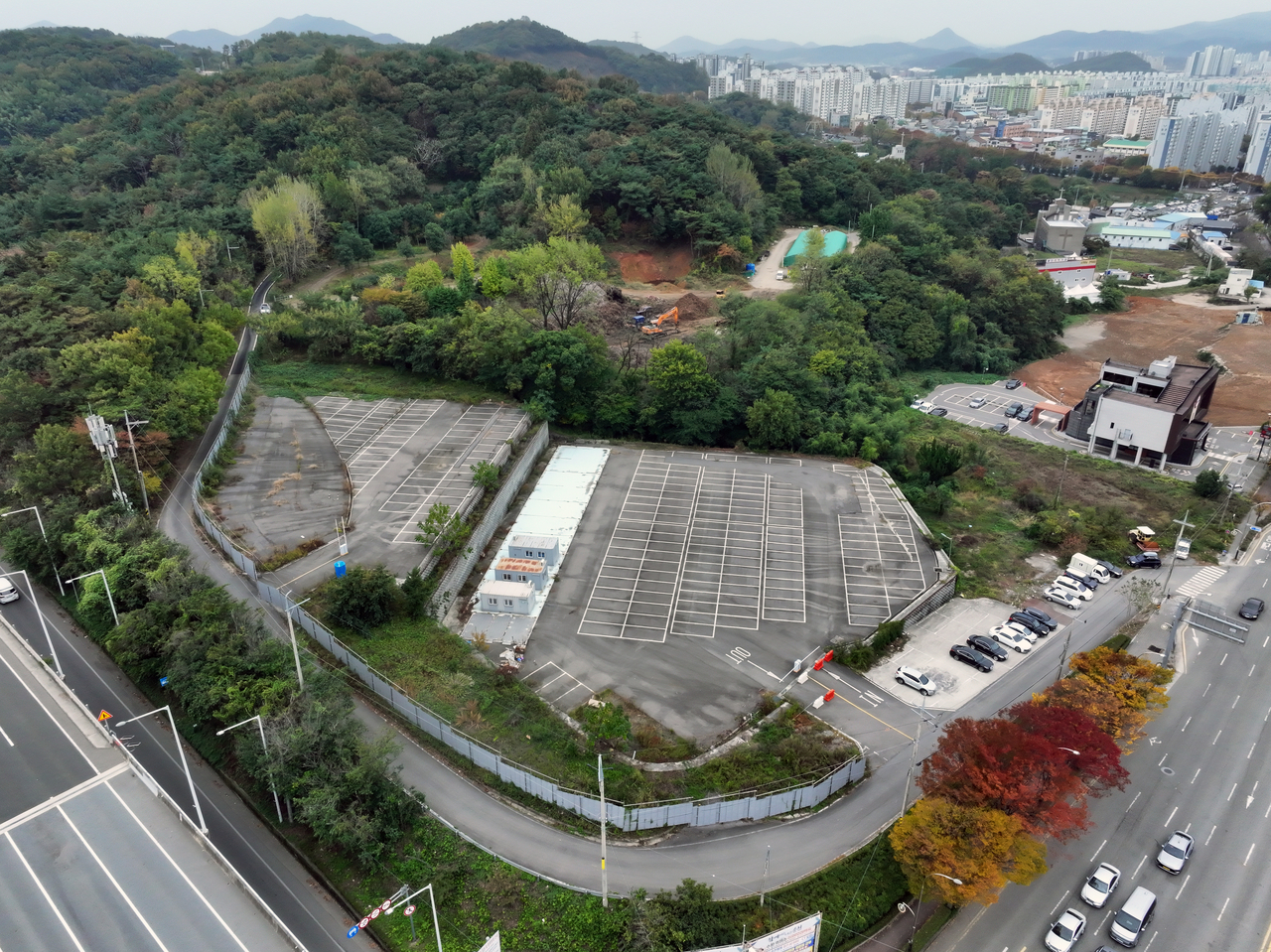
The government has finalized its selection of Suncheon National University in the South Jeolla-Gwangju integrated special city — with a quota of 60 students — and Gyeonguk National University in North Gyeongsang Province, with 40 students, as the sites for new regional medical schools. While the announcement establishes the framework for a long-sought expansion of regional medical education, significant challenges remain in securing educational infrastructure and funding.
The most pressing task is rapidly building the foundation needed to train future doctors. Constructing affiliated teaching hospitals — the backbone of medical education — and securing the enormous funding required must be pursued as the top priority. The government has allocated 4 billion won ($2.98 million) in next year's budget for preliminary surveys and design work at the two new medical schools.
However, establishing a university hospital and a functioning medical school will require hundreds of billions of won over the long term, meaning the government's systematic medium- and long-term budget commitments and local governments' fiscal investment plans must be closely coordinated.
Designing curricula and meeting facility standards are also critical tasks, as the schools must pass the rigorous accreditation review conducted by the Korean Institute of Medical Education and Evaluation before normal academic operations can begin.
Attracting highly qualified faculty with strong clinical experience and teaching ability to these regional locations will likewise demand concerted effort from both the universities and local governments.
Ensuring the regional physician system takes root is another essential challenge if the new medical schools are to fulfill their intended purpose.
The government must strengthen the effectiveness of the system, which requires selected graduates to serve for 10 years in their designated region. Next year's budget includes a newly created 1.26 trillion won special account for essential regional healthcare, of which 4.4 billion won will go first toward training and supporting regional physicians — covering tuition, textbook costs and residential expenses for enrolled students.
Conditions for long-term settlement must also be substantially improved so that graduates choose to remain in their regions voluntarily after completing their mandatory service. Systematic career development programs that allow physicians to build specialist credentials and pursue academic research locally, backed by institutional support at the government level, will need to accompany these efforts.
Addressing healthcare gaps in regions not selected in this round, and resolving equity concerns between regions, are further problems the government must solve.
The government said it plans to discuss additional quota allocations after 2032, taking into account changes in healthcare demand and regional conditions. As a result, not only the unselected regions hoping for future allocations, but also Suncheon National University and Gyeonguk National University, now face the task of translating government funding into tangible results and demonstrating their medical education capabilities over the years ahead.
thlee@heraldcorp.com