AI development pace, data center rules emerge as key battlegrounds
Democrats divided on regulatory approach, complicating legislation
Crypto bills face uncertain future as Trump business probes loom
Industry spent $46 million but still lost to hard-line regulators
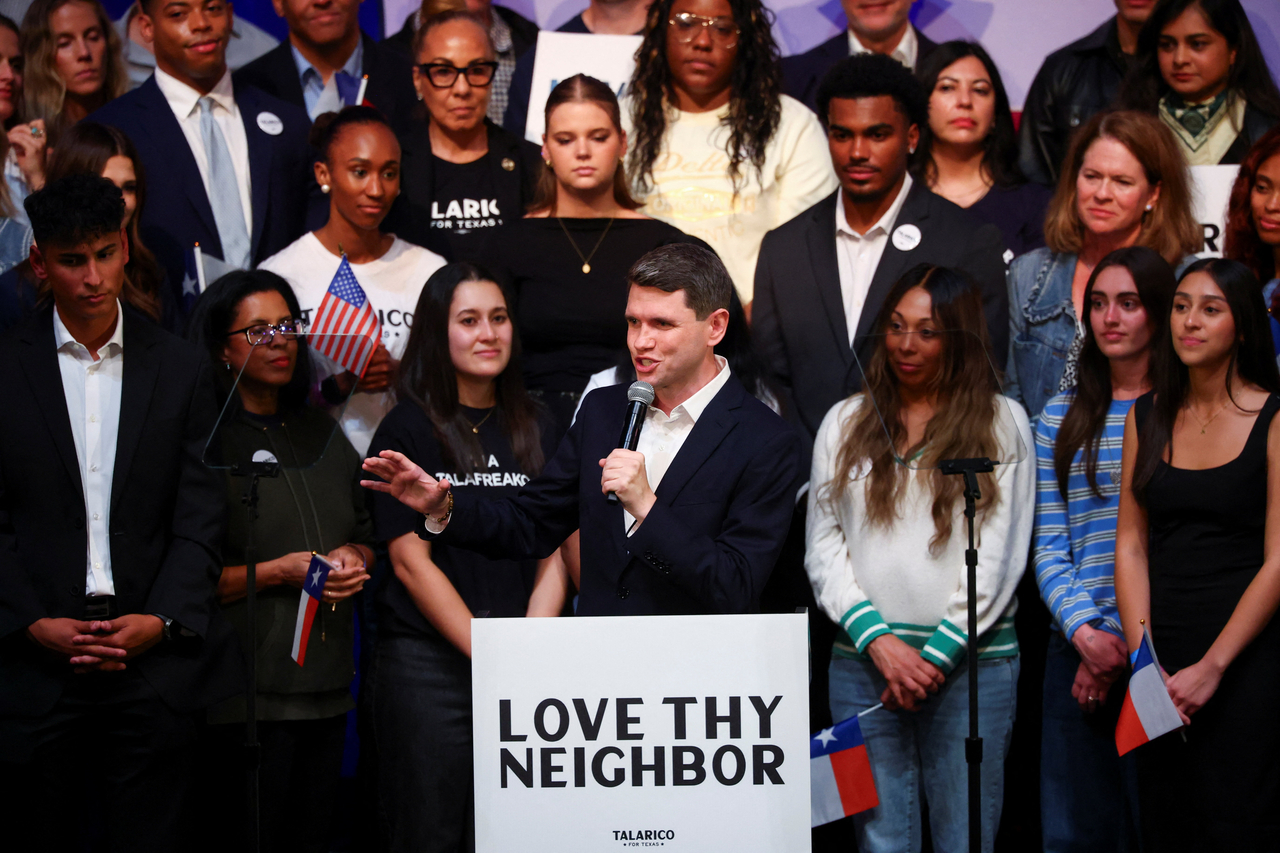
The Democratic Party's sweep of both chambers of Congress in the US midterm elections is expected to reshape Donald Trump's agenda on AI and cryptocurrency, with Democrats poised to use key committees to slow AI development and tighten oversight of the digital asset industry. Conflicts within the party over how far to push regulation, however, mean the path to actual legislation will be rocky.
According to The New York Times and other outlets, Democrats are expected to use standing congressional committees over the next two years to check the Trump administration's technology and financial policies. Oversight of advanced AI development and the cryptocurrency industry has emerged as a top priority.
On AI, the central question is how much to constrain the pace of technological development. Some Democratic candidates won competitive races on pledges to curb large-scale data center construction and the development of cutting-edge AI models, riding voter concerns about surging power consumption and job losses driven by the industry's rapid growth.
With Democrats taking control of Congress, leadership of the key committees handling AI legislation is set to change. Sen. Maria Cantwell is the leading candidate to chair the Senate Commerce Committee, while Rep. Frank Pallone is the frontrunner for the House Energy and Commerce Committee.
Both panels are expected to lead congressional investigations into AI companies and drive related legislation. Democrats are likely to begin by summoning AI executives for hearings to examine the risks of their development practices and the case for regulation.
Within the party, however, views on how strict the rules should be diverge sharply. Some lawmakers argue that development of advanced AI models should be temporarily halted, while others prefer mandating independent safety audits.
Cantwell is known to favor rigorous independent verification. Progressive lawmakers, by contrast, stress that AI poses serious risks to humanity and want development slowed as much as possible. Protecting workers who could lose jobs to AI is also on the agenda.
In the cryptocurrency space, conflicts of interest tied to Trump's personal business ventures have become the central issue. Congress had been working toward a clear regulatory framework for digital assets, but negotiations stalled over ethics provisions that would restrict a president from engaging in cryptocurrency businesses.
That impasse has clouded the prospects for the Digital Asset Market Clarity Act of 2025, which was intended to establish a comprehensive regulatory structure for the crypto market. With Democrats now more likely to investigate Trump's cryptocurrency dealings, the legislation's fate looks increasingly uncertain.
Sen. Elizabeth Warren, set to chair the Senate Banking Committee, has taken a hard line against cryptocurrency ventures connected to the president. The race for the House Financial Services Committee chairmanship is shaping up as a contest between Rep. Maxine Waters and Rep. Sean Casten.
The election results have landed as a significant blow to the cryptocurrency industry. The outcome of the Ohio Senate by-election — where Democratic candidate Sherrod Brown defeated Republican Rep. Jon Husted — stands out as a particularly stark example.
Brown has long been a vocal critic of the cryptocurrency industry. Fairshake, the industry's largest super PAC, had backed Republican Bernie Moreno in the 2024 election, successfully ousting Brown, who was the incumbent at the time.
This cycle, Fairshake poured $46 million into advertising to block Brown's return — and failed. The New York Times described it as one of the rare defeats the cryptocurrency industry has suffered at the ballot box since the Trump administration took office, and a significant setback.
Brown's victory also raises the possibility that he could chair the Senate Agriculture Committee, which has jurisdiction over digital assets and prediction markets. If hard-line Democratic lawmakers take the helm of key committees, the deregulatory policies the industry had been counting on could be put on hold.
The Democratic takeover of Congress is expected to inject significant policy uncertainty into both the AI and cryptocurrency sectors. In AI, internal party disagreements over development pace and safety rules, and in crypto, questions over Trump's conflicts of interest and the fate of pending legislation, are shaping up as the defining variables for the road ahead.
sjy@heraldcorp.com