Next-generation anticancer candidate GI-102 paired with pasritamig in prostate cancer trial
Global JET trial based on J&J supply deal spans nine institutions in South Korea and US
Dual T-cell and NK-cell activation aims to overcome immunotherapy's limits in prostate cancer
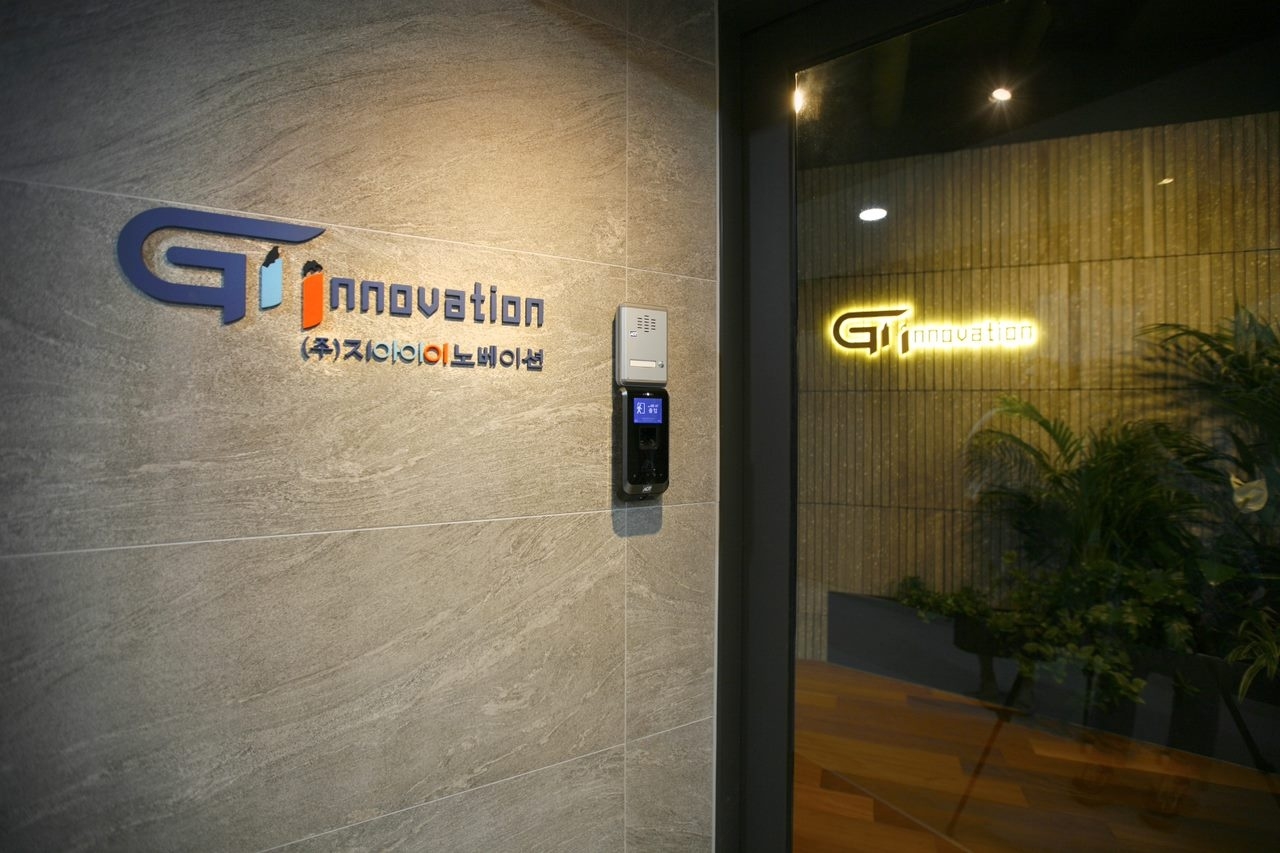
GI Innovation has administered the first patient dose in a global clinical trial combining its proprietary anticancer candidate with Johnson & Johnson's next-generation T-cell engager.
The company said Thursday it dosed the first patient on Monday in the JET trial, a global Phase 1b/2 study evaluating a combination regimen of its next-generation anticancer candidate GI-102 and pasritamig — a first-in-class KLK2×CD3 T-cell engager — in patients with metastatic castration-resistant prostate cancer.
Pasritamig is being supplied free of charge under a clinical trial drug supply agreement GI Innovation and Janssen Research & Development, a unit of J&J, signed in March. Since then, GI Innovation has been preparing the global Phase 1b/2 trial targeting patients with metastatic castration-resistant prostate cancer who have failed standard treatment.
Pasritamig is a next-generation bispecific antibody-based T-cell engager designed to bind simultaneously to CD3 on the surface of T cells and KLK2, a prostate-specific antigen. It activates T cells to selectively attack prostate cancer cells and is currently in a global Phase 3 trial. GI-102 is expected to create a synergistic effect by promoting the proliferation and activation of T cells and natural killer cells, maximizing pasritamig's antitumor activity.
The JET trial is led by Mark N. Stein, a professor at the Herbert Irving Comprehensive Cancer Center at Columbia University Irving Medical Center, who previously led the first-in-human Phase 1 trial of pasritamig. The trial is running simultaneously at nine major medical institutions in South Korea and the United States.
Participating US sites include Columbia University, Johns Hopkins University School of Medicine, Thomas Jefferson University Hospital and the University of Wisconsin–Madison. Five institutions in South Korea are handling patient recruitment and the trial: Asan Medical Center, Yonsei University Severance Hospital, Seoul St. Mary's Hospital, Korea University Anam Hospital and Ewha Womans University Mokdong Hospital.
"Prostate cancer is one of the tumor types that has benefited least from immunotherapy," Stein said. "The combination of pasritamig and GI-102 will be a new strategy that changes the treatment paradigm for prostate cancer, where existing therapies have shown limited effect."
Jang Myung-ho, chief executive of GI Innovation, said the trial marks "an important milestone in expanding GI-102's combination development strategy into the next-generation T-cell engager space," adding that the company would move quickly to secure global clinical data and accelerate commercialization.
silverpaper@heraldcorp.com