Democrats can check White House through war budgets, confirmations
Trump acknowledges Iran war hurt GOP but says he has no regrets
Ukraine aid, Russia sanctions set for clash with new Congress
Summit diplomacy with China to continue; Korean tariff pressure a wild card
Global markets move on Trump's every word. The Herald Business international desk, on the ground from 5 a.m., delivers a daily digest — from Wall Street's closing bell to the Trump news that moves global asset markets — in just one minute.
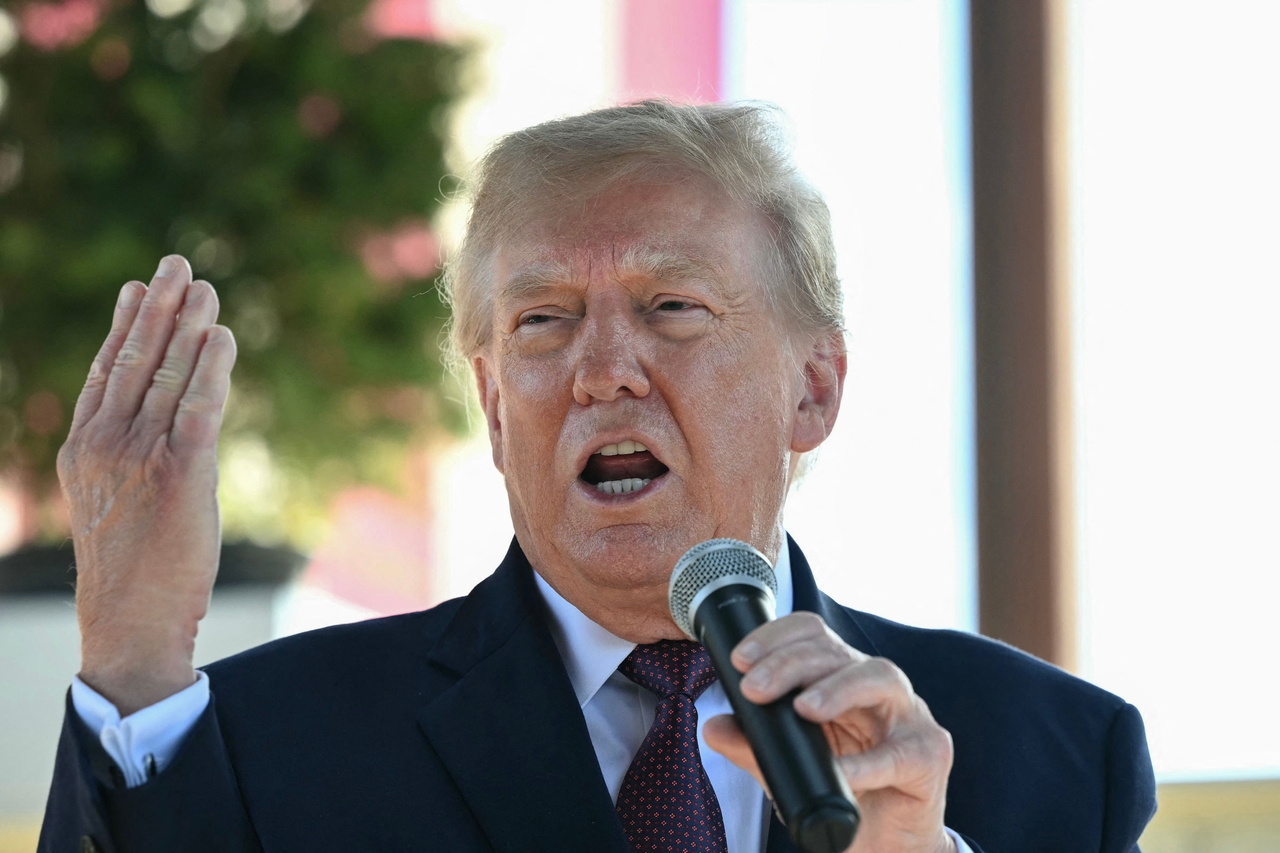
With Democrats seizing control of both chambers of Congress in the US midterm elections, attention is turning to how Donald Trump's foreign policy may shift over the final two years of his presidency. While Democrats can now check the administration through war budgets, military aid and cabinet confirmations, core decision-making authority over military operations and summit diplomacy remains with the president. There are also growing concerns that Trump, his domestic political standing weakened, may turn more aggressive on foreign policy — including renewed strikes on Iran or additional tariffs.
The Wall Street Journal reported Wednesday (local time) that even with Democrats controlling Congress, their power to directly constrain Trump's foreign policy is limited. With Democratic checks tightening on domestic legislation, foreign policy is expected to remain a key arena where Trump can pursue achievements in his remaining term.
In his second term, Trump has used steep tariffs to reshape the global trade order and launched military operations including a war with Iran. The Iran conflict sent international oil prices surging, raising the cost of living for Americans — a factor that weighed against Republicans in the midterms.
Trump acknowledged that the Iran war contributed to the election defeat. In an interview with the Wall Street Journal, he said Iran "was one of the causes," noting that high oil prices stemming from the conflict had become a political liability. He said, however, that he had no regrets about starting the war. Vice President JD Vance also posted on X that day, saying "any honest conversation about the path forward must start with the Iran war."
The prospect of renewed US airstrikes on Iran is what concerns the international community most. The US warned Gulf states before the midterms to prepare for the possibility of a short but intense military operation in the period immediately after the vote. Two US carrier strike groups and one amphibious ready group are currently deployed in the Arabian Sea, with a third carrier strike group expected to join them.
Trump said in post-election interviews that he has no immediate plans for an attack, but did not rule out future military action. Democrats can pressure the administration by controlling war-related funding and holding hearings to scrutinize the legal basis for military operations. Directly limiting the president's authority as commander in chief, however, is not easily done.
Claudio Galimberti, senior economist at Rystad Energy, said Democratic control of Congress "could significantly raise the cost of expanding the war," adding that institutional pressure to pursue negotiations over the Strait of Hormuz rather than additional airstrikes would grow.
Whether the US stance on the war in Ukraine will shift is also drawing scrutiny. Trump has cut off most military aid to Ukraine and sought to improve relations with Russia. Democrats can push for expanded support for Ukraine and tougher sanctions on Russia through defense budgets and sanctions legislation, but much of the actual enforcement authority remains with the administration.
US military support for Israel is another flashpoint. Trump has raised the possibility of ending support for Israel in 2026, but analysts say an immediate cutoff is unlikely given that Congress has already approved funding.
On China, Trump's summit diplomacy is likely to continue. Trump has been seeking to stabilize his relationship with Chinese President Xi Jinping, but Democrats take a harder line on Beijing, meaning congressional pressure for arms sales to Taiwan could intensify. South Korea and other Asian allies are concerned that Trump may prioritize diplomatic wins in negotiations with China or North Korea over the security and economic interests of his allies.
On tariffs, Trump's existing approach may hold or even intensify. The New York Times said Trump could move aggressively to impose additional tariffs, naming Japan, China and Vietnam as potential targets. Asian allies including South Korea and Japan have already pledged hundreds of billions of dollars in US investment under trade agreements with Washington.
However, on matters requiring congressional review — such as changes to the United States-Mexico-Canada Agreement — Democratic checks could tighten. Trump has floated the idea of terminating the agreement outright, a move that would likely put him on a collision course with Congress.
Europe, too, is on alert over shifts in US foreign policy. With Trump moving to reduce NATO's role and threatening to seize control of Greenland, European nations are accelerating efforts to build up their own defenses. Even with Democrats controlling Congress, directly blocking Trump's foreign policy moves will be difficult, and uncertainty over the Iran war and tariff policy is expected to persist for now.
sjy@heraldcorp.com