US troop presence in Europe may shrink further
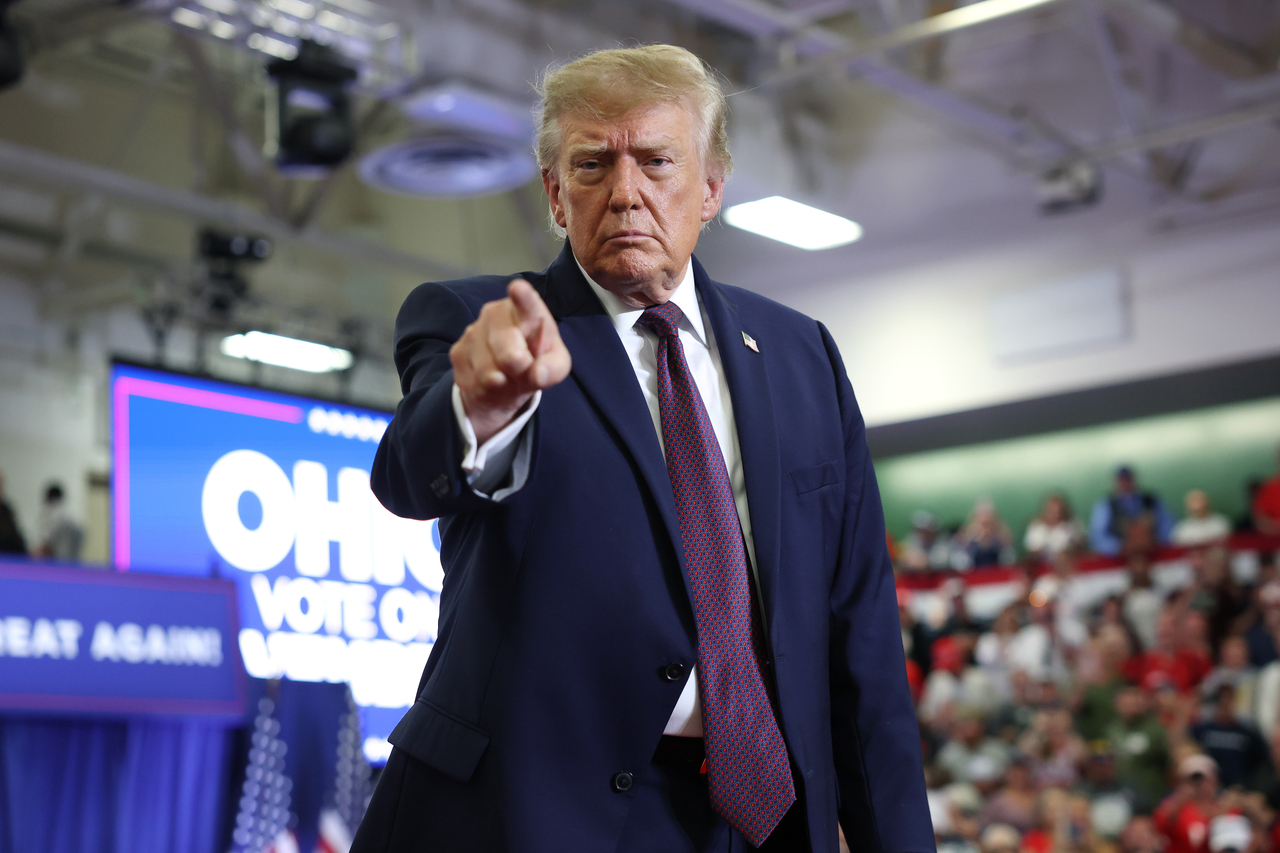
Concerns are mounting that Donald Trump could direct his frustration at Europe following the Republican Party's defeat in Tuesday's (local time) midterm elections.
Political outlet Politico warned that Europe "risks bearing the brunt of President Trump's frustration," identifying the continent as a likely target for Trump to demonstrate his continued grip on power.
The most pressing worry is that the recently dormant trade dispute between the United States and Europe could reignite. Bernd Lange, chair of the European Parliament's trade committee, said a "lame duck" could turn into an "angry duck," adding that Trump offers "neither stability nor predictability" and could push ahead with tariffs on European pharmaceuticals and machinery.
Wolfgang Ischinger, chair of the Munich Security Conference, who said at the MSC in February that the Trump administration was undermining the global order, warned that Europe should "prepare for more discord and more demands from Trump, not a friendlier transatlantic relationship."
Daniela Schwarzer, director of the Hertie School of Governance in Germany, said it would be difficult to predict Trump's behavior after the election loss, adding that "a badly defeated Trump may try to reverse his domestic loss of power through foreign policy."
The ongoing reduction and redeployment of US troops in Europe, which has accelerated this year, could also serve as an outlet for Trump's anger. The US Department of Defense announced in May that it would cut 5,000 troops stationed in Germany and is reviewing further redeployments.
Trump has repeatedly demanded that NATO member states shoulder more of the security burden, threatening to withdraw from the alliance and accusing European members of free-riding on US defense. Within NATO, some believe Trump may reduce troop levels in Europe further to energize his core supporters. Former US Ambassador to NATO Kurt Volker, however, said he does not expect major changes. "I don't think the issue of NATO withdrawal or troop reductions will change much. Trump is isolated in the US on this issue," Volker said.
For Europe, which has faced a growing burden in providing military and fiscal support to Ukraine since the Trump administration took office, a Democratic victory in the midterms does not translate into immediate relief on cost-sharing. Trump still holds the power to veto legislation and otherwise block congressional decisions.
"Even if the Democrats decide to start providing support, including funding, to Ukraine, it could take months or even years to actually materialize," said Bronwen Maddox, director of Chatham House. "It is hard to expect immediate relief for Zelensky."
Germany, which has become Ukraine's largest supporter since Trump cut off US aid funding, said it would continue working with the Trump administration. German Defense Minister Boris Pistorius, speaking at the Berlin Security Conference that day, said he did not know what plans Trump had, but that "the German government will maintain contact with both the Democratic and Republican parties."
yg@heraldcorp.com