Beolgyo-eup cockle festival opens Nov. 20
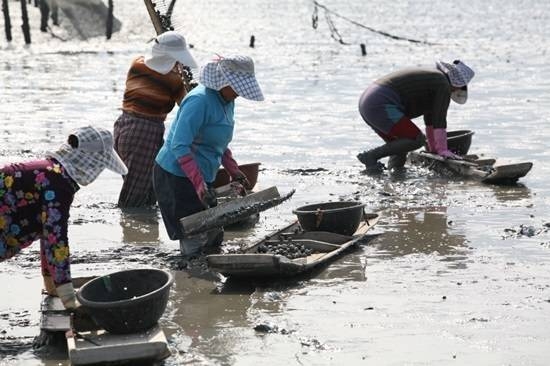
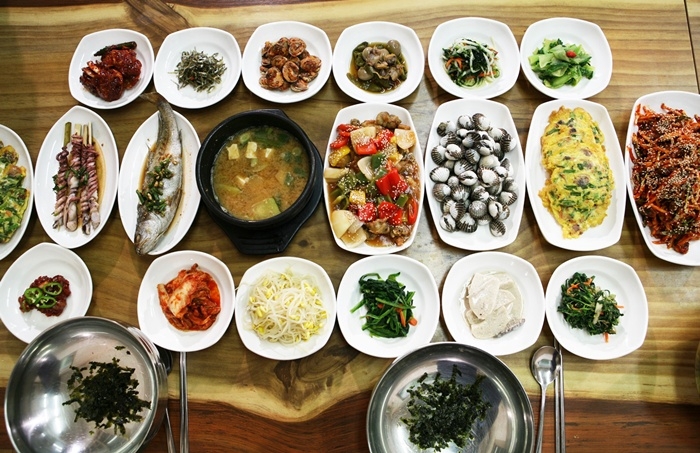
The 22nd Beolgyo Cockle Festival will be held from Nov. 20 to Nov. 22 along the Beolgyo Stream. Beolgyo-eup is the country's main production hub for cockles, a shellfish prized for its distinctively briny flavor.
According to Boseong-gun, opening day will feature a nongak (farmers' music) street parade and a ceremony marking "Beolgyo-eup Residents' Day," followed by the official opening of both the Beolgyo Cockle Festival and the Boseong Beolgyo Tidal Flat Festival.
Around lunchtime, organizers will prepare cockle bibimbap for 1,000 people, sharing the taste of the shellfish at its seasonal peak — cockles are harvested in earnest once the cold winds arrive — with tourists.
On the second day, a commemorative event at the Taebaek Mountain Range Literature Museum in Beolgyo-eup will be followed by preliminary and final rounds of a cockle-themed singing contest. At 2 p.m., author Jo Jeong-rae will lead a literary tour of the settings of the novel "The Taebaek Mountains."
On the final day, Nov. 22, Jo will hold a book concert and signing session for "The Taebaek Mountains" at the Taebaek Mountain Range Literature Museum at 2 p.m.
At the same time on the festival's main stage, performers will present Boseong pansori and the changgeuk (traditional Korean opera) "Yi Sun-sin and Yeolseonnu." Yeolseonnu, located in Boseong-eup, is the site where Admiral Yi Sun-sin wrote a military dispatch to King Seonjo of Joseon. Popular trot music singers will also perform across all three days of the festival.
Beolgyo-eup in Boseong-gun, where the cockle festival is held, is widely regarded as the primary setting of the epic novel "The Taebaek Mountains" and a top destination for literary tourism in South Korea. The town is also known as a cradle of arts and culture — the birthplace of nationalist musician Chae Dong-seon and of Na Cheol (1863–1916), pen name Hongam, who revived the indigenous Korean religion Daejonggyo.
parkds@heraldcorp.com