1,004 residents applied in open recruitment; 705 selected as council members
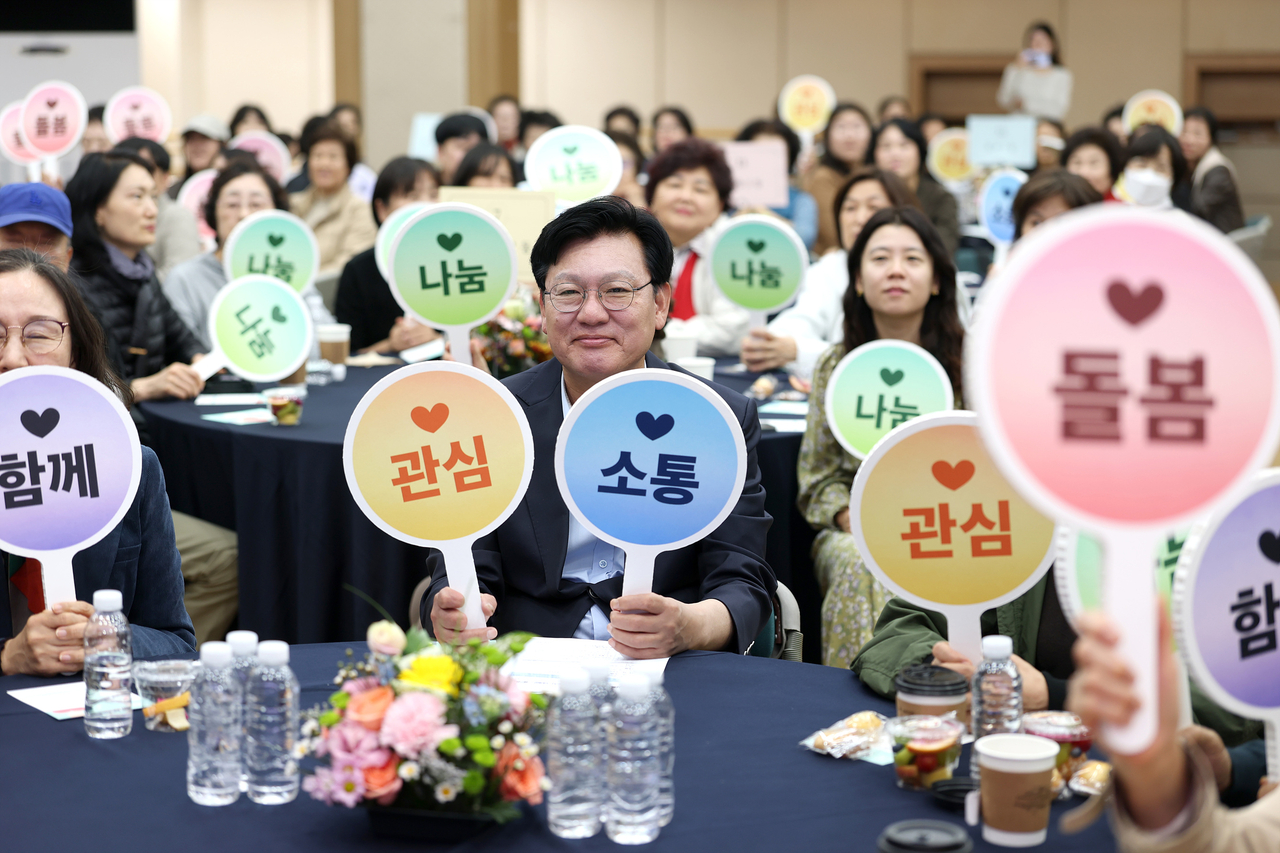
Seodaemun-gu is relaunching its resident self-governance councils after a four-year suspension, establishing a new system in which residents identify neighborhood issues, decide on solutions, and receive official responses from the district administration.
The district held its first appointment ceremony Wednesday for council members across seven neighborhoods. The relaunch fulfills District Mayor Park Un-gi's campaign pledge to restore the councils — a goal he set in motion on his first day in office, July 1, when he signed the "Resident Self-Governance Council Revitalization Plan" as his inaugural administrative order, four months ago.
Seodaemun-gu's resident self-governance councils were first launched in 2018 as a Seoul Metropolitan Government pilot program covering five neighborhoods, then expanded in 2020 to all 14 neighborhoods in the district. Activity came to a halt in November 2022 when council members' terms expired, and the councils have now been reconstituted for the first time in four years.
An open recruitment drive held from August through September drew 1,004 applicants, of whom 904 completed a resident self-governance training course. In 11 neighborhoods where applications exceeded the allotted seats, a public lottery was held, yielding a final roster of 705 council members.
The revived councils are designed not merely to restore the organizational structure but to ensure that residents' decisions translate into actual policy. Each council will identify neighborhood issues — covering welfare, the environment, transportation and other areas — and discuss solutions through subcommittees. Residents will then set priorities for self-governance plans and neighborhood project proposals at a general assembly.
Particularly notable is a new accountability mechanism: once a general assembly submits its self-governance plan to the district mayor, the mayor must formally respond within two months on whether each item will be adopted. The district will also support the councils through attendance allowances for regular meetings and dedicated administrative coordinators for each neighborhood.
Regular neighborhood meetings are set to begin this month, with council leadership — including chairs — to be finalized by December. Next year, general assemblies are planned for all 14 neighborhoods.
"We will build a structure in which residents' voices lead directly to decisions and action by the district government, making Seodaemun a place where residents are the true owners of their neighborhoods," District Mayor Park said.
ikson@heraldcorp.com