San Francisco Fed analyzes weather's impact on prices
El Niño estimated to have lifted PCE inflation 0.3 percentage points from April to July
La Niña follow-up next year could push prices up by as much as 1 percentage point
Climate risk compounds oil and tariff pressures on Fed
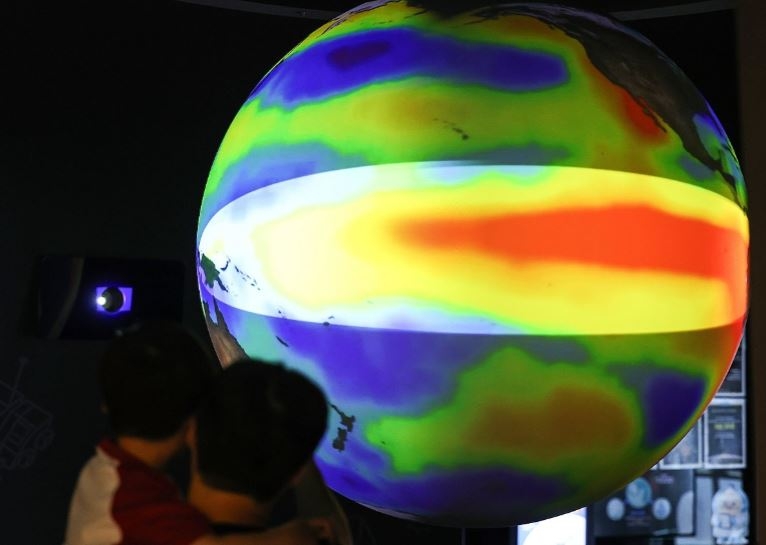
El Niño could push US inflation up by as much as 1 percentage point next year, according to new Federal Reserve research — adding a climate wildcard to an already fraught inflation outlook shaped by rising oil prices and tariff increases. The findings present a fresh complication for the Fed, which has maintained a restrictive monetary policy stance in its effort to bring prices under control.
The San Francisco Federal Reserve Bank said in a recent edition of its Economic Letter research publication that El Niño poses a significant risk of driving up US prices in 2027, Reuters reported Monday (local time).
El Niño is a weather pattern in which sea surface temperatures in the equatorial Pacific rise above normal levels, triggering droughts, floods and extreme heat in various parts of the world.
The World Meteorological Organization warned last month that the current El Niño episode could be among the most powerful on record, with droughts expected in some regions and flooding in others, driving up temperatures and extreme weather events globally.
Three San Francisco Fed researchers wrote in the report that they estimate the current El Niño may have raised the Personal Consumption Expenditures price index by about 0.3 percentage points between April and July this year.
They added that while the initial inflationary effect is expected to fade by the end of this year, prices could rise by as much as 1 percentage point in 2027.
That projection, however, assumes that this year's El Niño is followed by a La Niña event next year. La Niña is the opposite phenomenon — sea surface temperatures in the equatorial Pacific fall below normal — and, like El Niño, affects climate patterns and agricultural production around the world.
The researchers also flagged the risk that extreme weather could interact with existing supply chain vulnerabilities.
"Recent developments — including disruptions in fertilizer markets, supply chain bottlenecks in energy markets and record-breaking weather events — could interact with the current El Niño in unexpected ways," they said.
Should extreme weather disrupt agricultural production and logistics, it could add further upward pressure on food prices and energy costs.
The findings come as US inflation has remained above the Fed's target for an extended period.
The Fed has been contending with a succession of price shocks: supply chain disruptions during the COVID-19 pandemic, a sharp round of tariff increases last year, and rising international oil prices this year. US inflation has now exceeded the Fed's 2 percent target for more than five and a half years.
Growing demand for AI-related goods and services has also been cited as a new source of upward price pressure. With financial conditions assessed as not particularly restrictive, the Fed faces mounting pressure to keep inflation in check.
The Fed held its benchmark interest rate steady last week, but markets are pricing in the possibility of additional rate increases in December and next year to rein in inflation.
Meanwhile, the researchers found that El Niño could also have a positive effect on US job growth even as it pushes prices higher.
That divergence — with extreme weather affecting inflation and employment in opposite directions — could force the Fed into increasingly difficult trade-offs between its two policy mandates if El Niño's inflationary impact intensifies next year.
sjy@heraldcorp.com