- Korea Food Research Institute unveils findings on functional ingredients, microbiome and AI
- Research covers tailored nutrition for cancer survivors and risk prediction for supplement-drug combinations
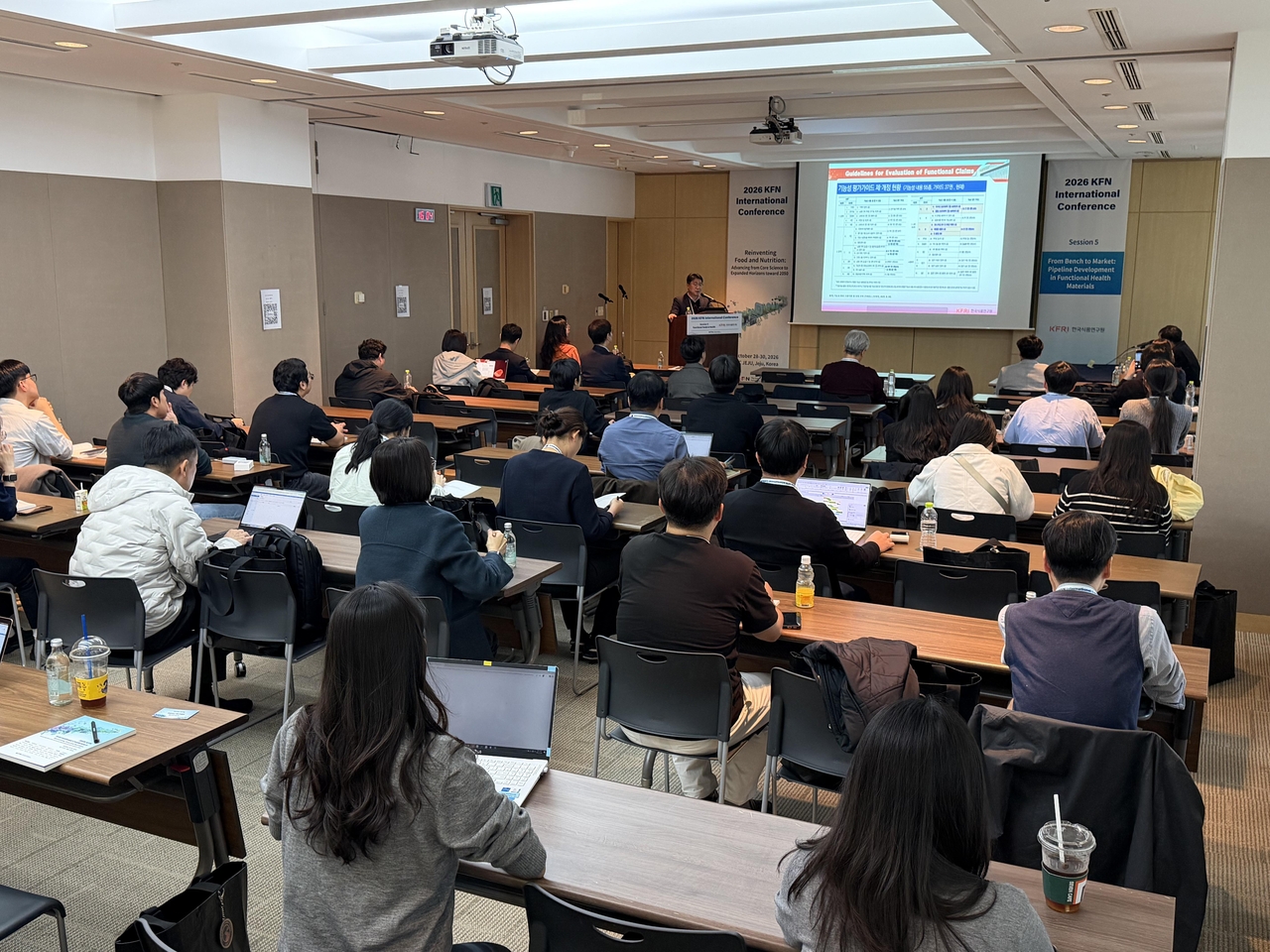
Researchers have unveiled findings that scientifically establish how food improves health and use AI to predict the safety of personalized diets and health supplements.
The Korea Food Research Institute announced Tuesday that it presented major research findings in three areas — functional food ingredients, gut microbiome and precision nutrition — at the 2026 Korean Society of Food Science and Nutrition International Conference, held Wednesday through Friday at the Jeju International Convention Center.
At the conference, the institute outlined a research direction connecting food ingredient discovery, analysis of effects on human health and the design of individualized nutrition plans.
In the area of functional food ingredients, researchers introduced work on developing probiotics to improve immune function and on using natural substances to address metabolic disorders.
A standout finding showed that an extract from Rosa multiflora leaves can improve metabolic dysfunction-associated steatotic liver disease, known as MASLD, by regulating the AGE-RAGE signaling pathway involved in inflammation and metabolic abnormalities. The institute also shared a strategy for verifying the commercial viability of functional ingredients by screening useful strains and linking them to human clinical trials.
The gut microbiome sessions focused on how interactions between food and intestinal bacteria affect chronic diseases such as diabetes.
One representative study used Korean microbiome data to analyze the role gut bacteria play in the relationship between dietary habits and type 2 diabetes. Researchers also presented work on developing a new dietary index that reflects the relationship between food intake and gut microbiota, as well as cases of probiotic strain development aimed at supporting stress recovery and healthy aging.
The most closely watched area was precision nutrition research using genomic and metabolic data.
While conventional nutrition management provides dietary guidelines based on group averages such as age or sex, precision nutrition takes an individualized approach — analyzing a person's genetic profile, metabolic condition and disease risk to design a tailored diet.
The institute presented findings from an analysis using data from the Korean Genome and Epidemiology Study, or KoGES, examining the link between biological aging speed — measured through DNA methylation — and chronic disease risk factors including hypertension and triglyceride levels.
Researchers also presented work combining metabolomics analysis with graph-based AI learning technology to interpret individual metabolic differences, as well as a study on personalized nutrition management for cancer survivors using genetic risk scores.
Particularly notable was the unveiling of an AI-based safety intake system that predicts risks when health supplements and medications are taken together. The technology is expected to help individuals choose appropriate foods and manage nutrition safely based on their personal health conditions.
Korea Food Research Institute Director Baek Hyeon-dong said food research must now go beyond finding good ingredients to understanding how those ingredients work inside the body and why they affect people differently. "We will continue evidence-based research so that our findings can reach the industrial field and the tables of the public," Baek said.
nbgkoo@heraldcorp.com