Even a single prior violation in past 5 years triggers 10% surcharge
Reductions for delayed or first-time violations to be abolished
Cap on base fines for small companies also removed
Companies belonging to large conglomerate groups that repeatedly violate disclosure requirements will face fine surcharges of up to 50% under tightened rules. Under the current system, a surcharge applies only when a company commits four or more violations within the past five years; going forward, even a single prior violation within that period will trigger a penalty increase.
Provisions that allowed fines to be reduced based on how long a disclosure was delayed or whether it was a first-time offense will also be abolished.
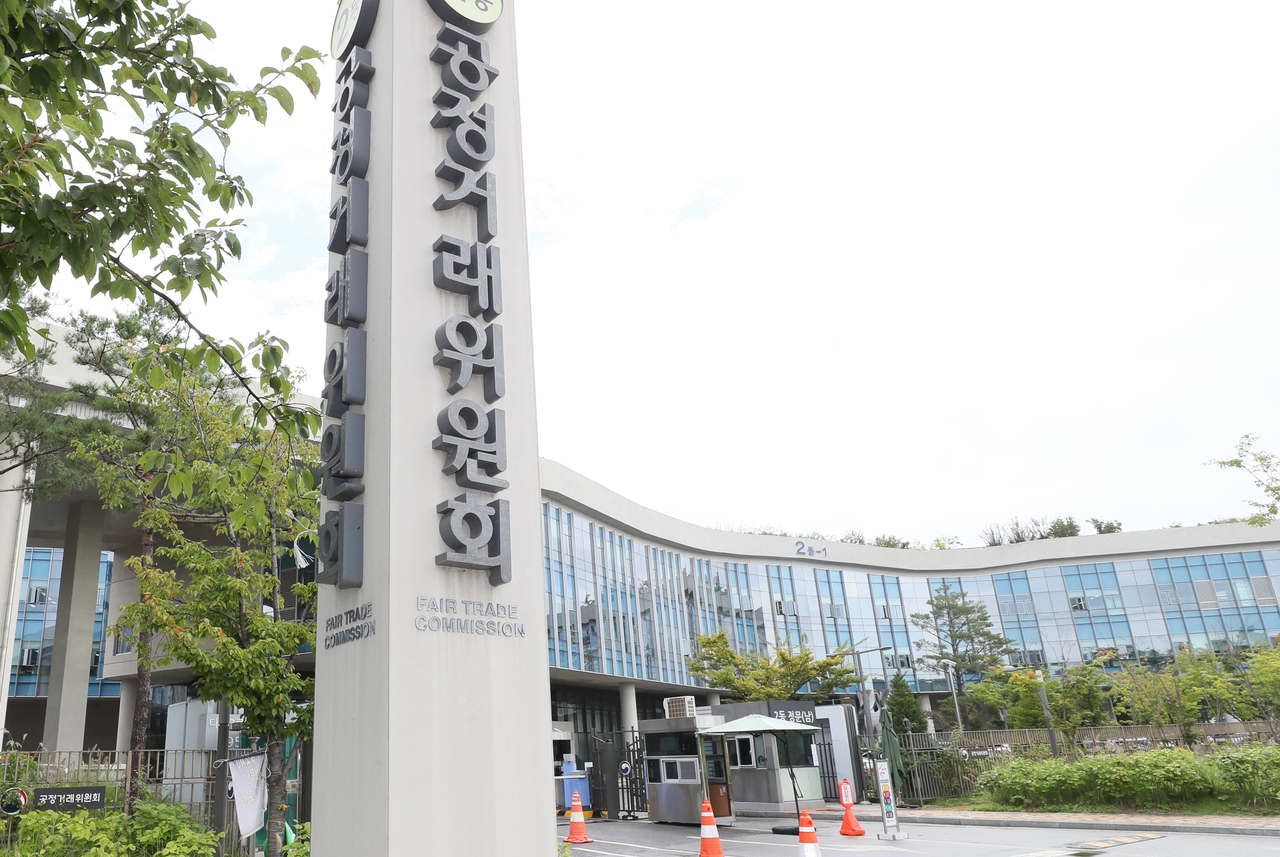
The Korea Fair Trade Commission announced Tuesday that it has revised two public notices governing fine standards for disclosure violations, with the changes taking effect Monday.
The surcharge thresholds for repeat violations will be significantly raised. Under the existing rules, companies that violated disclosure requirements four to six times within the five years including the inspection year faced a 10% surcharge, while those with seven or more violations faced a 20% surcharge. Under the new rules — counting only the five years prior to the inspection year, excluding the current year — one prior violation will trigger a 10% surcharge, two violations a 30% surcharge, and three or more violations a 50% surcharge.
According to the Fair Trade Commission, more than 50 companies committed two or more disclosure violations over the five years from 2021 through last year. The commission said the existing framework had limited deterrent effect, as surcharges only kicked in after four violations and the maximum increase was capped at 20 percent.
The method for counting repeat violations will also change. Previously, violations detected during the inspection year were included in the tally; they will now be excluded, with only the prior five-year record taken into account.
Fine reduction provisions will also be overhauled. Rules that allowed reductions of 75 percent for delays of three days or fewer, 50 percent for seven days or fewer, 30 percent for 15 days or fewer, and 20 percent for 30 days or fewer will be eliminated.
The move aims to resolve a problem in which adding to the base fine for each day of delay was being offset by subsequent reduction provisions. When a disclosure is late, the base fine increases by 50,000 won ($37) per day for conglomerate status disclosures and 100,000 won per day for large-scale internal transaction disclosures.
A 20 percent reduction that applied when a company violated conglomerate status disclosure requirements for the first time, or had no violations in the preceding five years, will also be scrapped. The commission said the provision had overlapped with a separate 50 percent reduction available within 30 days of a company being newly designated as a disclosure-subject conglomerate, allowing total reductions of up to 70 percent.
The cap on base fines for smaller companies will likewise be removed. Under the existing rules, companies whose paid-in capital or total equity — whichever is greater — falls below 1 billion won for conglomerate status disclosure violations, or below 5 billion won for large-scale internal transaction disclosure violations, were protected by a provision preventing the base fine from exceeding 1 percent of that amount.
The commission said it will remove the cap at the base-fine calculation stage, since a company's financial condition is already considered when setting the final fine, eliminating the problem of overlapping reductions.
However, violations whose disclosure deadlines fell before the revised notices take effect will remain subject to the previous rules.
The commission said it expects the revisions to encourage companies to fulfill their disclosure obligations in good faith and to strengthen market oversight of the ownership and governance structures of conglomerate groups.
y2k@heraldcorp.com