Inappropriate physical contact, sexually explicit remarks
Producer contests six-month pay cut but loses at both trial levels
Courts find misconduct 'serious,' including secondary victimization
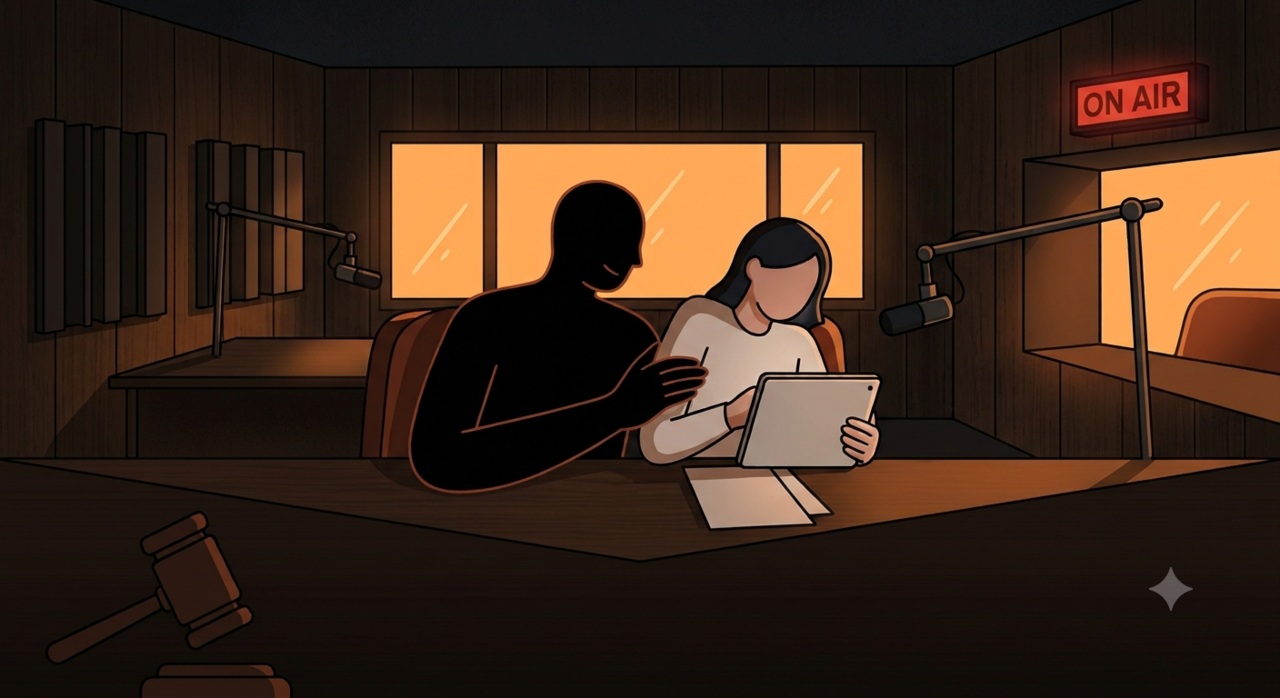
An MBC producer who repeatedly sexually harassed a contract writer 26 years younger and then subjected the victim to secondary victimization received a six-month pay cut as disciplinary punishment — and then sued to have even that overturned, only to lose at both the trial and appellate levels.
According to legal sources Tuesday, Seoul High Court's Civil Division 15-2, presided over by Judge Shin Yong-ho, ruled against the producer, identified only as A, in early September in the appeal of a lawsuit seeking to cancel the six-month pay reduction.
A had initially received a one-month suspension in February 2024 for workplace sexual harassment. After A requested a review, the disciplinary review committee accepted the appeal but kept the original grounds intact, reducing the penalty to a six-month pay cut on the basis that "some of the responsibility for the inappropriate physical contact lay in the nature of the work environment."
A refused to accept even the reduced punishment and filed suit in March 2024.
During the proceedings, A's side argued that the physical contact had been "accidental, arising from the particular nature of the work." On the verbal harassment, the defense claimed the victim had "exaggerated trivial acts" and denied they constituted workplace sexual harassment. A also argued that the victim had behaved no differently than usual after the incidents.
Losses at both trial levels
Both courts rejected all of A's arguments, upholding all seven counts of workplace sexual harassment that the personnel committee had found. The first-instance court dismissed A's claim in August last year.
According to the facts established by the courts, A sat extremely close to the victim and made repeated physical contact during a live radio broadcast around April 2023. A producer who witnessed the incident testified in court that A "kept making bodily contact" and that the witness felt compelled to bring over a chair and sit next to the victim.
A separate incident of inappropriate physical contact in October 2023 was also upheld. A touched the victim's body multiple times under the pretense of brushing bean-powder residue off the victim's clothing. A colleague who witnessed the scene testified to having intervened to stop A.
Five counts of verbal sexual harassment over roughly the same period were also all upheld. For about three months, A asked the victim every Monday whether the victim had gone to a club over the weekend. The questioning stopped only after the victim, having endured it for some time, replied that they had never been to one and could not answer.
A also told the victim that if given the chance to return to their 20s, A would "have sex with more women at clubs," and — referring to a specific singer — said A "should have taken them to a hostess bar as a treat." A also described a particular film title as a parody of adult content, and instructed the victim to learn how to peel fruit and bring some in.
The victim had initially tried to avoid making the matter public, reporting only to a union gender-equality officer rather than to the human resources department. It was only after learning that A was preparing to file a lawsuit against the victim that the victim went to HR.
Rather than separating the victim from the perpetrator, what followed was secondary victimization by A. A excluded the victim from teleprompter duties and repeatedly took the victim's keyboard and mouse to A's own workstation every few minutes. A also made remarks implying a transfer, saying the victim "would learn a lot by going somewhere with more work to do."
All harassment and secondary victimization counts upheld
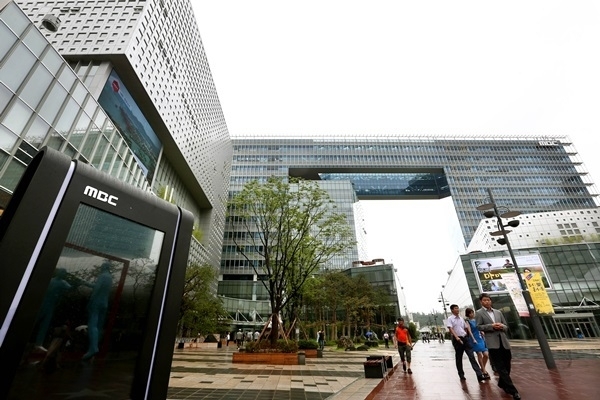
Both courts upheld all findings of workplace sexual harassment and secondary victimization against A. A's argument that the victim had shown no signs of being a "proper victim" — pointing to the victim's apparently normal behavior after the incidents — was rejected.
The appellate court noted that A, as the program's main producer, "in effect held the authority to decide whether to renew the victim's freelance contract every six months," and that "the victim would likely have found it difficult to raise the issue immediately out of concern for employment disadvantage."
The court added that while some victims of workplace sexual harassment do avoid contact with the perpetrator immediately after the incident, "it is also frequently observed that victims continue to behave as usual," and that "most of the messages exchanged between A and the victim were in fact work-related."
The courts also found the level of discipline appropriate. "The misconduct in question constitutes verbal and physical sexual harassment carried out routinely and repeatedly in the course of work," the court said, adding that "the secondary victimization, coming after the victim's report and carrying the possibility of employment disadvantage, makes the severity of the misconduct serious."
The court further noted that in all but one case involving sexual harassment or sexual assault, MBC had imposed suspension or dismissal, suggesting the six-month pay cut was a comparatively lenient sanction. "Taking all these circumstances together, it is difficult to conclude that the six-month pay reduction was so clearly unreasonable as to constitute an abuse of discretion," the court concluded.
Meanwhile, the head of MBC Radio's radio team and the head of the radio bureau each received 15-day disciplinary reprimands in connection with the case, after it was found that they had handled the matter internally without reporting it to HR despite being informed of the incidents.
The ruling has not yet been finalized. A has appealed, and the case is now before the Supreme Court.
notstrong@heraldcorp.com