
Inspections run Wednesday through Dec. 4; online shopping platforms and restaurants included; violations carry up to 7 years in prison
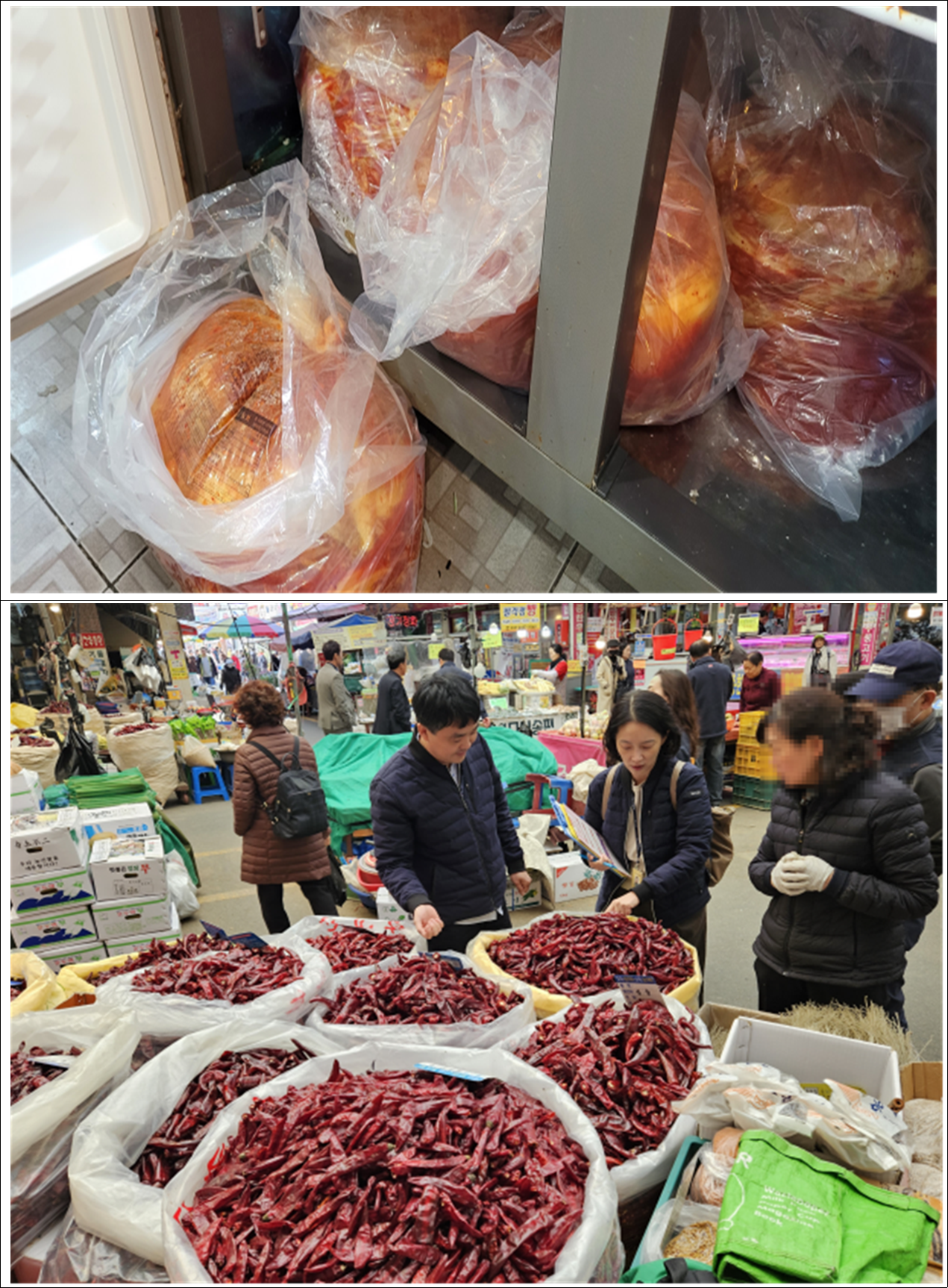
South Korea is stepping up enforcement of country-of-origin labeling for kimchi-making ingredients — including napa cabbage kimchi, red pepper powder and garlic — ahead of the annual kimjang season. The crackdown targets sellers who pass off imported produce as domestic or disguise it as products from well-known Korean growing regions.
The National Agricultural Products Quality Management Service announced Monday that it will conduct a month-long sweep from Wednesday through Dec. 4, covering napa cabbage kimchi and kimjang vegetables and seasonings.
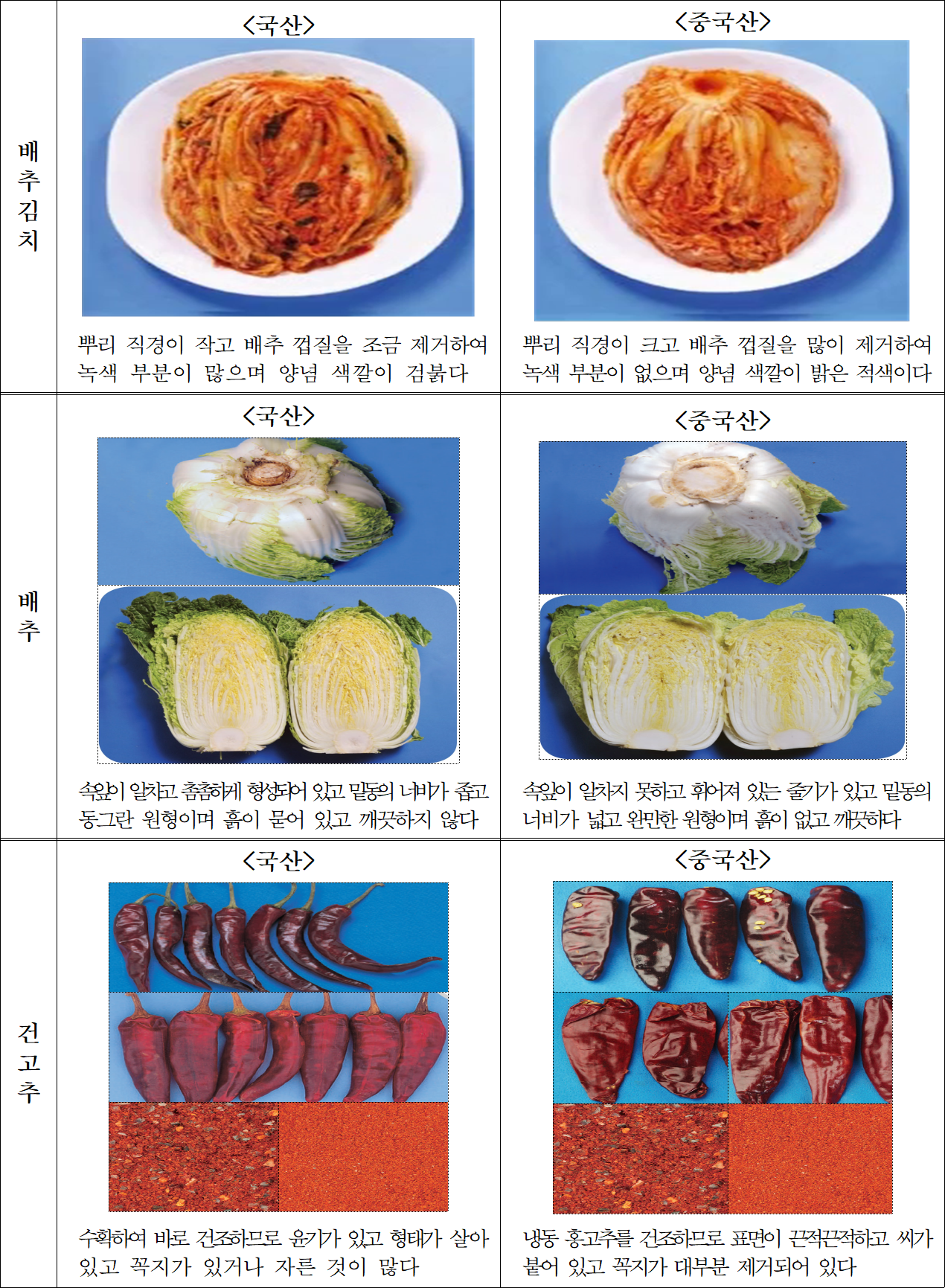
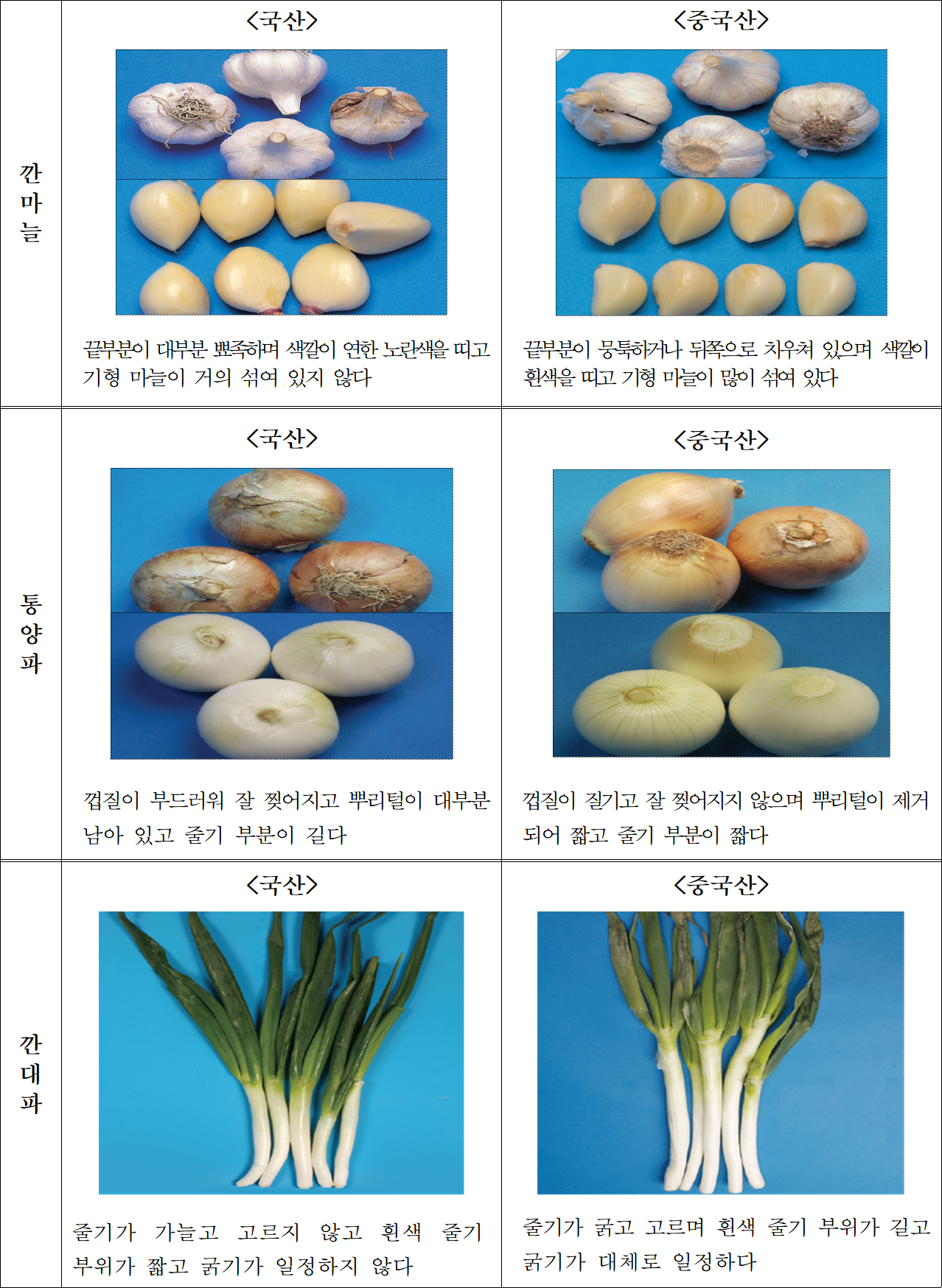
Items under inspection include napa cabbage kimchi, salted cabbage, dried red peppers, red pepper powder, garlic and ginger — products that see a surge in demand during the kimjang season. Inspectors will check for false labeling and missing origin declarations.
The agency will deploy special judicial police officers and honorary inspectors to examine kimchi manufacturers, retailers, online sellers and restaurants. Suspected violators will be identified using data on kimjang vegetable supply and pricing trends as well as the imported agricultural products distribution tracking system.
Online sales will also face heightened scrutiny. A cyber enforcement unit will monitor e-commerce platforms, online shopping sites and home shopping channels, and will conduct on-site inspections of businesses suspected of mislabeling.
Those caught falsifying country-of-origin labels face up to seven years in prison or a fine of up to 100 million won ($74,800). The names of violating businesses and details of their violations will be posted on the agency's website for one year. Businesses that fail to display origin information at all face a fine of up to 10 million won.
"We will thoroughly inspect country-of-origin labeling for napa cabbage kimchi and seasonings, which see increased consumption during the kimjang season, so that consumers can shop with confidence," National Agricultural Products Quality Management Service Director General Kim Cheol said. "When purchasing agricultural products, always check the country of origin, and if a label is missing or you suspect false labeling, please report it to the illegal distribution reporting center."
adastra@heraldcorp.com




