
BYD registers over 20,000 units in Korea through September, ranks 4th among import brands
Chinese brands' market share tops Japan's for first time at 7.22%
Hyundai Motor, Kia combined China sales fall 39% to under 10,000 units in September
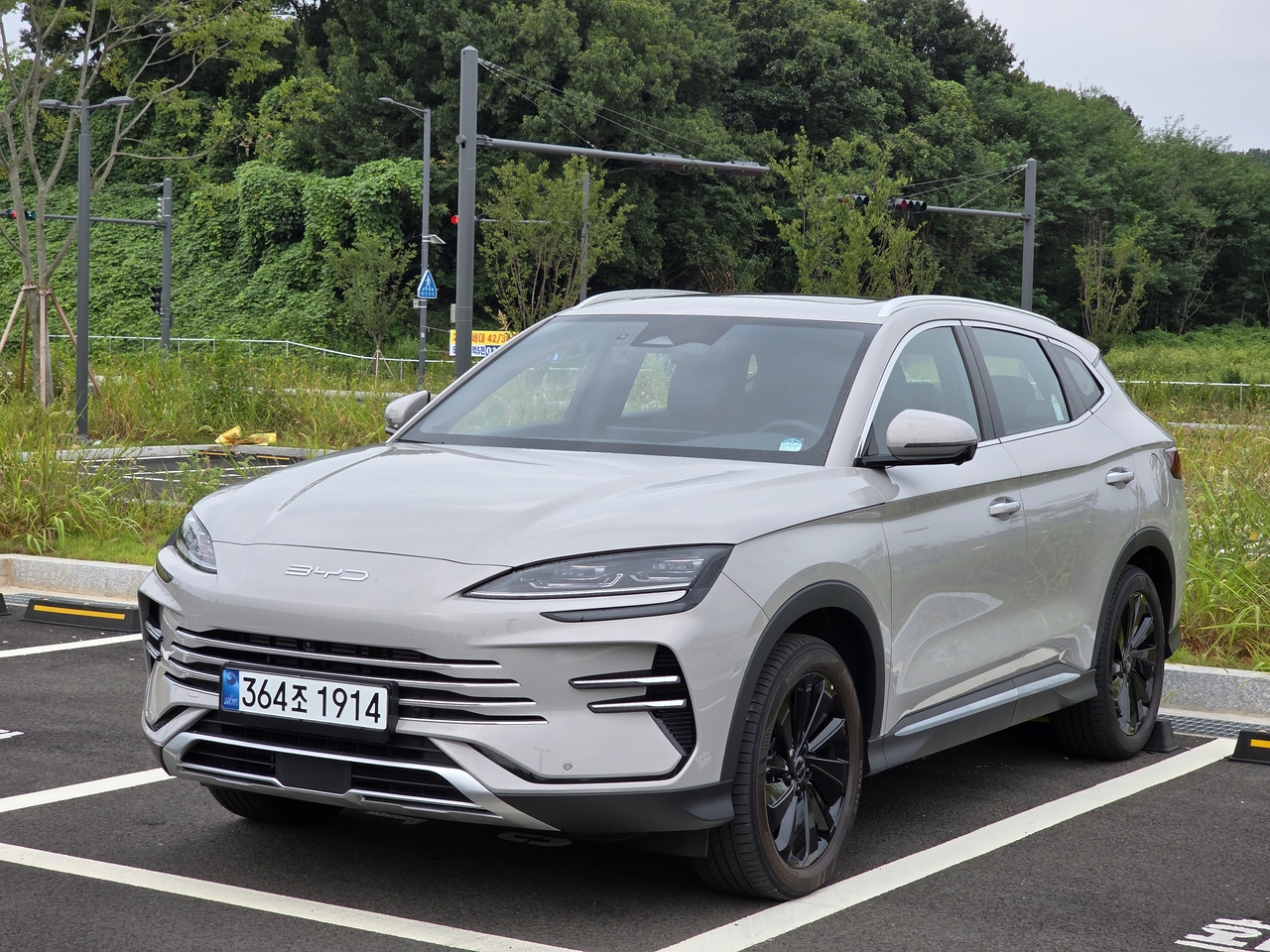
Chinese automakers are rapidly expanding their footprint in South Korea. BYD has sold more than 20,000 vehicles in the domestic market so far this year, accounting for the bulk of Chinese passenger car registrations, while Chinese brands have overtaken Japan in import market share. Meanwhile, Hyundai Motor and Kia have seen their combined monthly sales in China fall below 10,000 units for the first time this year.
According to the Korea Automobile Importers & Distributors Association (KAIDA), BYD registered 20,137 new units in South Korea from January through September. In September alone, the brand ranked fourth among import labels by sales, trailing only Tesla, BMW and Mercedes-Benz.
Electric vehicles drove the growth. The Dolphin electric hatchback and the Sea Lion 7 midsize electric SUV each sold more than 7,000 units. The Dolphin is priced from 24.5 million won ($18,300), while the Sea Lion 7 ranges from 44.9 million to 53.9 million won.
BYD is also broadening its lineup beyond battery-electric vehicles into plug-in hybrids. The company recently launched the Sea Lion 6 DM-i in South Korea and stepped up its marketing push, including television advertising.
BYD's sales surge has lifted the overall profile of Chinese-branded passenger cars in South Korea. From January through September, Chinese brands registered 20,186 new passenger cars domestically. During the same period, China accounted for 7.22 percent of all import car registrations by country of origin, narrowly edging out Japan at 7.21 percent — placing third behind Germany and the United States.
More Chinese automakers are entering the Korean market. Zeekr, the premium electric vehicle brand under Geely Automobile, launched in South Korea this month with the midsize electric SUV 7X as its lead model. Xpeng and Chery Automobile have each established local subsidiaries, and Xpeng has begun recruiting staff to handle its Korea operations.
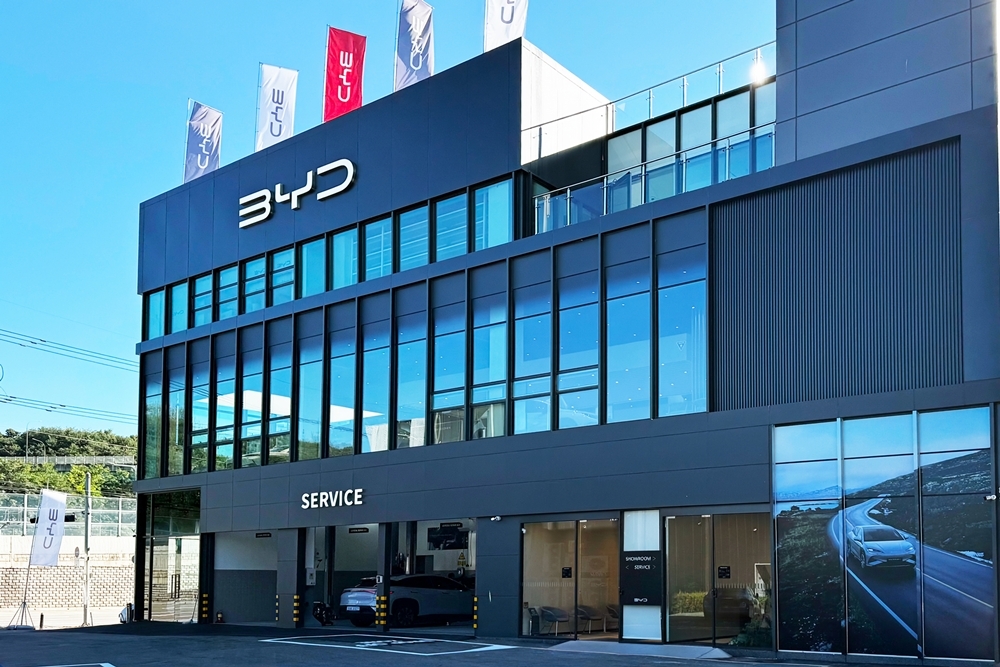
Even as Chinese automakers look outward, domestic demand in China is softening. According to the China Passenger Car Association (CPCA), retail sales of passenger cars in China reached about 1.618 million units in September, down 28 percent from the same month a year earlier.
Hyundai Motor and Kia fared even worse in that contracting market. An analysis of CPCA data by Hana Securities showed that Hyundai Motor's retail sales in China in September came to about 4,000 units, down 47 percent year on year, while Kia sold about 5,000 units, a 31 percent decline.
The two brands' combined sales of about 9,000 units marked a 39 percent drop from a year earlier and fell below the 10,000-unit threshold for the first time this year. Their combined market share was limited to 0.6 percent — a decline 11 percentage points steeper than the overall Chinese passenger car market's contraction.
Hyundai Motor and Kia once held a combined market share of more than 10 percent in China through the mid-2010s, but sales have fallen sharply as the market has shifted toward electric vehicles.
Electric vehicles developed specifically for the Chinese market have also struggled to gain traction. Hyundai Motor's China-specific electric SUV, the Elexio, sold 1,216 units from October through December last year but moved only 251 units in the January–September period this year. The Ioniq V, a China-focused model under the Ioniq brand, sold 558 units last month.
Hyundai Motor plans to introduce 20 new models in China over the next five years and aims to lift annual sales to around 500,000 units.
Meanwhile, CPCA projects that total automobile sales in China this year will reach about 18.5 million units, down 22 percent from the same period last year.
rim@heraldcorp.com




