
Operating profit falls 30.8% quarter-on-quarter
Raw materials, Middle East conflict drag profit down 570 billion won
Sales reach 31.6 trillion won, up 10.1% on-year
Domestic, US market shares hit quarterly records
Kia posted an operating profit of 1.82 trillion won ($1.36 billion) in the third quarter of this year on a consolidated basis, the company disclosed Friday. The figure rose 24.3% from the same period last year but fell 30.8% from the previous quarter. Global wholesale sales grew and US tariffs were reduced, but rising raw material costs and the prolonged Middle East conflict weighed on results.
Sales reached 31.6 trillion won, up 10.1% on-year, while the operating profit margin improved 0.7 percentage points to 5.8%. Compared with the second quarter, however, profitability retreated — sales slipped 4.4% and the operating margin fell from 8% to 5.8%.
Domestic share at 36.8%, US at 5.8% — both quarterly records
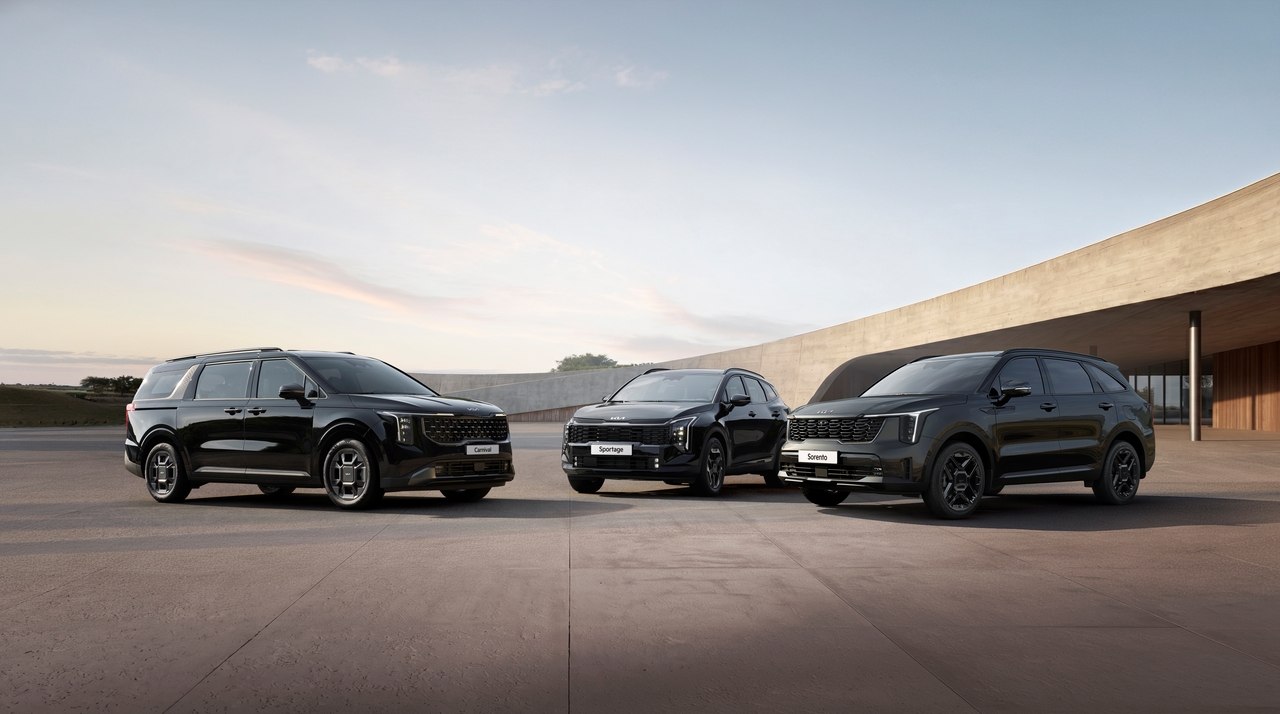
Sales volumes rose across most markets. Global wholesale deliveries in the third quarter reached 847,355 units, up 7.9%, with 141,013 sold domestically and 706,342 abroad. Global retail sales also climbed 6.9% to 829,000 units. Sales in Africa and the Middle East dropped 23% due to the regional conflict, but gains in South Korea, the United States and Western Europe more than made up the difference.
In South Korea, retail sales grew 2.2% to 141,000 units despite a 10.7% contraction in overall industry demand, driven by electric vehicles and the new Seltos. Kia said its domestic market share reached 36.8%, up 4.6 percentage points from 32.2% in the third quarter of last year and a record high on a quarterly basis.
US sales rose 7.8% to 234,000 units, lifted by the Telluride Hybrid and the Sportage and Carnival hybrids. The US market share of 5.8% also set a quarterly record.
In Western Europe, new mass-market electric vehicle models drove sales up 16.9% to 145,000 units, well ahead of the region's overall market growth of 3.5% in the same period. In India, sales jumped 38.5% to 89,000 units, boosted by the new Seltos, Sorento and Syros EV.
Electrified vehicle sales up 47%; hybrids to expand in Q4
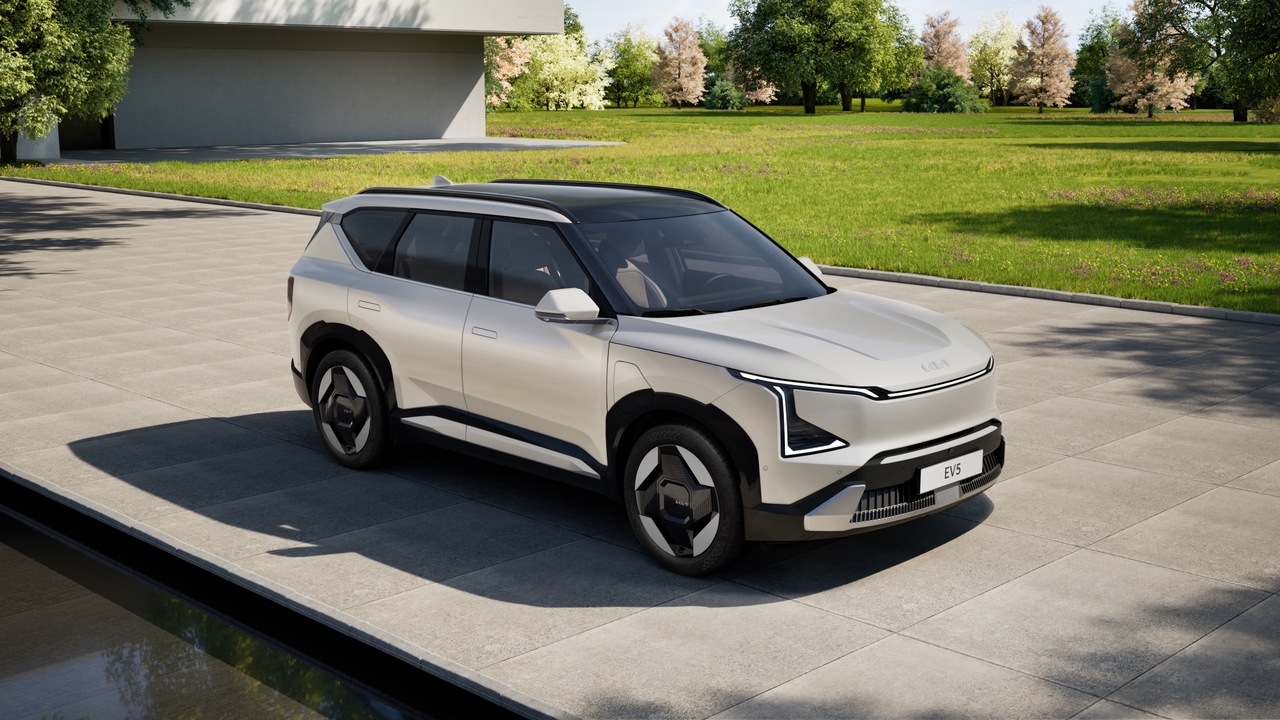
Electrified vehicle sales reached 300,000 units, up 47%, accounting for 36.2% of total sales — a gain of 9.8 percentage points. Electric vehicle sales surged 75.4% to 123,000 units, with 63,000 of those sold in Western Europe, where EVs made up 43.2% of Kia's sales — more than double the 19.2% share recorded in the third quarter of last year.
Hybrid sales rose 46% to 172,000 units. US hybrid sales were particularly strong, jumping 118% to 69,000 units during a period when the broader US hybrid market grew 27%. According to market research firm AutoData, Kia's US hybrid market share reached 10.6%, up 4.4 percentage points from the third quarter of last year. Kia said it was the first time the company had achieved a double-digit share in the US hybrid market since entering it in 2011.
For the fourth quarter, Kia plans to expand sales of high-margin hybrid models in South Korea and the United States. Domestically, the company will focus on the Seltos Hybrid and the Sorento and Carnival hybrids. In the US, Kia will launch the Seltos Hybrid and expand Telluride Hybrid production capacity. In Western Europe, the company aims to grow EV sales 79% from last year and raise the EV share to 33%. In India, Kia has set a sales target of 330,000 units, up 16% from last year.
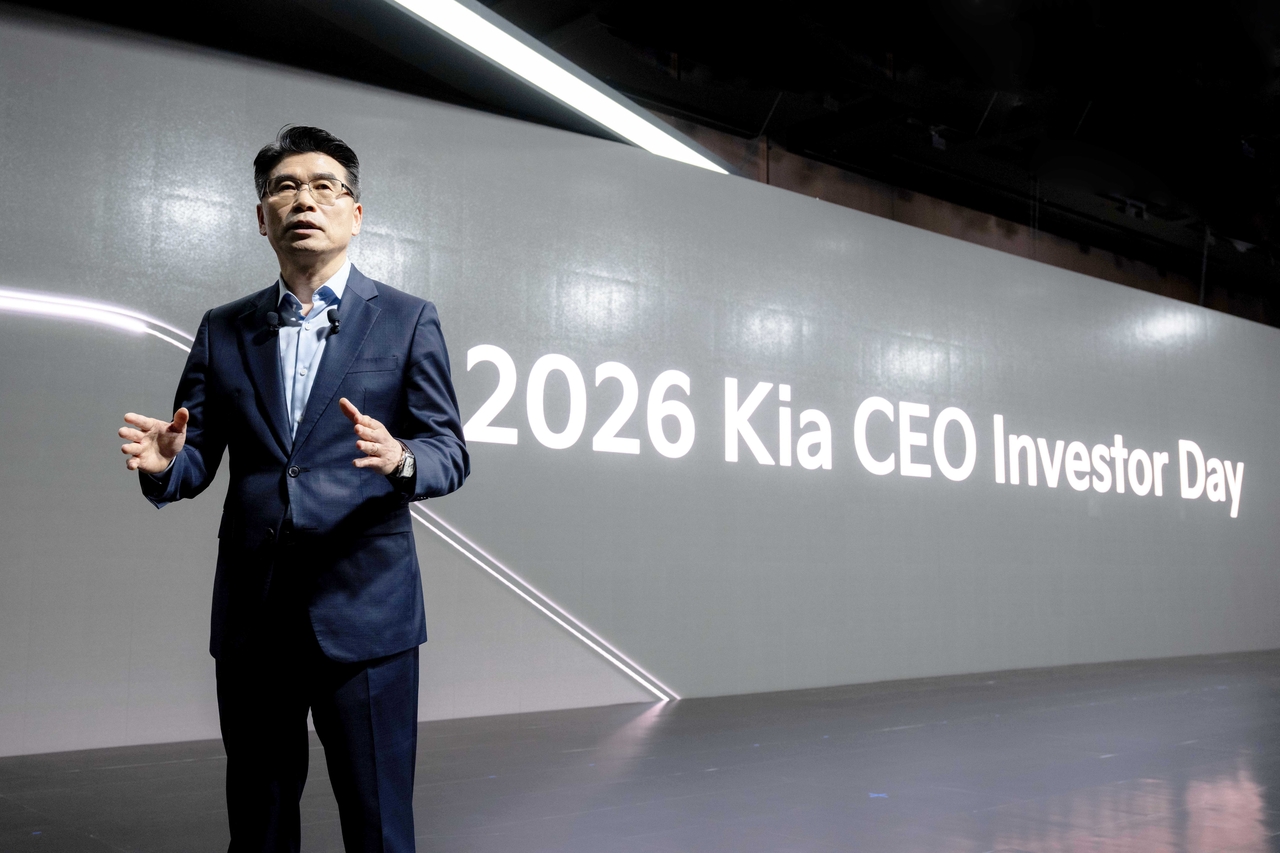
Jeong Seong-guk, Kia's executive vice president for investor relations and strategic investment, said that if external factors such as rising raw material costs and Middle East instability are resolved, "we will rapidly recover profitability on the back of solid competitiveness in our core vehicle business."
EV incentives cut 727 billion won from profit; warranty costs decline
The on-year improvement in operating profit was largely driven by lower US tariffs. After the US government reduced the auto tariff rate from 25% to 15%, Kia's tariff costs fell from 1.23 trillion won in the third quarter of last year to 701 billion won. Volume gains from higher sales added 442 billion won to profit, while a favorable exchange rate contributed another 529 billion won. Kia estimated its operating profit margin would have been around 8% had US tariffs not been a factor.
External headwinds, however, eroded earnings. Rising raw material costs reduced operating profit by 368 billion won, and the prolonged Middle East conflict shaved off another 209 billion won, for a combined drag of around 570 billion won — equivalent to 1.9 percentage points of operating margin. Expanded incentives and lower prices to boost EV sales in Western Europe and South Korea cut an additional 727 billion won from profit.
The cost of sales ratio rose 3 percentage points from the third quarter of last year to 84.1%, pressured by higher incentives and increased material costs. The selling, general and administrative expense ratio fell 3.7 percentage points to 10.1%, helped by a decline in warranty costs.
Compared with the second quarter, the strengthening of the won was the biggest drag. A 5.2% appreciation in the won-dollar rate and a 6.2% rise in the won-euro rate reduced operating profit by 533 billion won. Pricing and mix effects cut a further 266 billion won, while higher material costs trimmed an additional 122 billion won.
"The limited improvement in profitability was largely due to external factors, while our underlying earnings power remained solid," a Kia official said.
eyre@heraldcorp.com




