
Kim Ji-yong calls on acting Prosecutor General Lee Jeong-hyun
'Relationship between the two agencies is very important'
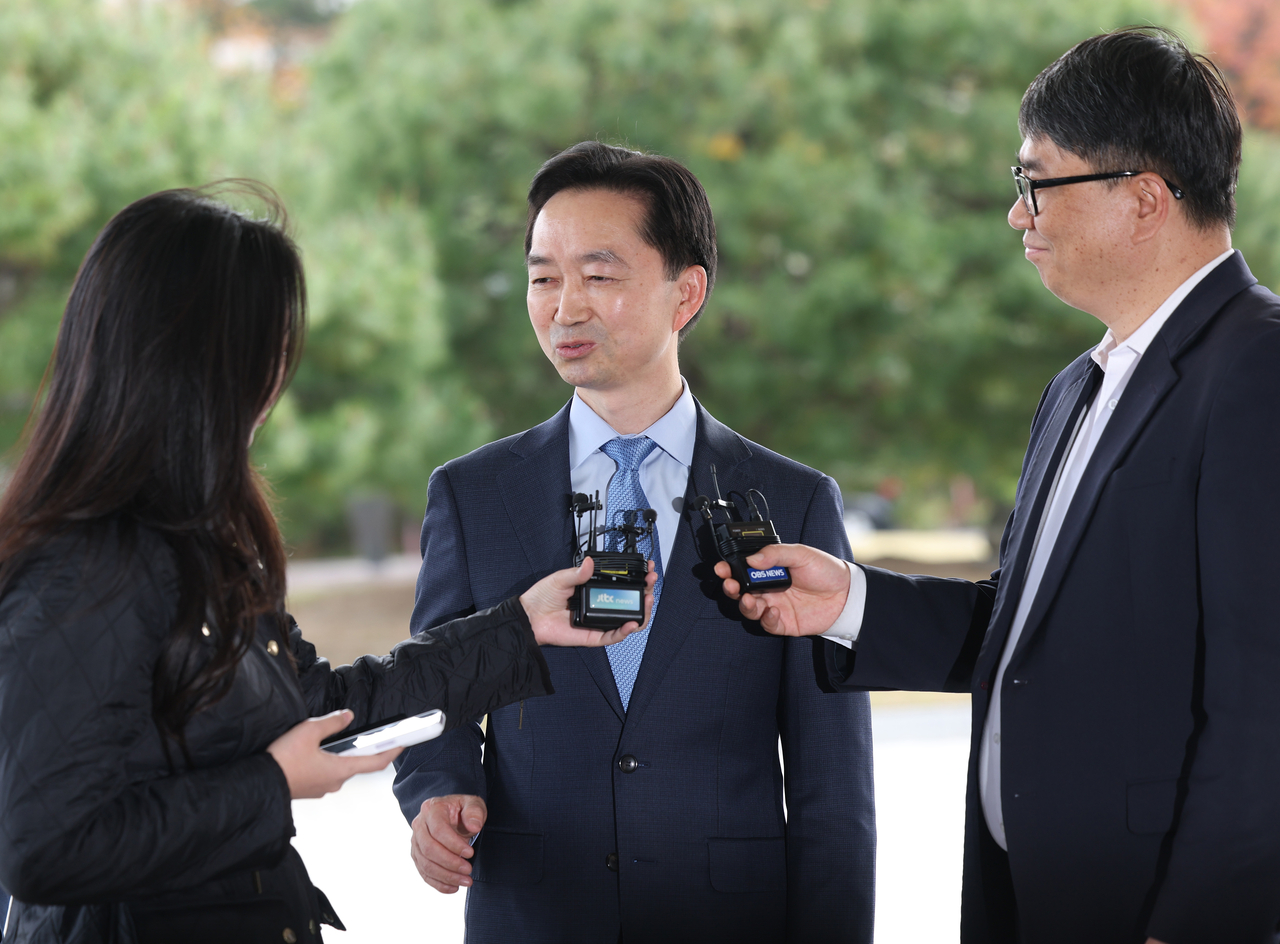
Kim Ji-yong, chief of the Serious Crime Investigation Agency, visited the Public Prosecution Service on Friday to call on acting Prosecutor General Lee Jeong-hyun, stressing that "the relationship between the two agencies is very important."
It was the first time the SCIA chief had visited the prosecution office since the former Prosecution Service was abolished and its investigative and indictment functions were separated into two distinct bodies. The meeting was expected to focus on ways the two agencies could cooperate.
Speaking to reporters as Kim entered the prosecution office in Seocho-gu, Seoul, that afternoon, Kim said, "A new criminal justice system for our people is now in operation," adding, "I believe the relationship between the Public Prosecution Service, which handles indictments and the maintenance of public prosecutions, and the Serious Crime Investigation Agency, which specializes in investigations, is very important."
On the reason for the visit, Kim said the purpose was "to meet with the acting Prosecutor General and discuss a wide range of ways we can cooperate with each other."
When reporters asked how the two agencies planned to work out practical procedures such as case handling, Kim said, "I think it would be a bit premature to go into specifics today," adding that "there will be various avenues for cooperation at the working level." Kim then went inside the building for a closed-door meeting with Lee.
The visit is seen as a significant indicator of how the two agencies will shape their working relationship going forward, as the separation of investigative and prosecutorial functions moves into full operation since both bodies were launched.
The SCIA and the Public Prosecution Service were each established on Oct. 2, following the abolition of the Prosecution Service. Serious crime investigations were assigned to the SCIA, while indictments, the maintenance of public prosecutions and warrant requests were transferred to the Public Prosecution Service.
With investigative and prosecutorial functions now split between two separate agencies, building an effective cooperative framework has emerged as a key challenge. Analysts say the central question is how the two bodies will settle the practical procedures — including requests for supplementary investigations and warrant applications — that arise after the SCIA transfers a case to the Public Prosecution Service.
yg@heraldcorp.com




