
Ruling bloc wins 53 seats, opposition 48 as Netanyahu survives
Arab parties surge to 19 seats, becoming kingmakers
Ultra-Orthodox UTJ weighs break with Netanyahu over military service
Eisenkot seen as likely first pick to form government
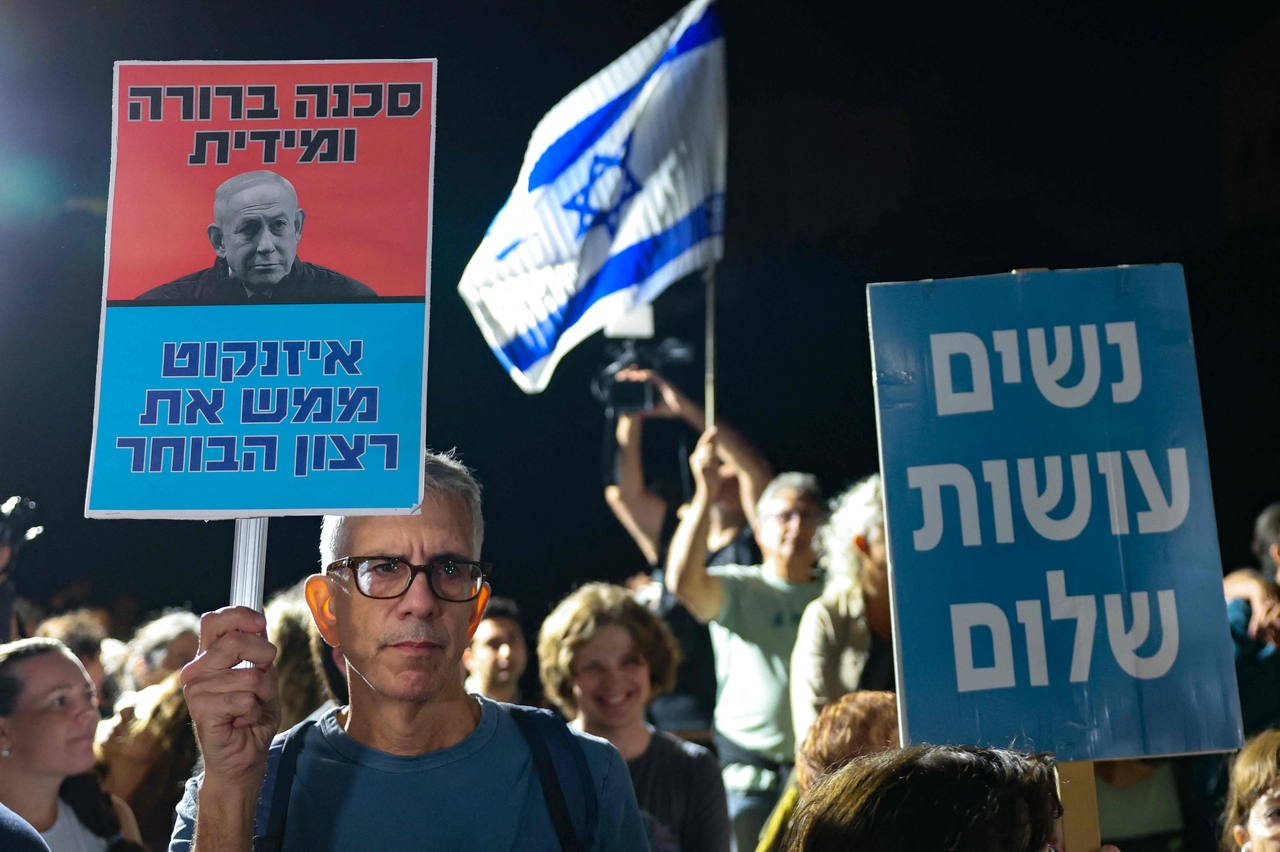
Prime Minister Benjamin Netanyahu's bloc emerged as the largest force in Israel's general election, but neither side secured a majority, leaving coalition talks in doubt. Arab parties made a stronger-than-expected showing, winning 19 seats and positioning themselves as kingmakers. The ultra-Orthodox United Torah Judaism (UTJ) is also weighing a break with Netanyahu, adding another layer of uncertainty to the coalition outlook.
Local media reported Friday (local time) that vote counting completed in the early hours of that day, giving Netanyahu's bloc 53 of the Knesset's 120 seats, the opposition 48, and Arab parties 19.
By party, Netanyahu's Likud took the most seats with 27. Yishar, the party founded by Netanyahu rival Gadi Eisenkot, came second with 21. Together, an opposition party, won 12 seats, followed by the Arab Joint List with 11, the Democratic Party with 8, and the Arab party Raam with 8.
The ultra-Orthodox UTJ, the right-leaning opposition party Yisrael Beiteinu, and the far-right Otzma Yehudit each won 7 seats, while the ruling bloc's Religious Zionism and Shas each took 6.
Although Netanyahu's bloc outpaced the opposition, neither side reached the 61-seat threshold needed for a majority, meaning Netanyahu can only continue as prime minister by assembling a coalition. The bloc campaigned on national unity and halting Iran's nuclear program, but the results — 11 seats fewer than in the election four years ago — reflected a significant voter backlash.
Netanyahu also faces the risk of losing far-right and ultra-Orthodox allies. Channel 12 reported that UTJ is considering a split from Netanyahu's camp. With the prospect of legislating a military service exemption for ultra-Orthodox seminary students — UTJ's top demand — looking increasingly remote, voices within the party are calling for UTJ to keep its options open with the opposition to strengthen its bargaining position.
Ultra-Orthodox, or Haredi, men follow strict Jewish law and tradition, devoting themselves to religious study at yeshivas. They have historically received substantial government subsidies and been exempt from military service. UTJ has long demanded that the exemption be enshrined in law, allowing yeshiva students to continue religious study in place of military service.
The issue has provoked widespread public opposition in a country where women also serve in the military. Israel's Supreme Court ruled in June 2024 that there was no legal basis for blanket exemptions for yeshiva students from conscription.
UTJ had expected Netanyahu to push through an exemption bill, but when legislation stalled, the party left the coalition in July last year. Within UTJ, some voices now favor keeping open the option of negotiations with Eisenkot rather than continuing to back Netanyahu — though that path is also difficult, as Eisenkot's Yishar also opposes military exemptions for Haredi men.
UTJ is weighing several options: joining a coalition directly, or supporting Eisenkot's government from outside the coalition while voting in line with Yishar's positions.
Arab parties are expected to wield the greatest influence over coalition formation. The opposition, though trailing Netanyahu's bloc, could command 67 seats — a majority — by joining forces with Arab parties. The key question is whether right-leaning opposition parties such as Yishar are willing to partner with Arab parties. How far either bloc is prepared to go in negotiating with Arab parties to bring them into a coalition will be decisive.
The National Election Commission said vote tallies could be slightly revised before the legally mandated announcement deadline of Wednesday. Once results are certified, President Isaac Herzog will task the party leader judged most likely to command a majority with forming a government.
Assaf Shapira of the Israel Democracy Institute (IDI), a nonpartisan research body, said Herzog is likely to give Eisenkot the first opportunity to form a government. If Eisenkot receives that mandate, the central decision will be whether to partner with Arab parties to push Netanyahu out, or to join forces with Netanyahu in a national unity government.
If the first attempt fails, the president passes the mandate to the next candidate, with up to three leaders given the chance. If all three fail, a new election must be held. Based on past cases, IDI said coalition formation in Israel has taken anywhere from 20 to as many as 100 days. Netanyahu can remain as caretaker prime minister until a coalition is in place.
kate01@heraldcorp.com




