
- Korea Railroad Research Institute advances 'inboard bogie' for next-generation high-speed trains
- Lighter design, reduced air resistance aim to boost speed and energy efficiency
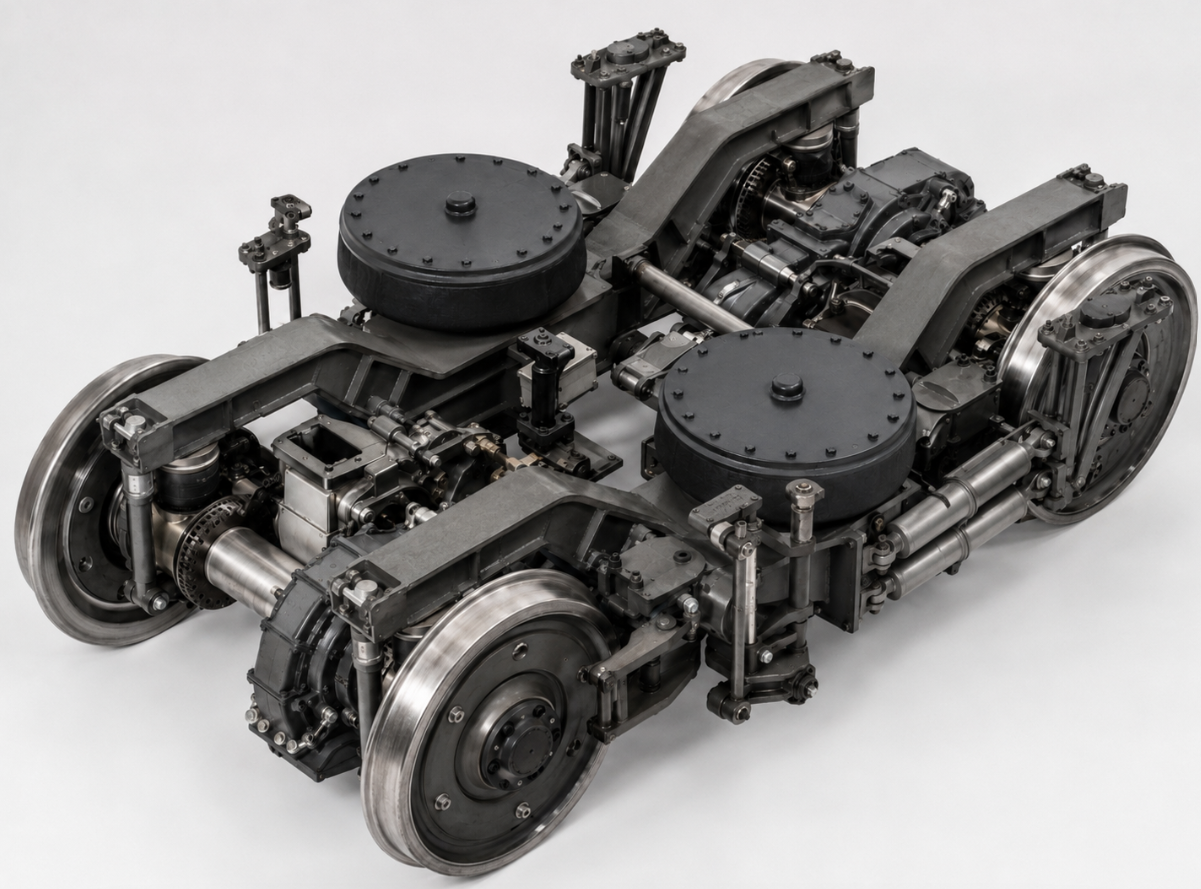
South Korea is accelerating development of a next-generation high-speed train capable of traveling at 400 kilometers per hour — fast enough to cover the Seoul-Busan route in under an hour.
The Korea Railroad Research Institute announced Friday that it had presented the development status and future direction of an "inboard bogie" for next-generation high-speed trains at the 2026 Korea Railway Society Autumn Conference, held Thursday at Phoenix Island in Seogwipo, Jeju.
The inboard bogie is a core running-gear component that connects the wheels and body of a high-speed train. Unlike conventional bogies, it places the axle bearings that support the wheels on the inner side of the wheel, allowing for a smaller and lighter structure.
As a train's speed increases, air resistance and energy consumption rise sharply. Improving airflow beneath the vehicle and reducing weight are essential for achieving ultra-high-speed operation at 400 km/h.
The inboard bogie is considered a key solution to these challenges. Reducing the size and weight of the bogie lowers air resistance and energy consumption while improving high-speed performance. Germany's Siemens has also proposed inboard bogie technology and improved aerodynamic design for its next-generation high-speed train platform, the Velaro Novo.
At the conference, the institute introduced a range of core technologies alongside inboard bogie design and manufacturing, including compact high-output traction motors and electromechanical braking systems.
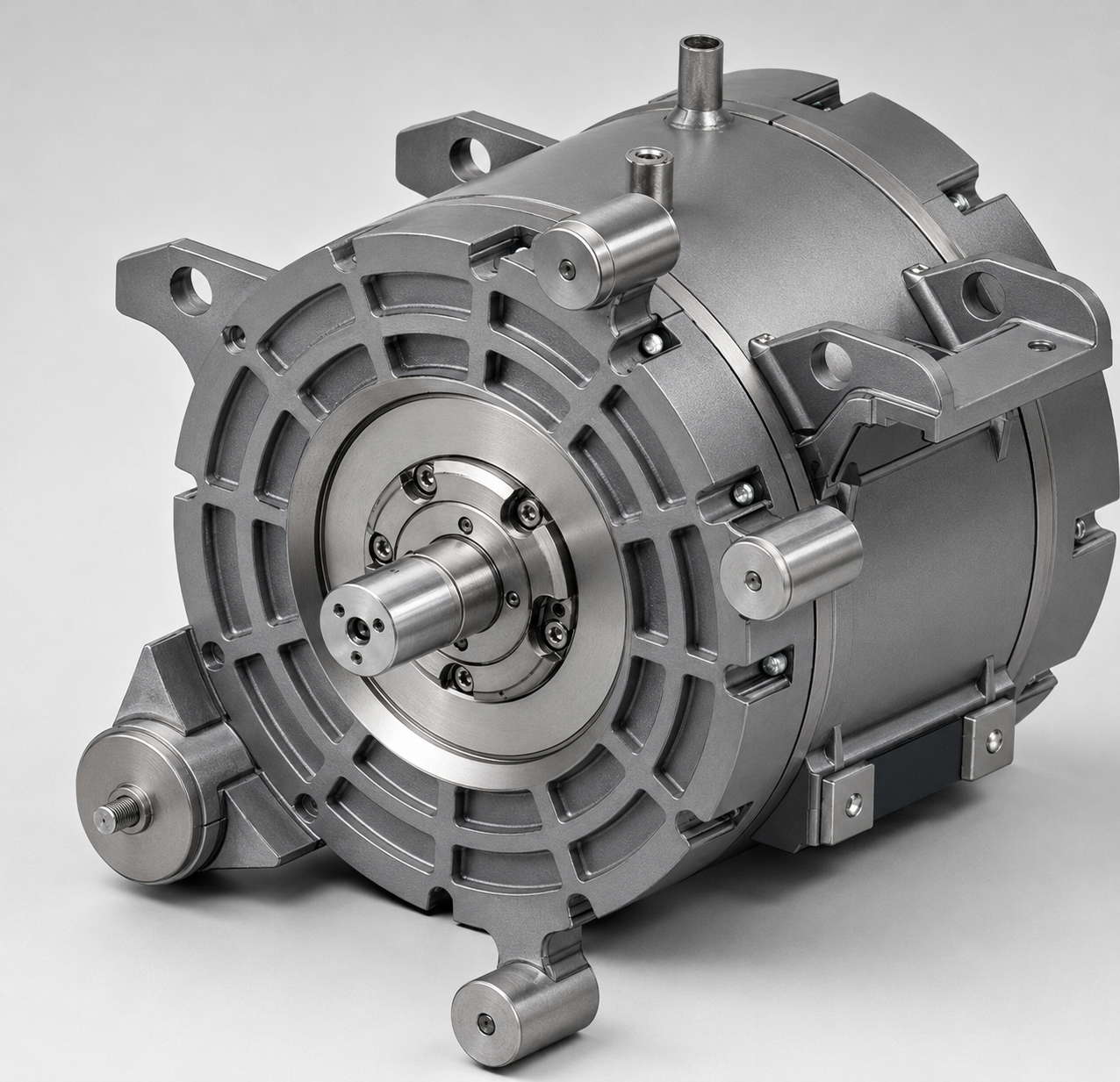
The electromechanical braking system, which generates braking force by combining electrical control with mechanical actuation, is one of the key components of the next-generation high-speed train's braking system.
The institute is currently conducting basic design work on the inboard bogie, optimizing the suspension system and reviewing the bogie frame structure. Design requirements for high-speed power transmission systems and electromechanical braking systems are also under analysis.
The institute plans to build prototypes and verify safety and reliability in stages through static load, fatigue and dynamic performance tests.
The research involves Hyundai Rotem, Yujin Gigong Industrial, the Korea Institute of Materials Science, Korea National University of Transportation and Korail, with the institute leading the consortium.
Sa Gong-myeong, president of the Korea Railroad Research Institute, said the institute's current goal for high-speed rail research is "to secure technological competitiveness for an operating speed of 400 km/h and lead global high-speed rail technology," adding that it would "do its utmost to secure core technologies that simultaneously improve the speed and energy efficiency of high-speed trains through industry-academia-research cooperation."
nbgkoo@heraldcorp.com




