
AI search monetization lags as cash burn mounts; contingent commitments top $98.5 billion
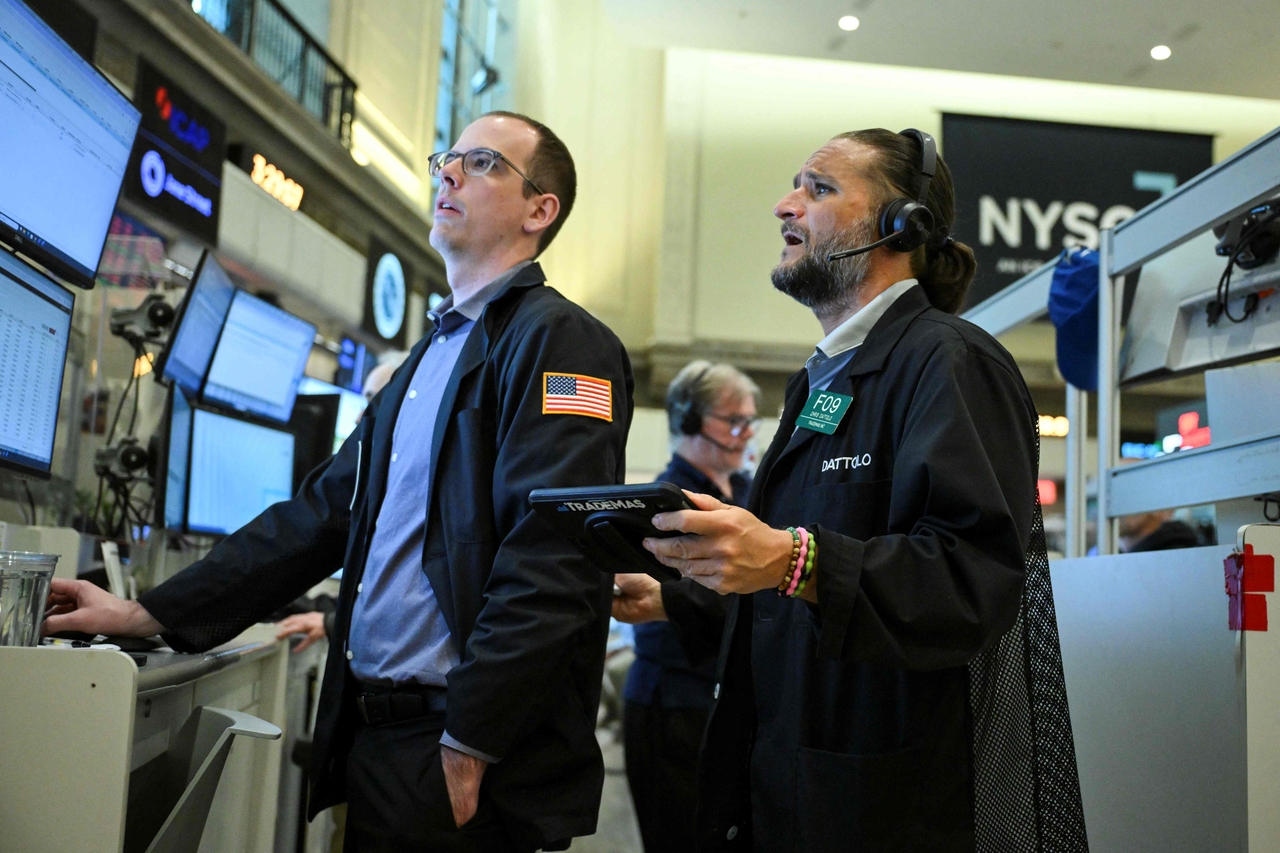
Shares of Alphabet, Google's parent company, suffered their steepest single-day decline since the company's 2004 IPO on Thursday (local time), as investors grew alarmed over sluggish monetization of AI-powered search and the mounting cost of its massive investment push. The selloff wiped out roughly $500 billion (669 trillion won) in market cap in a single session — the second-largest one-day market cap loss in US stock market history.
Alphabet closed down 12.6 percent at $283.82 on NASDAQ, and the slide continued in after-hours trading, where shares fell an additional 0.9 percent.
The roughly $500 billion erased in a single day trails only the $593 billion Nvidia shed in January last year, which remains the largest single-day market cap loss on Wall Street, according to the Financial Times.
The plunge reflected investor concern that Alphabet's core search advertising business had missed market expectations while record-scale AI investment has yet to translate into meaningful returns. Anxiety also grew that AI could cannibalize Google's most lucrative revenue stream — search.
Google Search revenue for the third quarter (July–September) rose 12 percent year-on-year to about $63 billion, falling short of the market consensus of roughly $65 billion. The growth rate of paid clicks on search ads also slowed, from 13 percent in the second quarter to 8 percent in the third.
CEO Sundar Pichai said search query growth was at its fastest pace in five years, but Chief Business Officer Philipp Schindler said AI Mode queries had weighed on revenue because they carry "lower monetization levels."
Investor concern deepened after Alphabet posted a free cash flow deficit of $9.1 billion — the first back-to-back negative quarters since the company's listing.
The quarterly report Alphabet filed that day also disclosed risks that had not surfaced during the earnings announcement.
Separate from more than $1 trillion in purchase commitments and future lease obligations disclosed by Chief Financial Officer Anat Ashkenazi, contingent commitments — liabilities that could be triggered under certain conditions — stood at roughly $98.5 billion, up about $23 billion from the prior quarter, according to Bloomberg.
Google Cloud's order backlog grew to $560.8 billion at the end of September from $513.9 billion three months earlier, but more than a third of that increase — $16.8 billion — came from a multiyear contract with Crux AI, a joint venture Alphabet formed with Blackstone.
Alphabet holds a minority stake in Crux AI and has committed up to $10 billion in data center and energy guarantees. The filing classified the venture as a related party.
The shock rippled across the broader market. NASDAQ fell 1.4 percent, and the Philadelphia Semiconductor Index ended a four-session winning streak, also dropping 1.4 percent.
mokiya@heraldcorp.com




