
Cooper briefs Trump at White House on attack options
Defense Secretary Hegseth, Joint Chiefs Chair Caine present
Pentagon accelerates deployment of air defenses, munitions to Middle East
Vance sends letter to Iran urging resumption of negotiations
Trump's words move global markets and economies. If keeping up with the flood of Trump news feels overwhelming, this daily briefing has you covered — delivering the essential stories, from Wall Street's closing bell to the global asset market moves that matter, in just one minute.
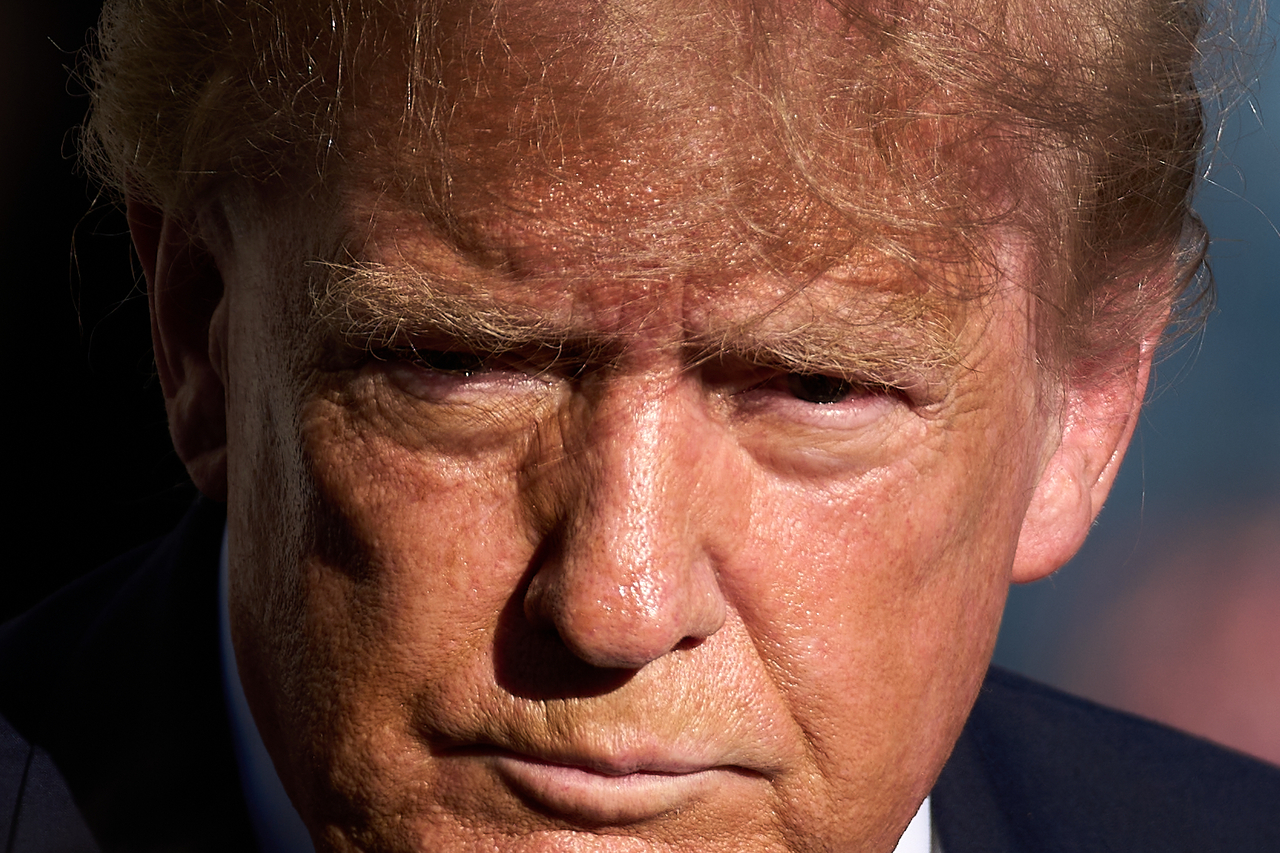
The US military commander overseeing operations against Iran has briefed Donald Trump directly on options for striking the country, raising speculation that a large-scale air campaign may be imminent as the Pentagon accelerates its military buildup in the Middle East.
According to the Wall Street Journal, US Central Command chief Gen. Brad Cooper briefed Trump at the White House on Thursday on military strike options against Iran.
Defense Secretary Pete Hegseth, Joint Chiefs of Staff Chairman Gen. Dan Caine and other cabinet members were also present at the meeting, according to people familiar with the matter.
US officials and others with direct knowledge of the meeting said Cooper personally walked Trump through the military options.
On Thursday, US military generals also met separately with Vice President JD Vance, according to reports.
The Wall Street Journal noted that it is rare for a combatant commander to brief the president directly on military operations, and said the meeting could signal a growing likelihood that the United States will resume large-scale military action.
It was not the first time Cooper has briefed Trump directly on Iran strike options.
Earlier, Cooper briefed Trump aboard Air Force One at Dover Air Force Base in Delaware on July 23, immediately after a ceremony receiving the remains of fallen US service members.
Trump has also repeatedly raised the possibility of further strikes on Iran in recent public remarks.
At a campaign rally in Florida on Saturday, Trump said, "We could do another little 'Operation Mighty Wrath.'"
Operation Mighty Wrath was the name of the US military campaign against Iran. Trump's reference to it was widely interpreted as a direct signal that airstrikes could resume.
The US Department of Defense has also been building up its military presence in the Middle East in recent weeks.
The Pentagon has been sending additional air defense equipment, munitions and supplies to the region, laying the groundwork for a potential new air campaign.
At the same time, some troops have been withdrawn from bases assessed as vulnerable to Iranian retaliation.
The US Army is also repositioning additional Patriot air defense batteries to bolster Israel's defenses.
These moves are seen as preparations for the retaliatory strikes Iran would be expected to launch if the United States attacks.
Iran has said it would respond forcefully if the US resumes military action.
Tehran warned it could strike US military facilities across the Middle East as well as targets in Gulf states allied with Washington, and threatened that American personnel stationed in the region could also be targeted.
Even as it ramps up military pressure, the United States has kept the door open to diplomatic negotiations.
The Wall Street Journal reported that on Thursday, Vance sent a letter to Mohsen Rezaei, secretary of Iran's Supreme National Security Council, at Trump's direction.
Rezaei is considered a hardliner within Iran's political establishment. Vance's decision to write directly to Rezaei is seen as an attempt to restart stalled negotiations between Washington and Tehran.
The Trump administration appears to be using its military preparations for additional airstrikes as leverage to pressure Iran back to the negotiating table.
However, it remains unclear whether Cooper's direct briefing has led to any order to strike. Whether the United States will resume military operations or seek a diplomatic breakthrough remains uncertain.
sjy@heraldcorp.com




