
Restaurants charge extra fees to let diners skip the queue
Clinics offer priority appointments for up to 1,000 yen
Fast-pass system now adopted at 111 restaurants nationwide
Nearly half of Japanese in their 20s have paid to save time
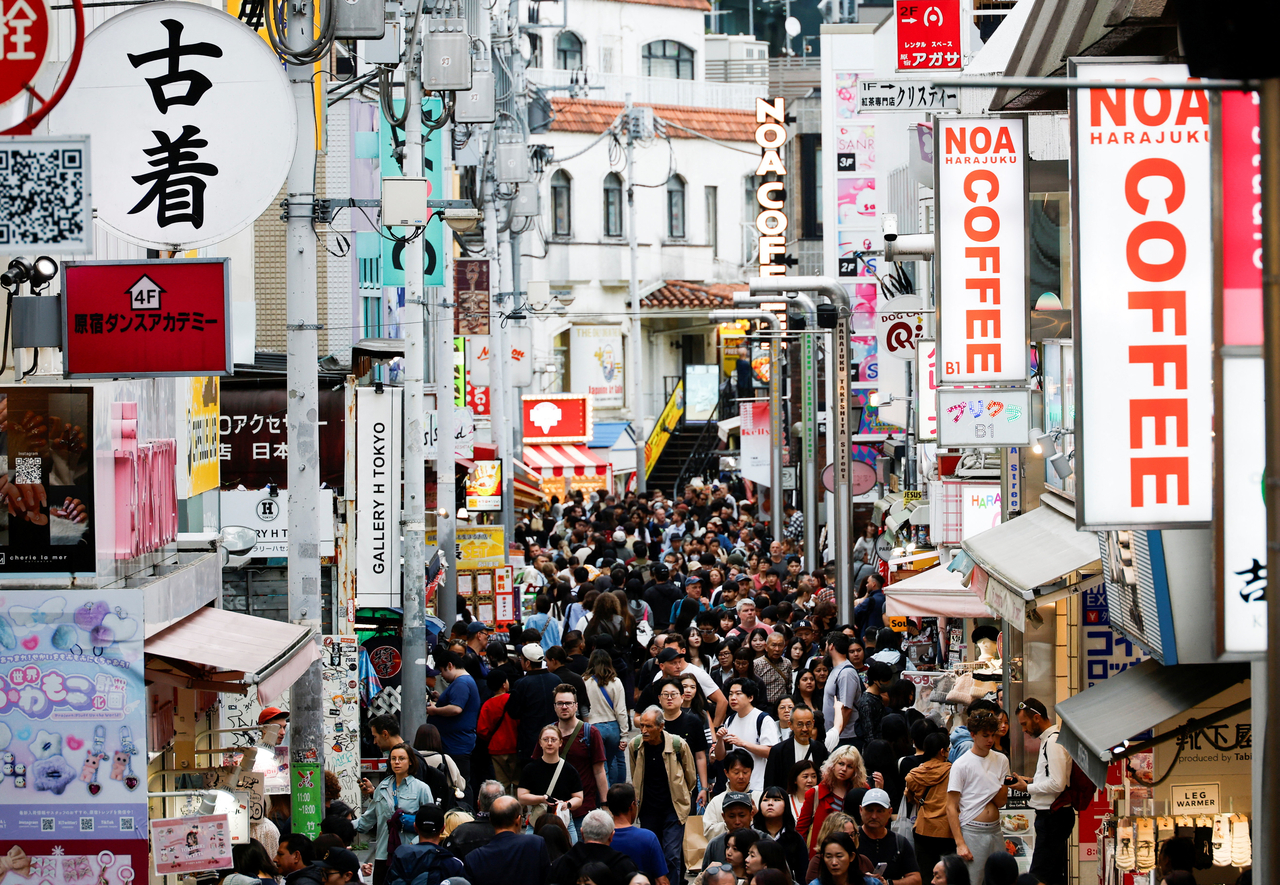
A worker in their 20s paid an extra 750 yen ($5) at a ramen restaurant in Tokyo to skip ahead of 15 people already waiting in line. The scene reflects a broader shift in Japan, where the fast-pass culture once confined to amusement parks is spreading to restaurants and medical clinics — and paying to save time is becoming the norm.
Tokyo Ramen Yokocho, a ramen arcade in the underground shopping area near Tokyo Station, operates a priority-entry system that lets customers bypass the queue for an additional fee, according to the Tokyo Shimbun on Thursday.
Customers can purchase a "priority entry ticket" on the restaurant's website. Prices start at 500 yen ($3.40) per person and vary depending on how crowded the venue is.
A man in his 20s who spoke with the Tokyo Shimbun recently said he bought a ticket for 750 yen and was seated ahead of 15 other customers who had been waiting before him.
Similar services have emerged in tourist-heavy areas as well.
A restaurant in Mihama, Aichi Prefecture, introduced a priority-entry system last year. The eatery, known for its pot-cooked rice dishes with ocean views, draws such crowds that weekend wait times regularly stretch to two hours.
"Customers who spend less time waiting have more time to visit tourist attractions or souvenir shops," the restaurant operator said. "It can also help stimulate the local economy."
The fast-pass system used by these restaurants was developed by Japanese company Suisui. Since launching the service in October 2023, the system has been adopted at 111 locations across Japan.
The pay-to-skip trend is also spreading to medical clinics.
Medical startup Myshin has operated a service called Kuron Smart Pass since February last year, allowing patients to pay a separate reservation fee on top of their consultation fee in exchange for priority appointments.
The reservation fee ranges from 500 to 1,000 yen ($3.40 to $6.80), with individual clinics and hospitals setting their own rates.
However, to limit complaints from regular patients, only a portion of total patients are allowed to use the service at any given time.
"It is mainly used by people who cannot make their children wait long, or those who have personal circumstances that leave them with little time," Myshin said.
Fast passes were originally introduced at amusement parks as a way to reduce wait times. Tokyo Disneyland sells a "Disney Premium Access" add-on that lets visitors pay several thousand yen per ride to shorten their wait.
Increasingly, however, consumers are willing to pay extra to save time not just at theme parks but in everyday life.
A survey by Japanese watchmaker Seiko found that 32 percent of respondents said they had paid for a fast-pass-style service to cut down on waiting time.
Among respondents in their 20s, that figure reached 47.5 percent — meaning nearly one in two young people have paid extra to avoid a wait.
The Tokyo Shimbun described the trend as a sign that consumers who prioritize time efficiency now have new options available to them.
"More people feel burdened by waiting itself and think they are losing out if they are not making the most of every moment," said Hirose Ryo, a researcher at the NLI Research Institute.
A Suisui representative said the company wants to establish "a culture of buying time even at restaurants where waiting was once taken for granted."
sjy@heraldcorp.com




