
2027 R&D priorities and key policies presented at national seminar
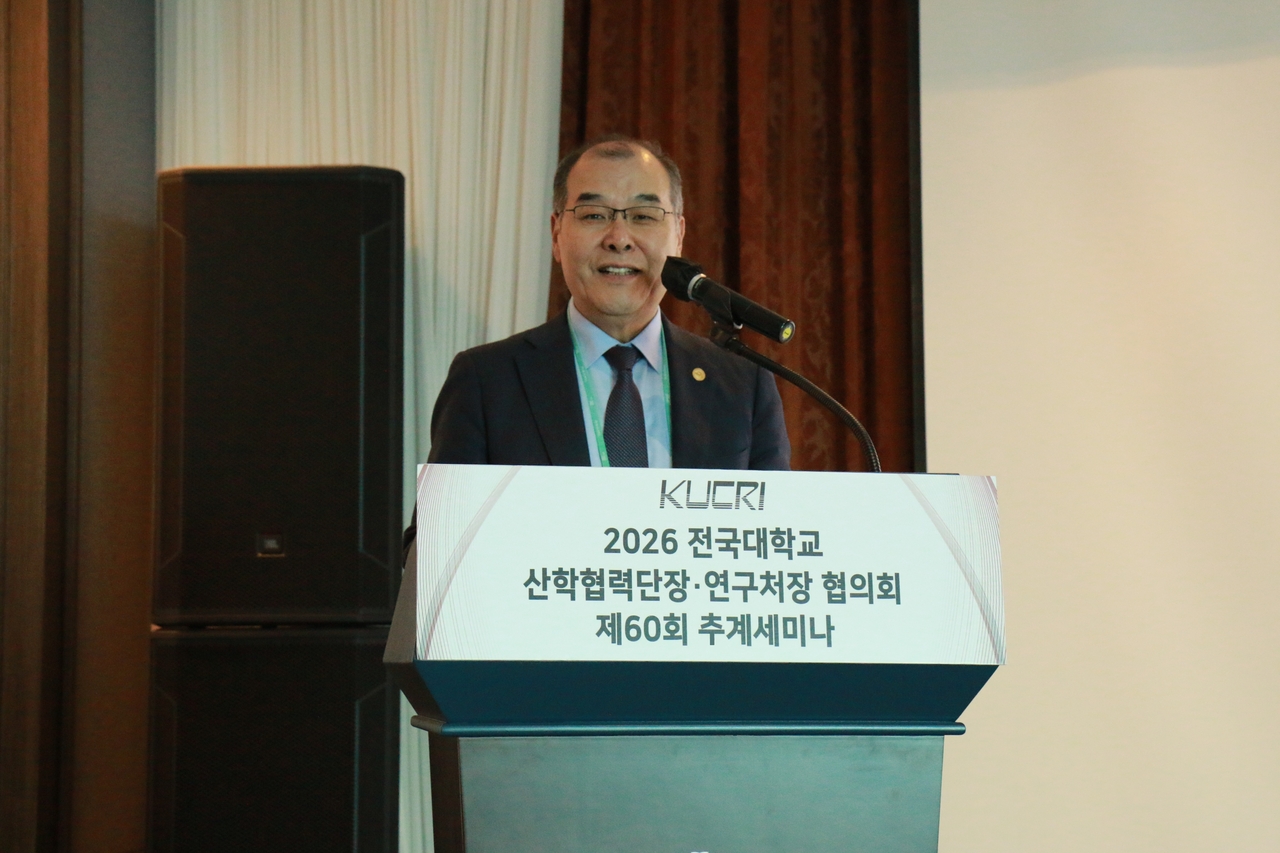
The National Research Foundation of Korea has shared its direction for national research and development next year with universities across the country, stepping up communication to improve key systems governing research funding management and research ethics.
The foundation said it participated in the 60th National University Industry-Academia Cooperation Directors and Research Affairs Directors Council Autumn Seminar, held Wednesday and Thursday, to present its major R&D project priorities and research support policies for 2027.
The seminar brought together industry-academia cooperation directors and research affairs directors from universities nationwide to discuss ways to advance university-industry collaboration and the direction of national R&D policy.
The foundation outlined its 2027 R&D priorities, key policy trends related to research funding and research ethics, and major initiatives in the academic promotion sector.
The foundation also shared the direction of programs drawing strong interest from universities — including university fiscal support projects, the Global Leading Research Center program (G-LAMP) and the Brain Korea 21 project. The aim is to help universities prepare in advance for next year's research support programs and pursue R&D activities in a more systematic way.
The foundation held a meeting with the council in September as well, introducing major improvements to this year's research funding system.
Hong Won-hwa, president of the National Research Foundation of Korea, said universities are "the core actors driving national R&D and academic advancement," adding that the foundation would "listen more closely to the voices of universities in order to bring about changes that researchers can actually feel."
Hong said the foundation would "carefully examine the difficulties faced on the ground and actively reflect diverse opinions in the operation of research support programs and systems," invoking the Korean expression "uwomyeonhyeondap" — the idea that the answers to our problems lie in the field.
nbgkoo@heraldcorp.com




