
IBM connects two 120-qubit chips with four cables
Average fidelity of 99% for quantum information transfer between chips
Findings published as preprint ahead of peer review
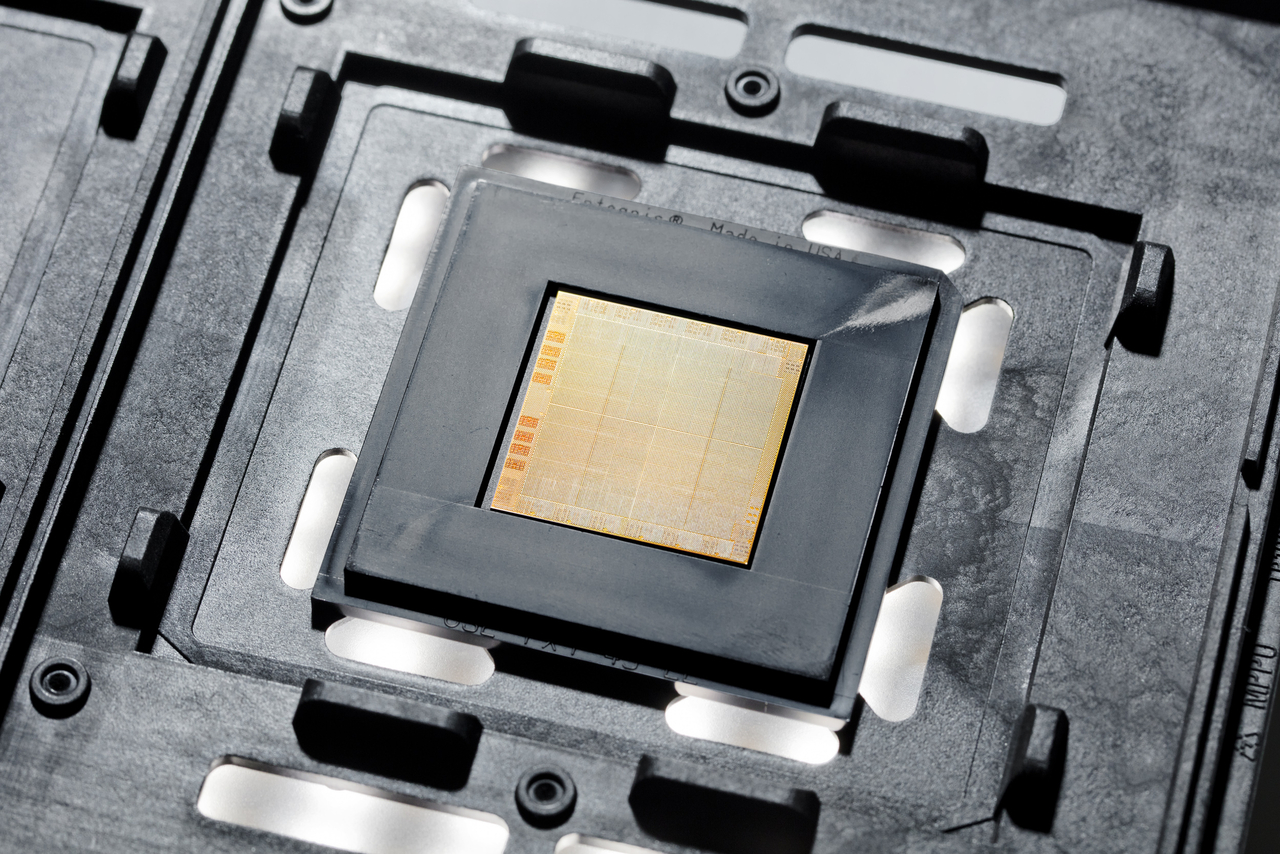
IBM has connected two quantum computing chips with an 80-centimeter cable and successfully performed quantum operations across both chips.
Quantum computers become capable of more complex calculations as the number of qubits — the basic unit of quantum information — increases. However, there are limits to how many qubits can be packed onto a single chip, making a "modular" approach — linking multiple chips to function as one large quantum computer — an increasingly attractive alternative.
The challenge is that quantum information is extremely fragile and can break down from even the slightest disturbance. Preserving that information intact as it travels through the cable connecting two chips is the central technical hurdle.
IBM researchers recently posted results on arXiv, a preprint server, showing they had successfully connected two 120-qubit quantum chips via cable.
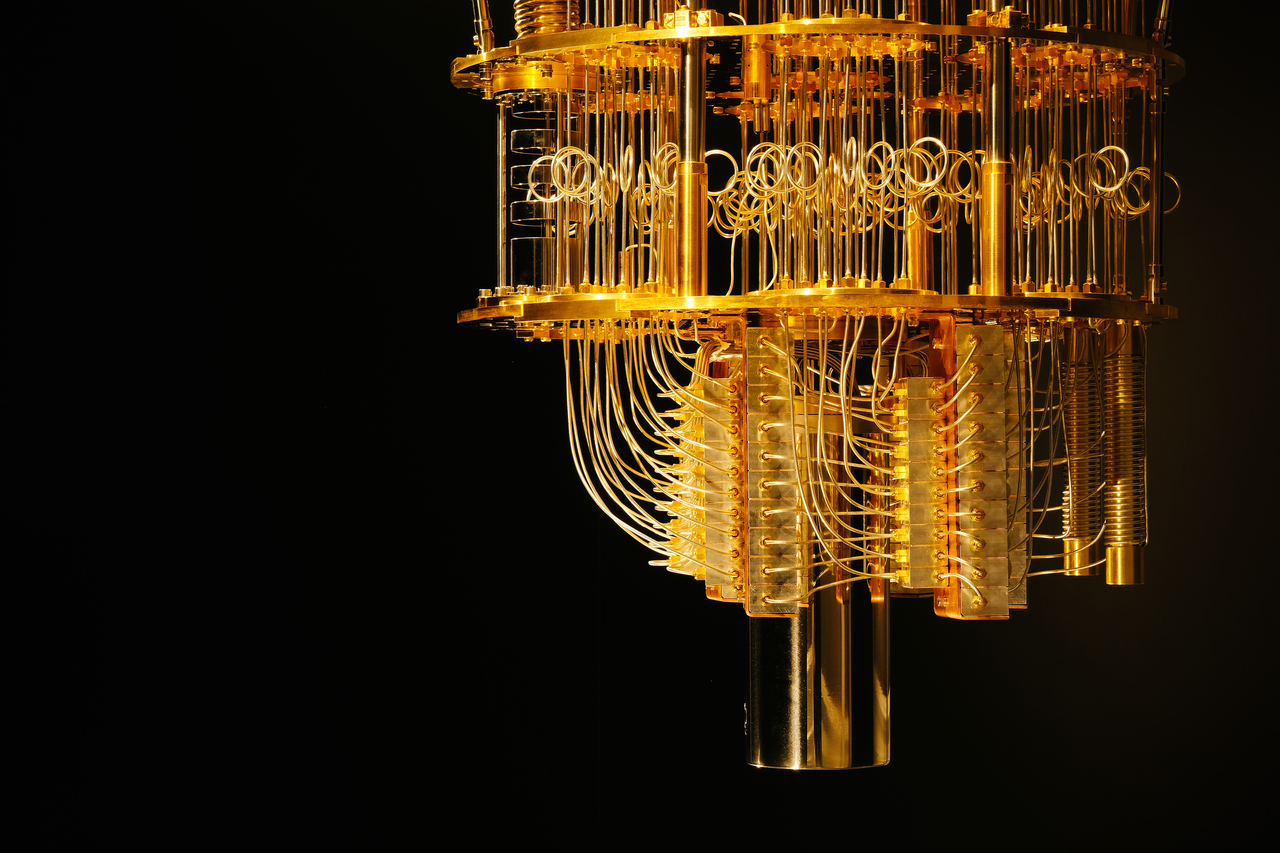
Connecting qubit chips with superconducting cables
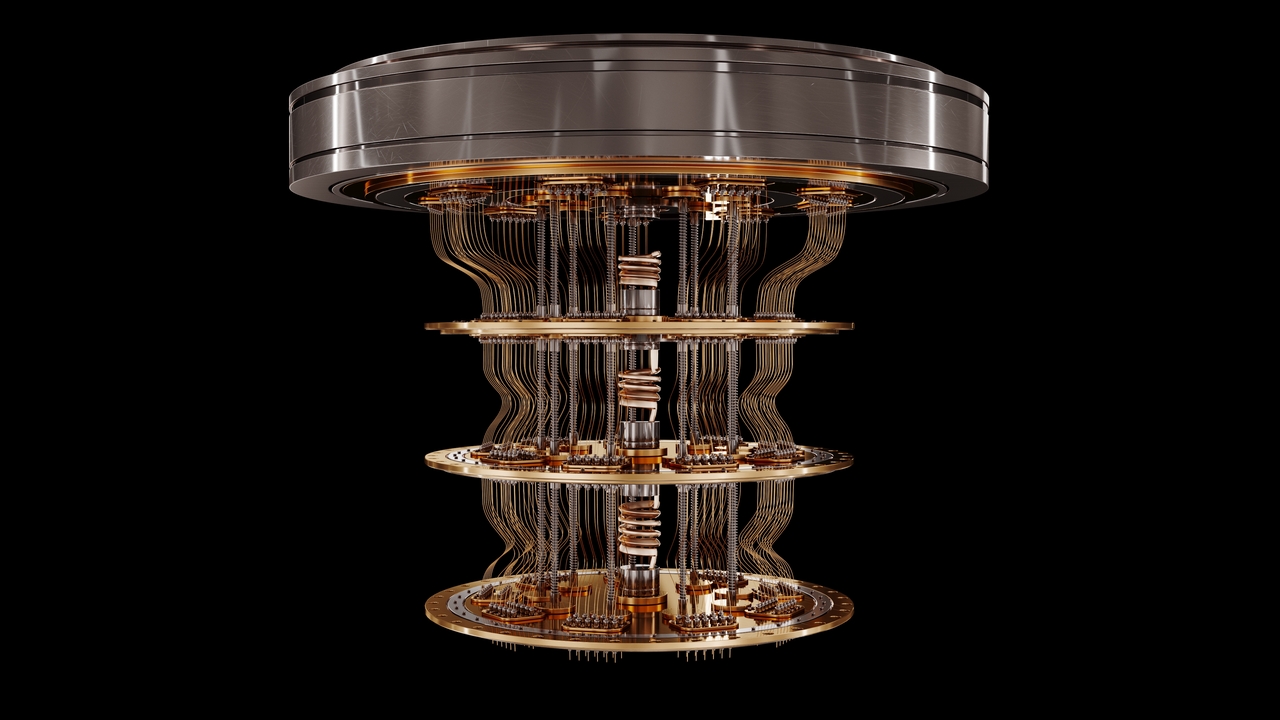
The IBM research team linked two of its 120-qubit "Nighthawk" quantum chips using four strands of 80-centimeter superconducting aluminum cable.
Superconductors are materials that lose all electrical resistance at extremely low temperatures, which helps minimize the loss of quantum information as it passes through the cable.
The team chose to insert the cables vertically into the chip surface. Before, cables had been connected one by one along the sides of chips — a method that was unstable and made it difficult to attach many cables at once. The vertical approach allows cables to be densely packed across the top of the chip.
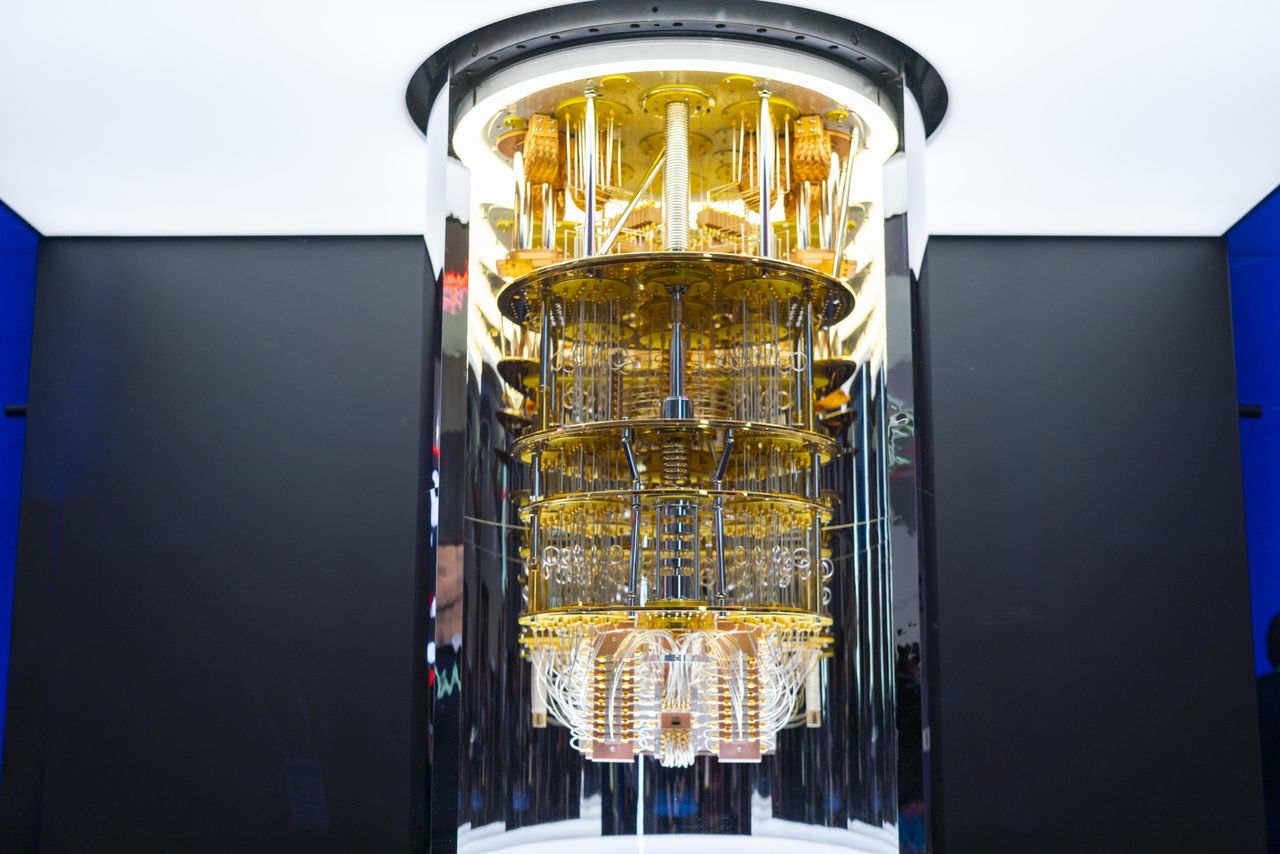
Even after the cooling system was warmed up and cooled back down three separate times, the junctions between the superconducting cables and the qubit chips continued to function without any need for adjustment. Quantum computers operate at temperatures near absolute zero, meaning components can only be repaired or replaced after the entire system is warmed up and then cooled down again.
The research team noted in the paper that "modular quantum computers must be cooled, warmed, and repaired multiple times over their operational lifetime, so the ability to withstand that process without intervention is a prerequisite for practical use."
The team also identified a new problem during the connection process: when a magnetic field was present as the cable cooled into its superconducting state, cable performance dropped sharply — and did not recover even after the magnetic field was removed once cooling was complete. The researchers solved the problem by wrapping the cables in a double-layer magnetic shield.
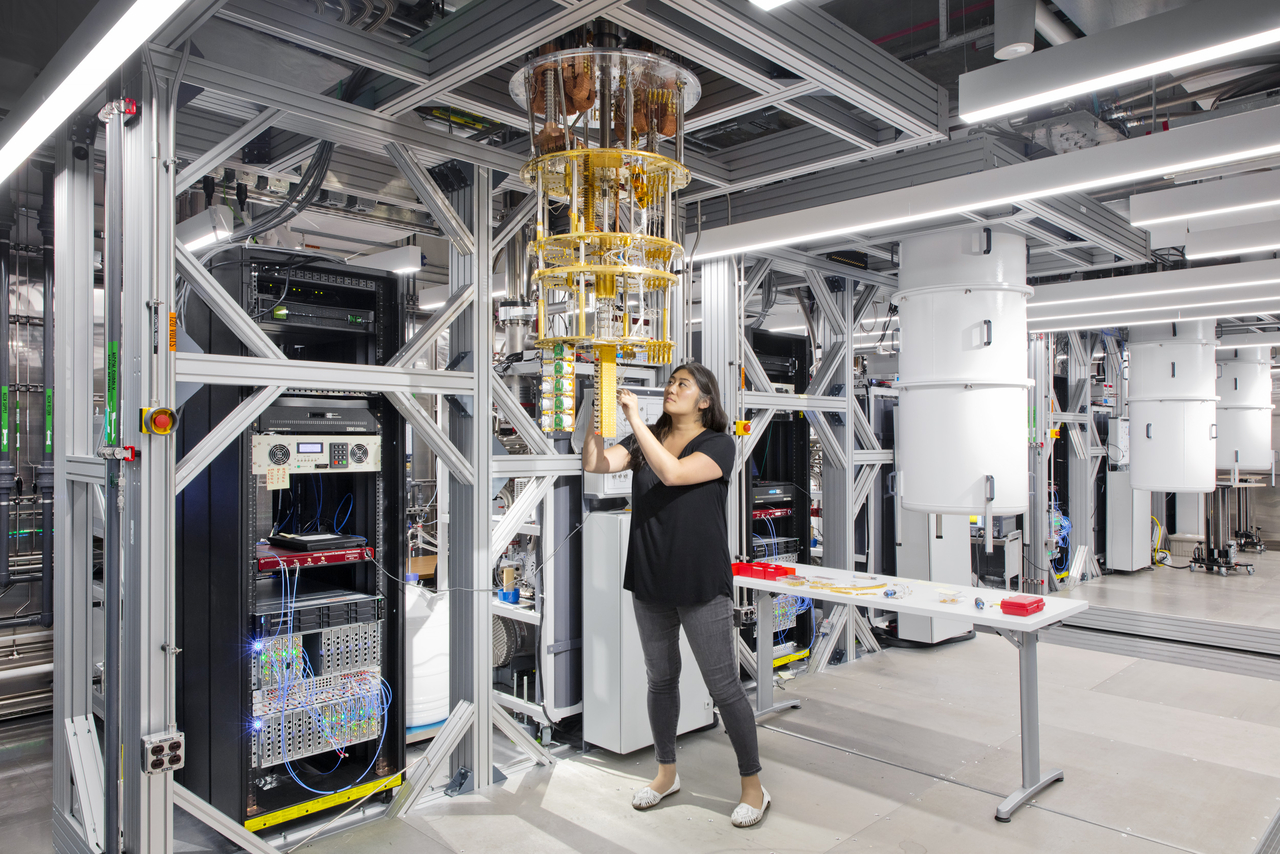
Average fidelity of 99% for quantum information transfer
The team conducted experiments transferring quantum information from one qubit chip to another via the cable. The average fidelity across the four superconducting cable strands was 99.00 percent, with the best-performing strand reaching 99.29 percent.
In experiments where qubits on different chips performed operations directly with each other, average fidelity was 94.75 percent, with the best case reaching 96.42 percent. The team also successfully generated quantum entanglement states spanning both chips.
Quantum entanglement — in which distant qubits become linked and behave as one — is a cornerstone of quantum computing.
The team wrote in the paper that "these results, demonstrating four high-fidelity inter-chip connections, point to a practical path for scaling modular quantum computers."
However, the fidelity of cross-chip operations still falls short of operations performed within a single chip. The researchers said they had skipped some fabrication steps that would have improved qubit performance in order to accelerate development.
The paper has not yet undergone peer review and was published as a preprint. Papers published in academic journals typically go through peer review, in which experts in the same field assess whether the experimental methods, data, and conclusions are sound — a process that can result in revised findings or outright rejection.
ArXiv, the preprint server where the paper was posted, was created to allow researchers to share findings quickly. It checks only that submissions fall within the appropriate subject area and does not verify the accuracy of the content.
All authors of the paper are affiliated with IBM, and no independent external verification has yet been conducted.
Reference
DOI: 10.48550/arXiv.2610.29986
Paper information: N.M. Sundaresan et al., Meter-scale quantum interconnects between large quantum processors, arXiv:2610.29986 (2026).
dbsdn1110@heraldcorp.com




