
Buddhist Museum of Korea presents 'Dongja Donghaeng: A World Within a Small Body'
Largest-ever exhibition on the subject features six national treasures
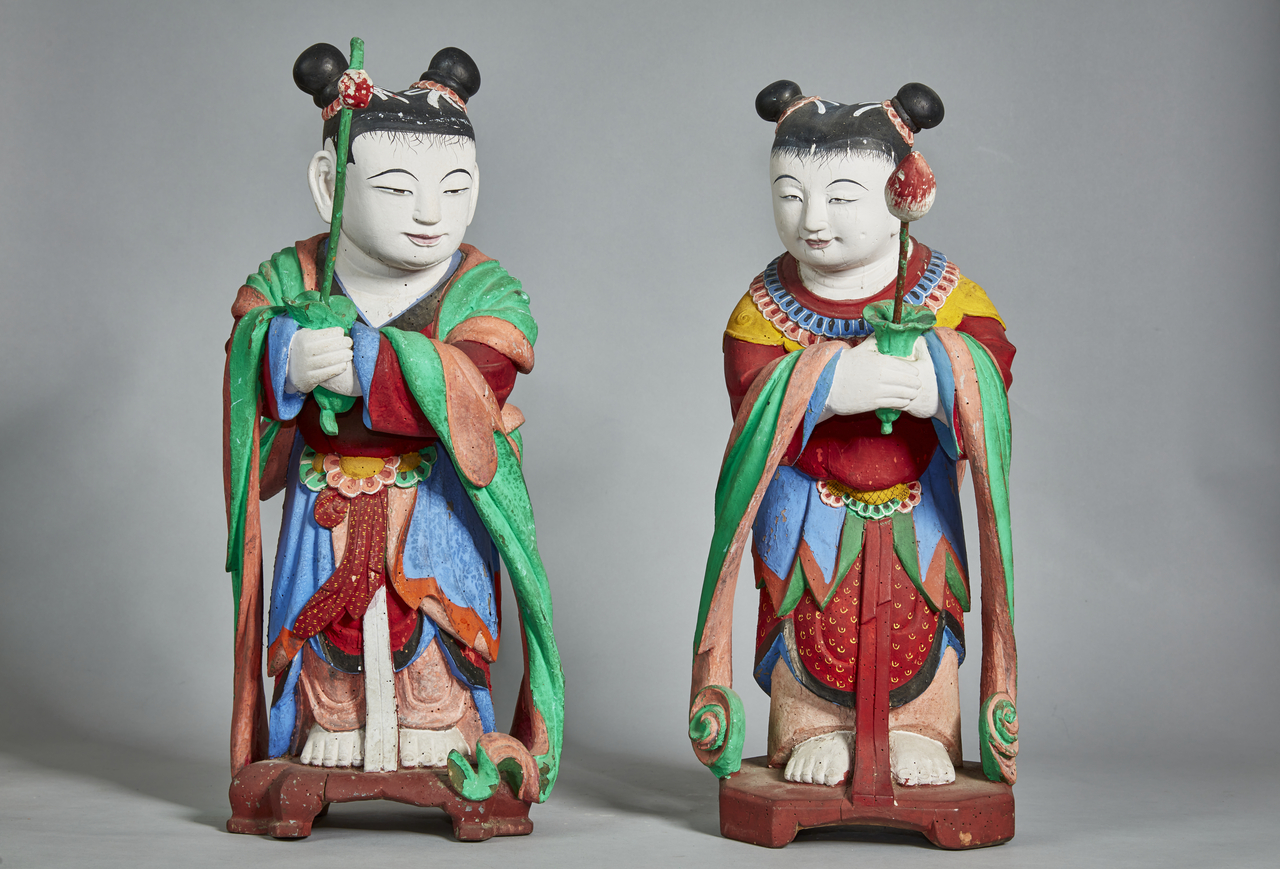
The largest exhibition ever devoted to the dongja — the boy attendant figures who have stood beside buddhas and bodhisattvas throughout Buddhist cultural heritage — opens Thursday.
The Buddhist Museum of Korea, run by the Jogye Order of Korean Buddhism, will hold the special exhibition "Dongja Donghaeng: A World Within a Small Body" from Thursday through Feb. 28 next year.
Organized to shed new light on the varied roles and meanings of the dongja, long overshadowed by the principal figures in Buddhist statues and paintings, the exhibition brings together 93 works across 47 items from temples nationwide, including six national treasures. It is the largest exhibition on the dongja theme ever mounted.
Among the highlights making their museum debut are several nationally designated treasures: the wooden Namsun boy attendant statue and the wooden maritime dragon king statue from Heungcheonsa temple, the wooden Sudhana boy attendant statue from Sangwonsa temple, and the wooden boy attendant statue from Chiljangsa temple.
In Buddhist tradition, the dongja appears as a seeker of truth on a spiritual quest and as a servant attending buddhas and bodhisattvas. At times, the figure also assists in the underworld — recording the good and evil deeds a person committed in life, or helping to weigh the burden of karma.
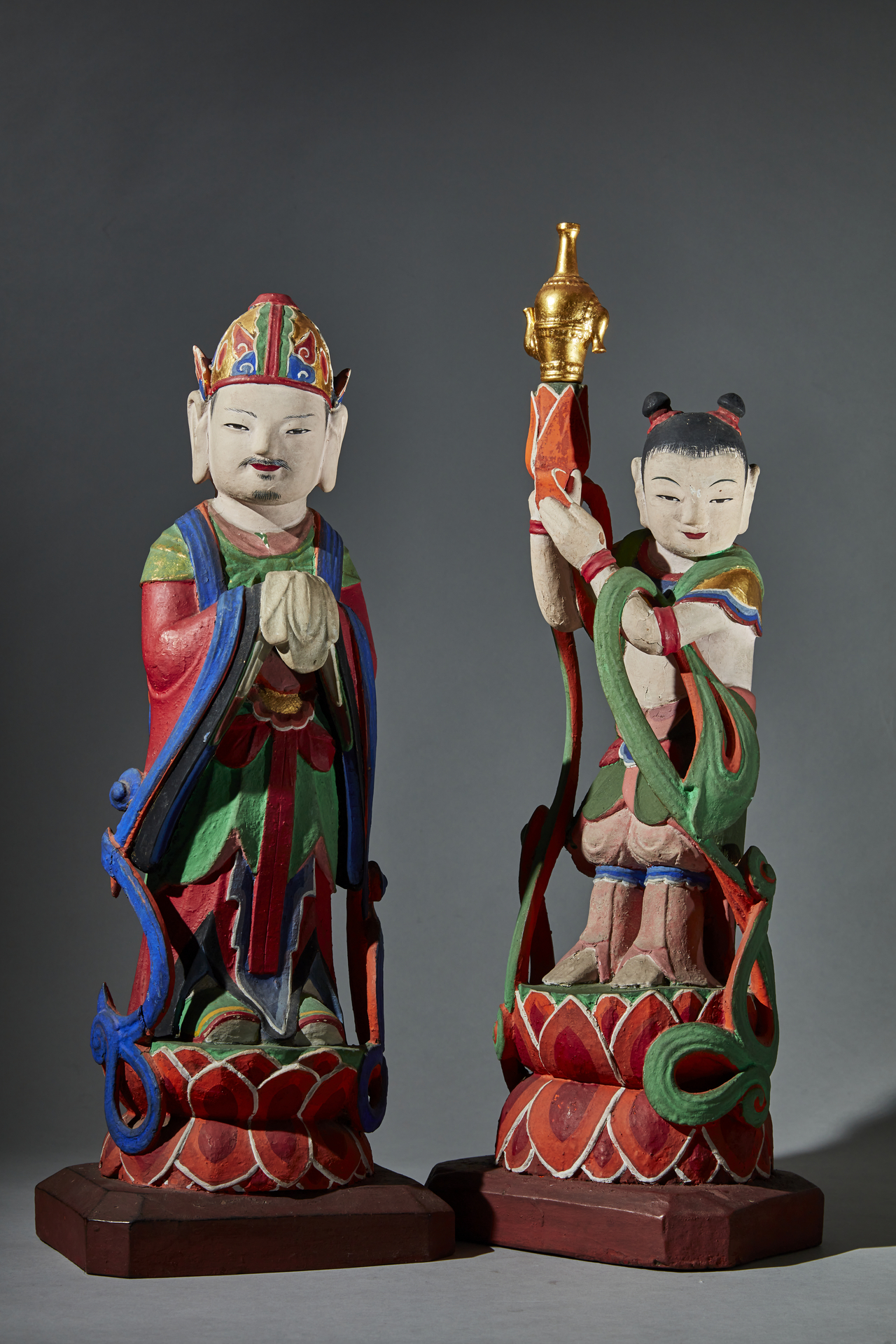
The exhibition is organized into four sections based on the dongja's appearance and role.
The first section, "A Pure Journey Walking the Path of Enlightenment Together," opens with the story of Seolsan Dongja from the Mahaparinirvana Sutra and explores the boy attendant's spiritual aspiration and the meaning of awakening.
The second section, "The True Self That Sudhana Found on the Road," traces Sudhana's journey as the figure seeks out various spiritual teachers, learning from them and putting their teachings into practice.
The third section, "Saint and Servant: Offering and Practicing Together," presents the dongja as attendant to arhats, solitary saints and mountain spirits.
The fourth section, "Two Hands in the Underworld: Reporting Good and Evil," introduces the dongja's role in examining and recording the deeds of the deceased.
A museum official said the exhibition was intended to offer visitors "a moment of dongja companionship — a chance to pause amid busy daily life, reflect on oneself, and rediscover the value of learning, practice and new beginnings."
pink@heraldcorp.com




