Seoul sale prices up 0.09%, narrowing from prior week
Gangnam -0.38%, Seocho -0.35%; Seongbuk-gu rises 0.39%
Yeongtong, Gunpo up 0.58%; Seoul jeonse prices also accelerate
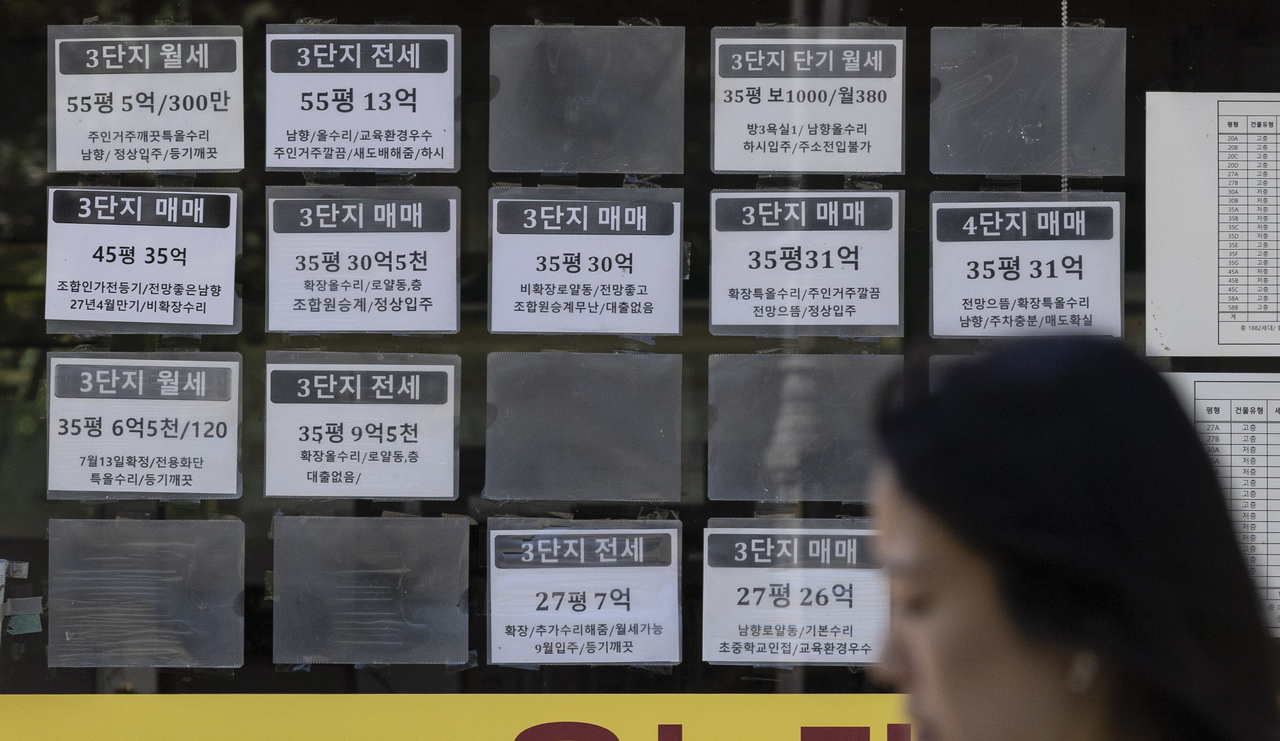
Seoul apartment prices rose for the 90th consecutive week, even as declines deepened in the three major Gangnam-area districts. Outer districts such as Seongbuk-gu led the gains, while Suwon's Yeongtong-gu in Gyeonggi Province topped the national rankings, buoyed by a spillover effect from in-house loan programs at semiconductor companies.
According to the Korea Real Estate Board's weekly apartment price survey for the fourth week of October 2026 (based on Monday's data), Seoul apartment prices rose 0.09% this week. The pace of increase eased from the previous week's 0.13%, but the streak of consecutive weekly gains extended to 90 weeks.
Areas concentrated with high-priced apartments, including the three Gangnam-area districts, saw their declines widen even as outer districts continued to rise. Gangnam-gu fell 0.38%, led by large complexes in Yeoksam and Apgujeong-dong; Seocho-gu dropped 0.35%, centered on Banpo and Seocho-dong; and Songpa-gu declined 0.22%, driven by Jamsil and Sincheon-dong. All three districts posted steeper declines than the previous week, when they fell 0.31%, 0.32% and 0.13%, respectively.
Seongbuk-gu (up 0.39%) and Seodaemun-gu (up 0.36%) continued to climb, however. Seongbuk-gu's gains were concentrated in large complexes in Donam and Gireum-dong, while Seodaemun-gu's rise was driven by small- and mid-sized units in Hongeun and Hongjae-dong. Jongno-gu (up 0.35%) advanced on major complexes in Changsin and Muak-dong, Gangbuk-gu (up 0.32%) rose in Mia and Beon-dong, and Dobong-gu (up 0.32%) gained in Chang and Banghak-dong. The moves reflect sustained buying interest from end-users.
A Korea Real Estate Board official said that while falling listings in some areas and reconstruction-targeted complexes pushed sale prices lower, upward pressure persisted in highly sought-after complexes with solid demand, resulting in a mixed picture of gains and losses by district — with Seoul as a whole still finishing higher.
In Gyeonggi Province, Suwon's Yeongtong-gu — part of the region's so-called semiconductor belt — rose 0.58%, led by major complexes in Maetan and Yeongtong-dong, tying for the top national gain. Gunpo also climbed 0.58%, with large complexes in Sanbon and Geumjeong-dong driving the advance, as end-users priced out of southern Gyeonggi turned to neighboring areas. Yongin's Giheung-gu gained 0.54%, centered on Jung and Dongbaek-dong.
In Incheon, Bupyeong-gu rose 0.03%, led by smaller units in Bugae and Bupyeong-dong, while Gyeyang-gu edged up 0.01% on gains in Jakjeon and Byeongbang-dong.
Seoul apartment jeonse prices rose 0.17% this week, surpassing the previous week's 0.16% gain. Dobong-gu (up 0.34%) advanced in Chang and Banghak-dong, Dongdaemun-gu (up 0.32%) rose in Jangan and Hwigyeong-dong, Seongbuk-gu (up 0.31%) climbed on large complexes in Gireum and Donam-dong, Geumcheon-gu (up 0.31%) gained in Doksan and Siheung-dong, and Nowon-gu (up 0.29%) rose on major complexes in Junggye and Sanggye-dong.
Gyeonggi Province apartment jeonse prices rose 0.18%, outpacing Seoul's gain. Yongin's Giheung-gu climbed 0.42%, led by large complexes in Jung and Mabuk-dong, while Suwon's Gwonseon-gu (up 0.41%) advanced in Homaesil and Gwonseon-dong, and Suwon's Yeongtong-gu (up 0.34%) rose on major complexes in Yeongtong and Mangpo-dong.
hss@heraldcorp.com