Ribon Car shares interior inspection tips for used-car buyers
Check seatbelts and seat crevices for grime
Moisture and air conditioning systems also warrant scrutiny
Interior odor rated on a five-level scale
Only vehicles in top three ratings go on sale
When buying a used car, shoppers should pay close attention not only to accident history and mileage but also to how the interior smells. Odors can reveal traces of a previous driver's smoking or pet ownership, as well as contamination in the air conditioning system or moisture that has seeped into the cabin.
Ribon Car, a certified used-car platform, shared a guide Thursday on how to inspect a vehicle's interior condition before purchase.
Interior conditions in used cars vary depending on the previous owner's driving habits and maintenance practices. When buying online in particular, exterior photos and inspection records alone make it difficult to assess odor and cleanliness.
The first areas to examine are fabric-based interior materials — seats, seatbelts and floor carpets — where cigarette smoke, pet odors and food smells can linger for a long time.
Ribon Car recommends pulling the seatbelt all the way out to check for stains or lingering odors. Buyers should also look for cigarette ash or animal hair caught in seat crevices, and check the seat surface for scratch marks.
If a vehicle has a strong air-freshener scent, it may be masking other odors. Smells absorbed into the headliner or floor carpet can be difficult to eliminate through ventilation alone.
A musty smell when the air conditioning is running signals a problem with the climate control system. The cabin air filter may be contaminated, or moisture may have built up inside the system.
If the odor persists even after replacing the filter, the evaporator and other components inside the climate control system should be inspected for contamination.
A persistent damp smell inside the cabin warrants a check for signs of water intrusion.
The areas beneath the floor mats, under the seats and below the trunk floor are easy to overlook. If moisture or stains are found there, buyers should consider not just interior soiling but also the possibility of a leak.
Odors that appear while driving can signal mechanical problems. A smell resembling burning rubber calls for an inspection of the tires or braking system. Low tire pressure in particular can affect driving safety, making it important to maintain the level the manufacturer recommends.
As temperatures drop, tire pressure can fall, so periodic checks are advisable. An unusual sweet smell may indicate a coolant leak. Low coolant levels can lead to engine overheating, so checking the coolant level and looking for signs of leakage is recommended.
If a fuel smell or a burning-oil odor persists, the fuel system should be checked for leaks and the engine for oil seepage. If a leak is found, it is safer to have the vehicle inspected at a repair shop rather than continuing to drive.
Because different odors point to different areas of concern, the part of the vehicle that needs attention varies by cause. However, odor alone is not enough to accurately diagnose a problem, so buyers should also review the vehicle's inspection records and maintenance history.
Ribon Car operates a dedicated odor-assessment service so buyers can check interior conditions before committing to a purchase.
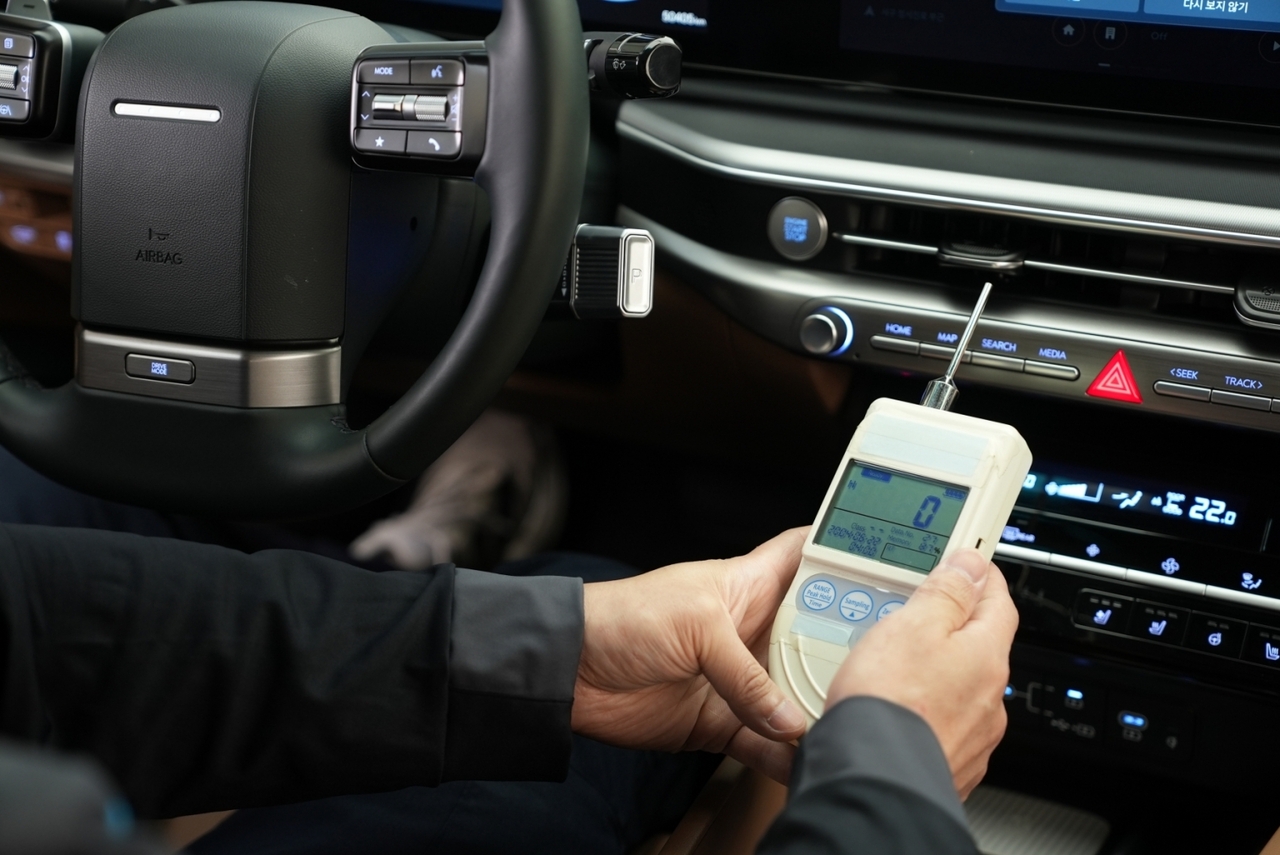
At its proprietary reconditioning center, RTC, the company evaluates key performance indicators under its in-house quality standard, RQI, and separately assesses interior odor and cleanliness. The "Odor Care" service combines results from precision measurement equipment with evaluations by professional odor specialists to classify interior smell into five levels. Ribon Car sells only vehicles that receive one of the top three ratings — "pleasant," "good" or "acceptable." The company also obtained a patent in 2021 for its "used-car sales system and method tailored to odor care."
"Interior odor and cleanliness continue to affect satisfaction after a vehicle is handed over, making them an important selection criterion alongside performance," a Ribon Car official said. "Ribon Car grades interior odor based on assessments by specialized equipment and odor specialists, and discloses the results transparently on each vehicle's detail page alongside interior cleanliness ratings."
kwater@heraldcorp.com