Meetings with US port authorities held in Seoul
Tampa Bay terminal to expand 66%
Capacity for 10,000 vehicles sought
Philadelphia terminal entry in the works
LA and Savannah hubs also added
US unit's net profit up 16% year on year
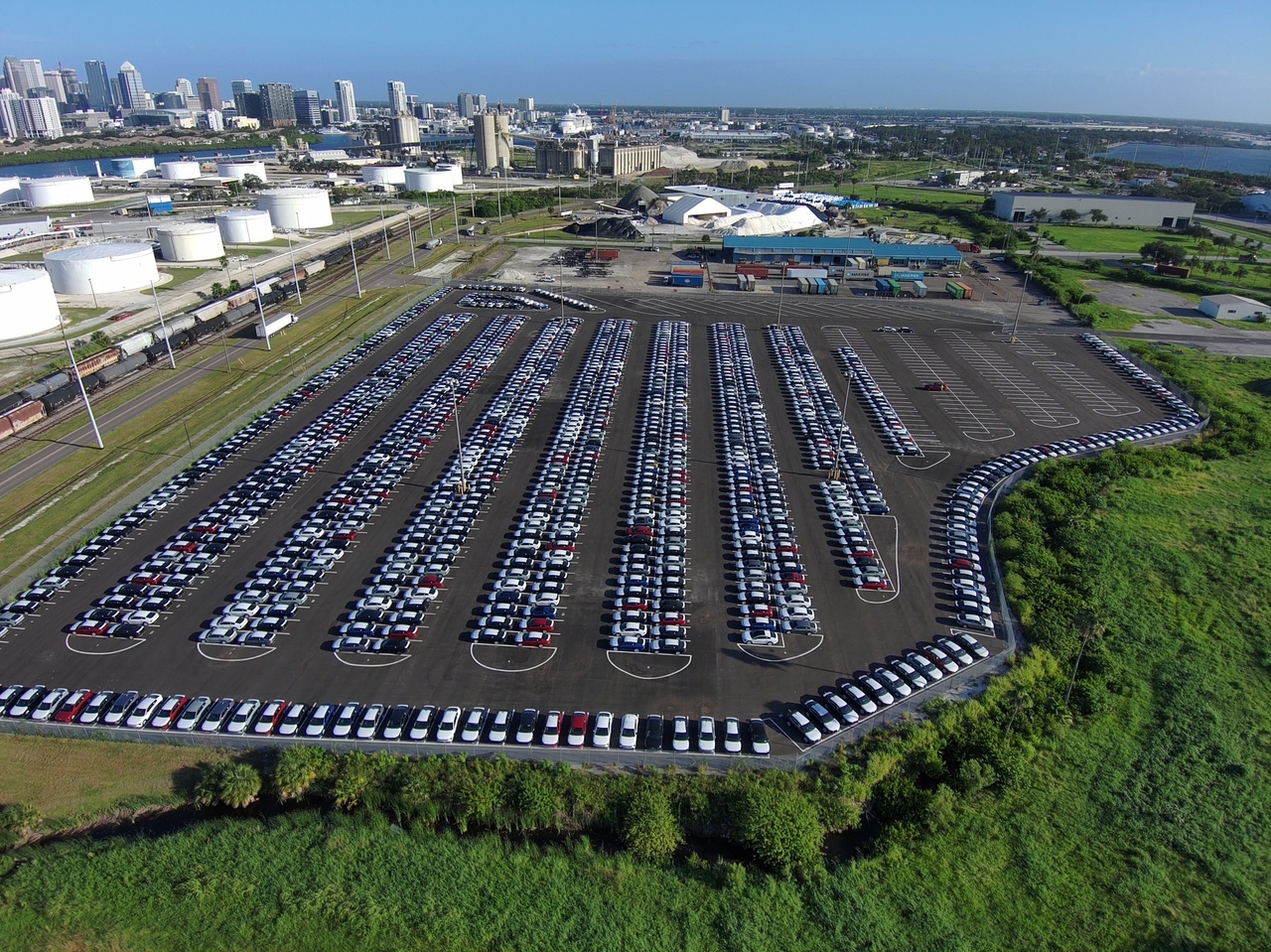
Hyundai Glovis is rapidly expanding its logistics presence at major US ports, pushing deeper into North America by growing its operations at Port Tampa Bay and pursuing a new terminal venture in Philadelphia — extending its reach beyond maritime shipping into port operations.
Raul Alfonso, executive vice president and chief commercial officer of the Tampa Bay Port Authority, and Greg Lovelace, senior vice president of marketing and business development, met with Hyundai Glovis executives in Seoul during the second week of this month to discuss the recently announced terminal expansion at Tampa Bay and follow-up cooperation plans.
Glovis America, Hyundai Glovis's US subsidiary, signed a long-term contract with the Tampa Bay Port Authority on Nov. 9 to expand its automotive logistics terminal site. The deal adds approximately 130,000 square meters to the existing roughly 196,000 square meters, enlarging the total operating area by 66%.
Once complete, the operating area will exceed 324,000 square meters. Simultaneous vehicle storage capacity is expected to grow by about 3,000 units, bringing the total to around 10,000 vehicles. Construction on part of the additional site began in August, with the remaining zone set to be developed by the end of 2027.

Glovis America is also upgrading value-added services within the port. Having completed renovations to existing facilities, the company is adding car wash stations and vehicle exterior repair facilities, building out its capacity to handle everything from unloading and storage to pre-delivery processing on-site.
Hyundai Glovis has played a significant role in the growth of Tampa Bay's automotive logistics business. From October last year through September this year, the port processed 70,027 new vehicles — a 122% jump from the same period a year earlier. The port authority cited Hyundai Glovis's automotive logistics operations as a key driver of increased port lease revenue.
Port Tampa Bay, located on the US Gulf Coast, serves as an automotive logistics hub. Hyundai Glovis plans to use the expanded facility to handle volumes from existing customers while also pursuing new automaker clients in the southeastern United States.
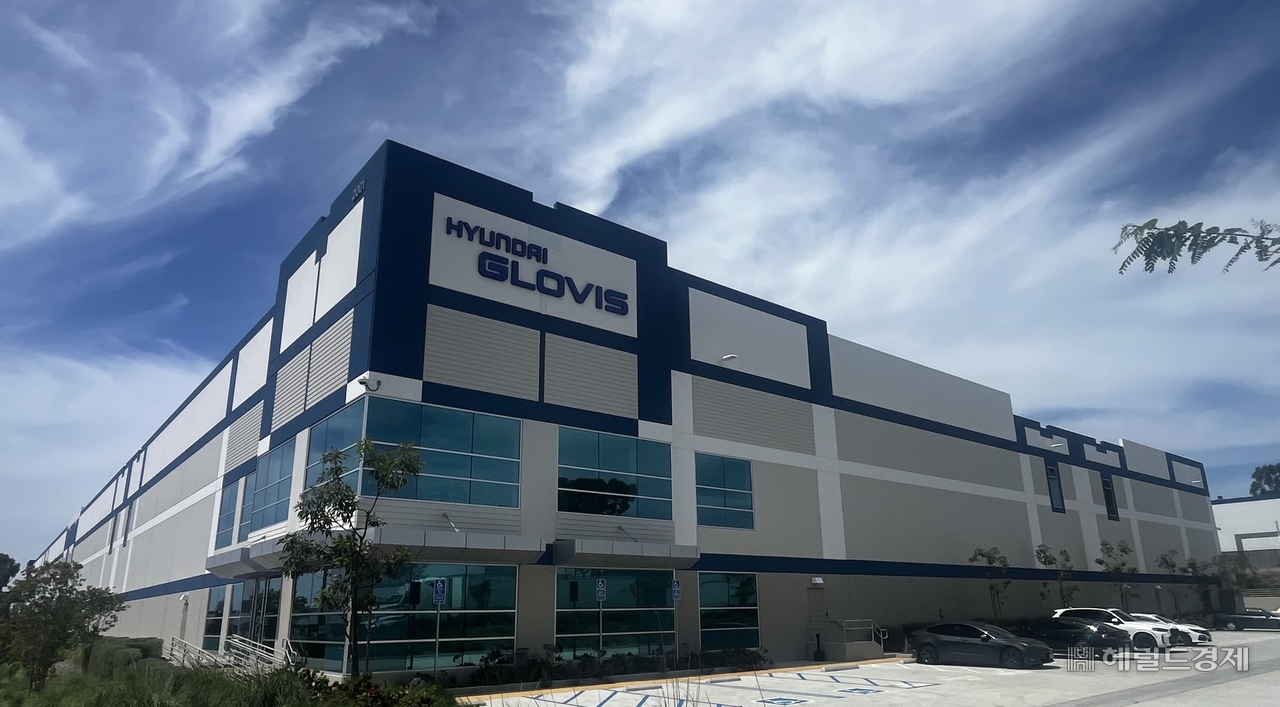
Hyundai Glovis is also pursuing expansion at the Port of Philadelphia on the US East Coast. Last month, the company signed an MOU with the Philadelphia Port Authority and a local developer to cooperate on a port expansion project.
The plan calls for developing a dedicated berth for pure car and truck carriers and new vehicle storage facilities, as well as participation in finished-vehicle terminal operations. If realized, simultaneous vehicle storage capacity would grow from roughly 33,600 to 37,600 units. The company is also seeking to extend its existing logistics site lease through 2056.
Beyond the ports, Hyundai Glovis is also building out its inland logistics network. In the first quarter of this year, the company opened a 12,000-square-meter integrated logistics center in Los Angeles and a 69,000-square-meter consolidated warehouse in Savannah, Georgia. The Los Angeles facility handles logistics services linking maritime and air freight, while the Savannah site manages parts storage and transportation for local automotive production facilities.
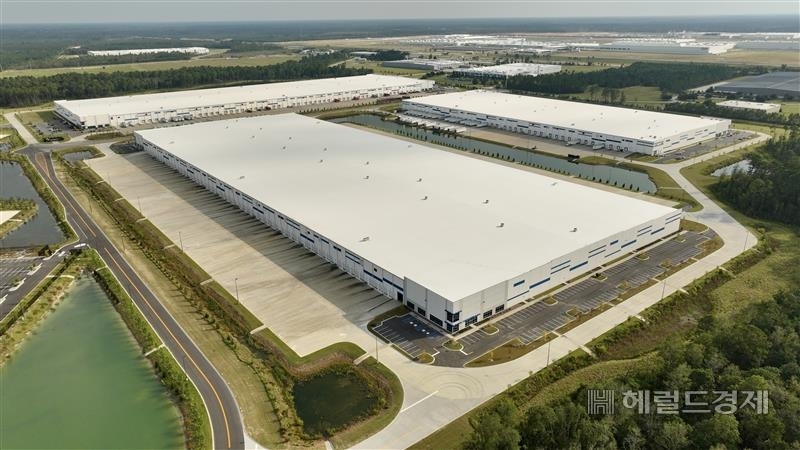
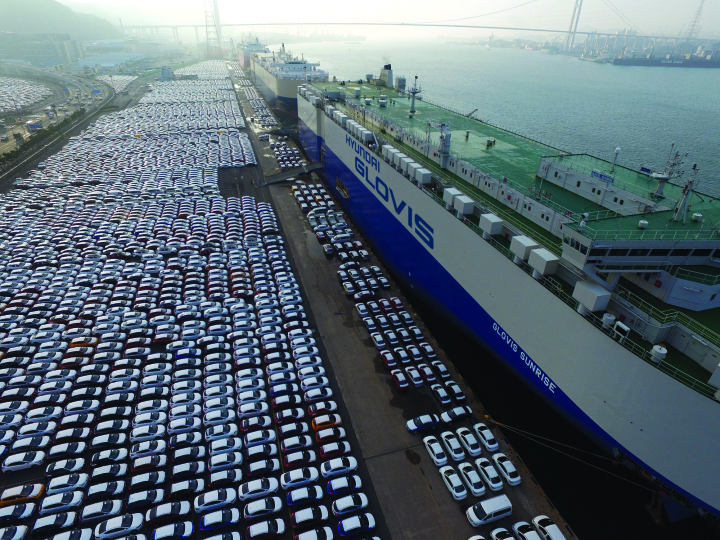
The hub buildout reflects a broader strategy to move beyond simply shipping finished vehicles to the United States by sea, expanding into port terminal operations, vehicle storage and processing, parts logistics and inland transportation.
As Hyundai Glovis diversifies its customer base beyond Hyundai Motor and Kia to include global automakers — and as maritime shipping volumes from Chinese automakers grow — the importance of non-affiliate business is rising. The wider the range of customers and cargo, the more a seamlessly connected logistics network spanning ports to inland destinations will determine the company's competitive edge.
The US business continues to grow. Hyundai Glovis's American subsidiary posted sales of 2.93 trillion won ($2.19 billion) for the first nine months of this year, up 9.2% from the same period a year earlier. Net profit over the same period rose 16.2% to 162.9 billion won. The nine-month figure has already matched the subsidiary's full-year net profit of 168.7 billion won last year.
As Hyundai Glovis expands its fleet of pure car carriers while simultaneously growing its US port operations, the company expects greater synergies between its maritime shipping and local logistics businesses. Jeong Yeon-seung, an analyst at NH Investment & Securities, said "only companies that have expanded transport capacity through preemptive investment will be able to achieve differentiated profit growth," adding that Hyundai Glovis is well positioned to sustain earnings growth next year on the back of its expanding pure car and truck carrier fleet and rising freight rates.

kwater@heraldcorp.com