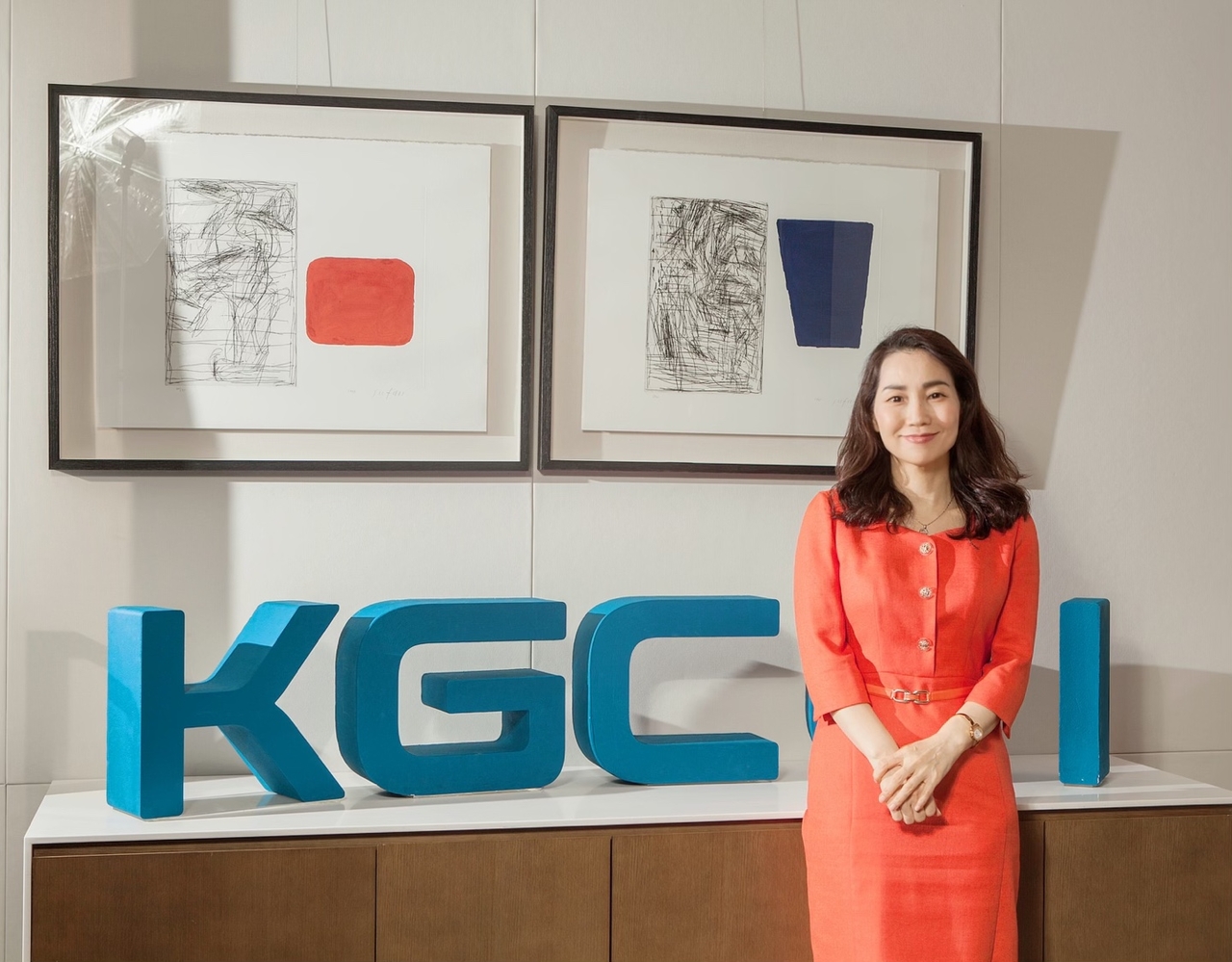
Interview with Park Hyun-nam, Deutsche Bank Korea CEO and KGCCI chairman
'Korea has become a strategic hub for Asia-Pacific production and innovation'
'APK returning to Seoul after 19 years symbolizes growth of Korea-Germany economic ties'
'Korea's strategic value rises further in era of supply chain stability and economic security'
'Combining German industrial automation with Korean manufacturing could yield significant synergies'
APK 2026 to be held in Seoul from Thursday to Saturday
"If Korea in 2007 was a market that offered German companies manufacturing capability and growth potential, today it has grown into a strategic cooperation partner that helps shape the future of global industry."
Park Hyun-nam, head of Deutsche Bank Korea and chairman of the Korean-German Chamber of Commerce and Industry (KGCCI), offered that assessment of Korea's changed standing ahead of APK 2026, the Asia-Pacific German Business Conference returning to Seoul for the first time in 19 years. More than 540 German companies now operate in Korea, and the jobs they have created in the country number around 100,000. Park said Korea's role has grown well beyond a market for selling German products into a base where German firms plan production, research and development, and broader Asia-Pacific strategy.
"This APK symbolically demonstrates both the rise in Korea's international economic standing over the past 19 years and the development of Korea-Germany economic cooperation," Park said in an interview Wednesday.
APK is Germany's flagship international business conference, bringing together leading figures from the business, government and public-policy communities of Germany and the Asia-Pacific region to discuss economic cooperation and industrial issues. First held in 1986, it has rotated among major Asia-Pacific cities on a biennial basis. Seoul is hosting the event for the third time, after 1992 and 2007. About 750 senior government officials and global corporate executives from Germany, Korea and across the Asia-Pacific region are expected to attend.
Park said the value German companies see in Korea has changed significantly. "For German companies, Korea's strategic value goes beyond simply being an attractive market — it lies in being a trustworthy cooperation partner with which they can jointly pursue technological innovation, supply chain stability and economic security," he said.
He added that Korea's importance is growing further as the US-China rivalry and the spread of protectionism accelerate the restructuring of global supply chains. "It is possible to reduce excessive dependence on specific countries or regions, diversify supply chains, and at the same time strengthen technological competitiveness and innovation capacity," Park said. "The importance of reliable technology and industrial partners like Korea is only increasing."
German corporate investment bears out that shift. Merck is preparing to open a bioprocessing production center in Daejeon built with an investment of about 450 billion won ($340 million) — the largest single investment the German company has made across the Asia-Pacific region. It is a concrete sign that Korea is establishing itself as a strategic base for production and innovation in the Asia-Pacific, not merely a sales market for German firms.
Korean companies stand to gain considerably as well. Park said that combining Germany's industrial automation and engineering expertise with Korea's manufacturing and digital capabilities could yield the fastest results in the industrial AI sector. Korea already has the world's highest robot density in manufacturing, with 1,066 industrial robots per 10,000 manufacturing workers.
Siemens and Naver Cloud are already pursuing cooperation on the AI transformation of manufacturing. "In the short term, I think the most realistic areas for commercialization are AI-based predictive maintenance of equipment, product quality inspection and production-process optimization," Park said. "These technologies have the advantage of being applicable to existing manufacturing sites, where concrete results — higher productivity, lower costs and improved quality — can be verified." Over the medium to long term, he said, the scope of cooperation is expected to broaden to autonomous manufacturing combining digital twin and robotics technology.
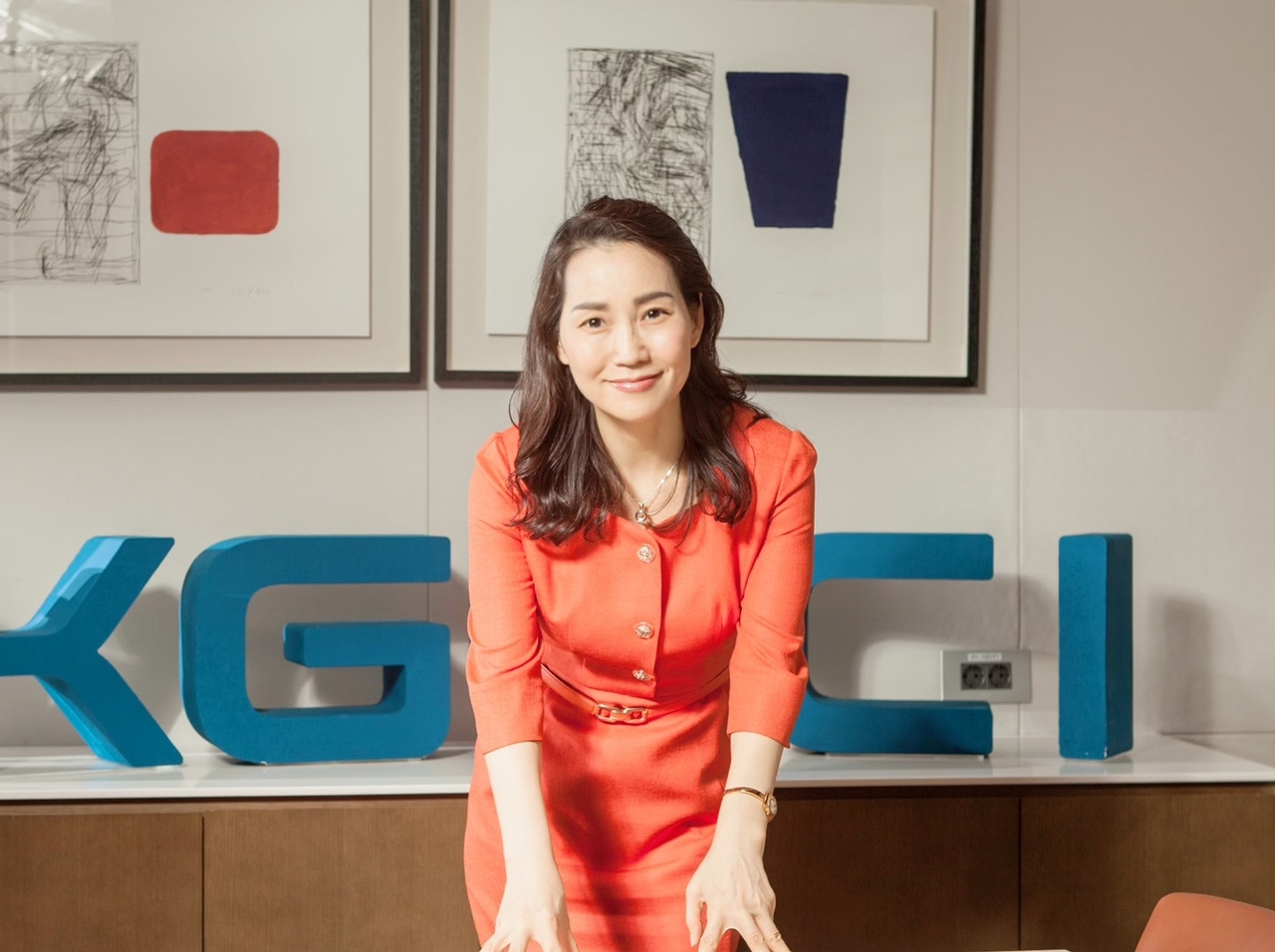
Park also sees room to expand Korea-Germany cooperation beyond bilateral trade into joint entry into third-country markets — combining Germany's advanced engineering and green technology with Korea's manufacturing capability and experience executing large-scale projects.
"The potential is particularly large in the energy and industrial infrastructure sectors," he said. "There will be many opportunities to explore cooperation in renewable energy, smart infrastructure and advanced manufacturing facility construction in Asia-Pacific markets such as Southeast Asia."
KGCCI plans to strengthen its own role in translating such cooperation into actual business. It currently serves as the official Korean secretariat for the Korea-Germany Energy Partnership, supporting energy-transition cooperation between the two governments and their companies. It also runs the Ausbildung program, which adapts Germany's dual vocational education system to Korea's industrial environment. Next year marks the 10th anniversary of Ausbildung's introduction in Korea.
"As chairman, I want to strengthen communication so that the voices of companies from both countries are genuinely reflected in policy and on the ground, and to help companies broaden their opportunities for cooperation by building on each other's strengths," Park said.
As head of Deutsche Bank's Korea operations, Park identified accessibility and predictability as perceived by global investors as key challenges for the Korean financial market. He spoke positively about the recent direction of reforms, including extended foreign exchange market operating hours, support for electronic foreign exchange trading, efforts to advance won-denominated international payment networks, and the expansion of English-language corporate disclosures.
However, Park cautioned that "there is a time lag between the announcement of a policy and the market actually feeling its effects," adding that "the success or failure of reform should be measured not by the number of measures introduced, but by whether global investors can in practice invest in Korea more easily and predictably."
The 19th APK 2026 will be held from Thursday to Saturday at the Grand InterContinental Seoul Parnas. Discussions will center on the restructuring of global supply chains, industrial AI, corporate finance and the energy transition, with a focus on avenues for cooperation between Germany and the Asia-Pacific region.
rim@heraldcorp.com