WTI falls 1.83% to $99.90 a barrel
Brent crude also down 1.67% to $113.88
High-level talks between Iran, Saudi Arabia raise hopes for easing tensions
Supply concerns linger after Houthi strike on refinery
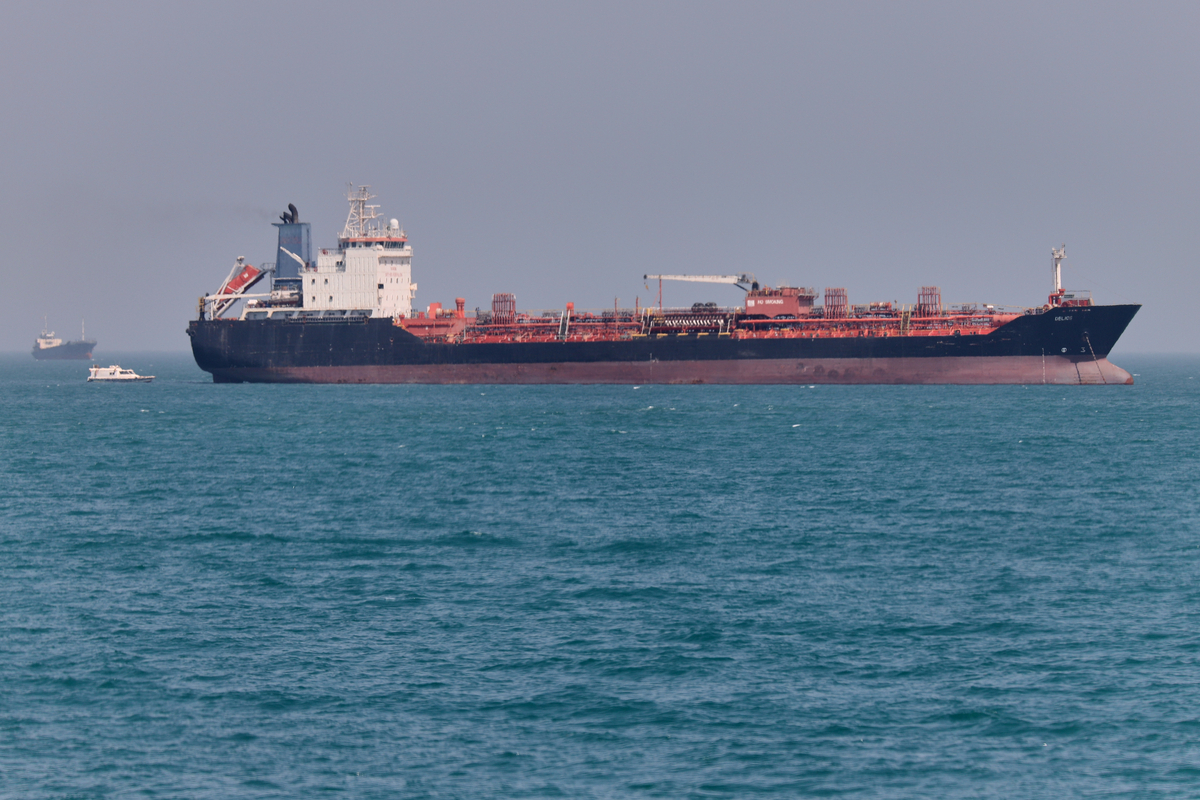
International oil prices fell Tuesday on hopes for progress in Middle East peace talks, pulling West Texas Intermediate crude below $100 a barrel. However, military clashes continued in the region — including a Houthi rebel strike on a Saudi Arabian refinery — leaving uncertainty over crude supply unresolved.
WTI for December delivery settled at $99.90 a barrel on the New York Mercantile Exchange Tuesday (local time), down 1.83% from the previous session, slipping just below the $100 mark.
Brent crude for December delivery also fell 1.67% to $113.88 a barrel on the London ICE Futures Exchange.
The decline came after news that Middle Eastern nations had agreed to continue dialogue on peace and security cooperation.
On Monday (local time), Saudi Arabia, Pakistan and Turkey — three members of the Mecca Joint Defense Pact — held high-level talks with Iranian officials in Tehran.
Following the meeting, the countries agreed to sustain dialogue aimed at strengthening peace and security cooperation across the Middle East.
The prospect of easing military tensions in the region weighed on oil prices, analysts said.
Yet military clashes in the region have not stopped.
Yemen's Iran-backed Houthi rebels struck Ras Tanura, Saudi Arabia's largest oil refinery complex.
The attack on a major crude production facility, even as peace talks were under way, meant concerns about supply disruptions had not fully dissipated.
Markets are watching whether the unstable supply situation in the Middle East could keep international oil prices elevated.
Swiss investment bank UBS forecast that Brent crude would hold around $110 a barrel through year-end, citing supply instability and geopolitical uncertainty in the Middle East.
Analysts said that even if peace-talk optimism pushes prices lower temporarily, high price levels could persist as long as military tensions in the region continue.
Investors are also monitoring the possibility of a US or Israeli strike on Iran.
Attention is also focused on whether Tuesday's Israeli general election will bring a change of government.
Israel's political trajectory and the pace of progress in Middle East peace negotiations are expected to serve as key variables for international oil prices going forward.
sjy@heraldcorp.com