"I had no idea these existed in Korea … "
Exotic tropical fish, with their striking appearances, have won a devoted following as pet fish in South Korea.
But foreign fish species are now turning up in streams across the country.
They are not wild specimens. Most are non-native ornamental fish imported for the pet trade — released or abandoned into waterways for one reason or another.
The concern is what happens when these non-native species establish themselves in the wild. Once settled, they can prey on native fish and trigger broader changes to local ecosystems.
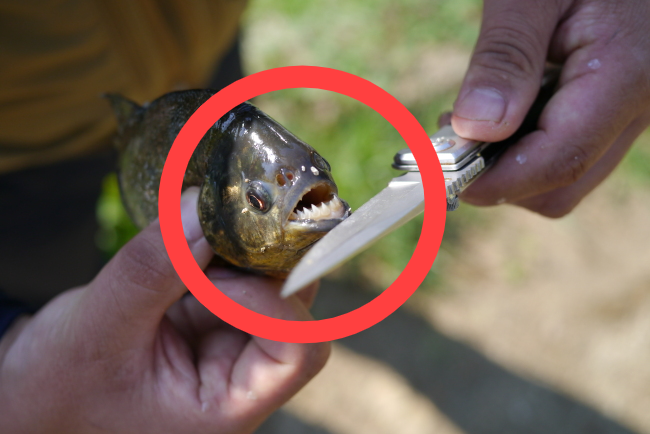
South Korea has already recorded cases of so-called "monster fish" — including piranhas capable of threatening humans — found living in the wild. In some countries, ornamental fish that have gone feral have wiped out native species and devastated the livelihoods of local fishermen.
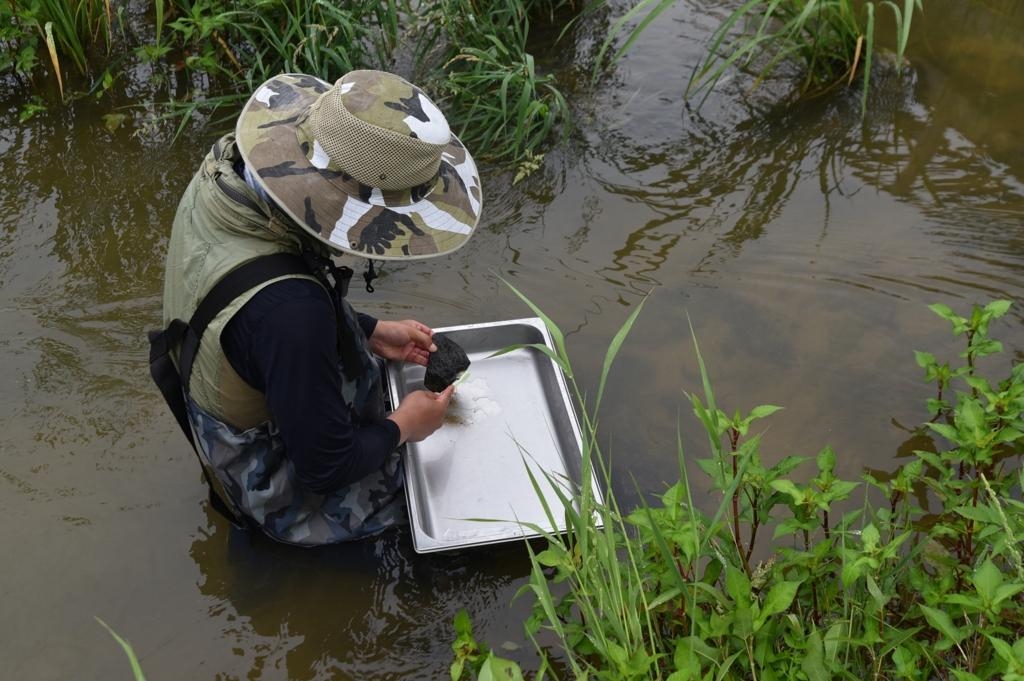
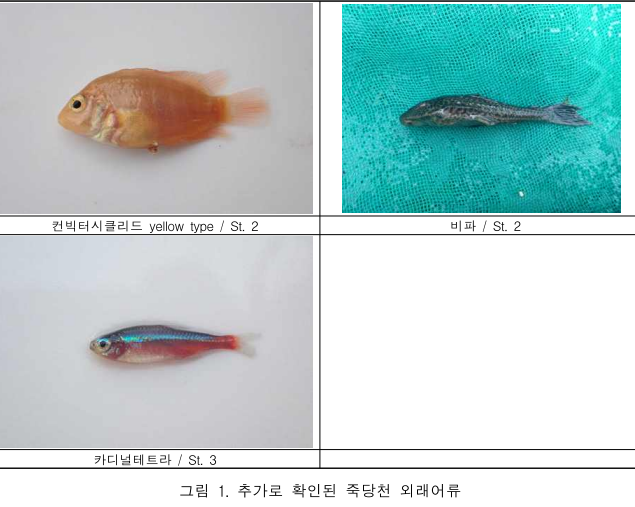
According to the National Institute of Ecology's "2025 National Survey on the Distribution of Alien Species" report, six species of non-native ornamental fish — including guppies, platys, hillstream loaches, convict cichlids and cardinal tetras — were found last year in Jukdang Stream in Icheon, Gyeonggi Province.
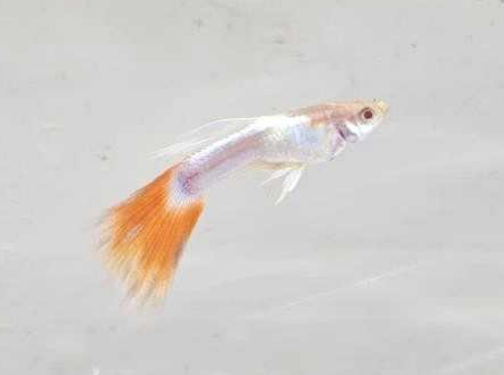
Jukdang Stream has already earned the nickname "Guppy Stream." Guppies, tropical fish that would normally struggle to survive in Korean waterways, have been found living there in large schools.
The numbers are striking. A study published this year by researchers at Chungbuk National University found that 1,070 of the 1,144 fish collected from Jukdang Stream were guppies — accounting for 93.5 percent of all fish sampled.
Tropical fish generally struggle to survive in South Korea, where the four seasons bring cold winters. But some streams are largely insulated from those temperature swings.
Jukdang Stream is the prime example. Warm water discharged from a nearby semiconductor factory flows into the stream, keeping water temperatures higher than in typical waterways — creating conditions in which tropical fish can survive year-round.
National Institute of Ecology researchers concluded that the continuous inflow of warm discharge water, combined with deliberate releases of ornamental fish by the public, has allowed a variety of non-native fish to take up residence in the stream. They also found that some species are capable of reproducing there, meaning populations could grow over time.
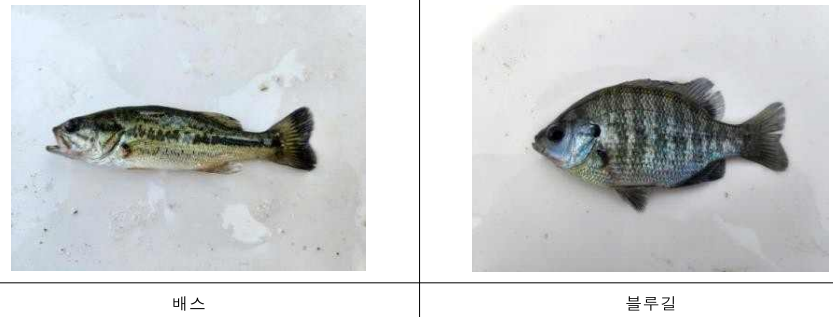
The problem is compounded by people who continue to release additional ornamental fish into the stream, apparently encouraged by the warmer conditions already there. Online communities have seen a steady stream of posts from people reporting sightings of unusual or exotic fish in Jukdang Stream.
Beyond non-native fish, non-native invertebrates have also been found breeding in the stream. The most notable is the marbled crayfish — a parthenogenetic species capable of reproducing without a mate, and one that environmental authorities classify as a species requiring monitoring for potential invasion.
During a National Institute of Ecology survey of Jukdang Stream last year, researchers found marbled crayfish carrying eggs alongside juvenile crayfish — evidence, they concluded, that the species has established a breeding population in the stream.

Invasive non-native mollusks — including the New Zealand mudsnail and the spiky mudsnail — were also found at multiple survey sites. Both species are highly adaptable and prolific breeders; if they spread, they could compete directly with native organisms.
The problem is not confined to Jukdang Stream. Last year, two guppies were found in Seojeongni Stream in Pyeongtaek, Gyeonggi Province — a species not recorded there in any previous survey.
Seojeongni Stream also receives warm discharge water, keeping temperatures above 25 degrees Celsius even in winter in some stretches. The National Institute of Ecology assessed that tropical species introduced to the stream would have a high likelihood of surviving through the winter months.
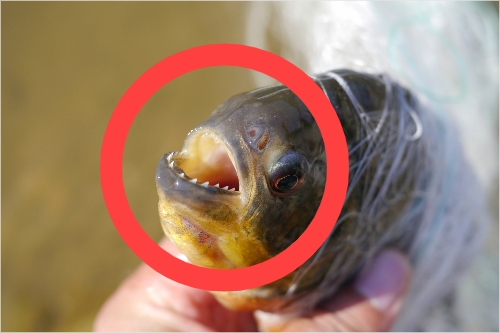
There is another layer of concern: some of the non-native ornamental fish imported into South Korea are large carnivores that prey on other fish. If such species spread into domestic waterways, the ecological disruption could be far more severe.
The issue drew public attention in 2015, when a piranha — one of the most recognizable predatory fish — was found in a stream in Gangwon Province. Authorities at the time believed someone had kept the piranha and a red pacu as pets before releasing them.
According to a study on the import status of ornamental osteoglossiform fish in South Korea, published in February by National Institute of Ecology researchers, 42 species of osteoglossiform ornamental fish were confirmed as imported between 2009 and 2024.
Among them are large species including the arowana and the knifefish, which can grow up to 1 meter in length, as well as the arapaima — a so-called "monster fish" reported to reach up to 4 meters.
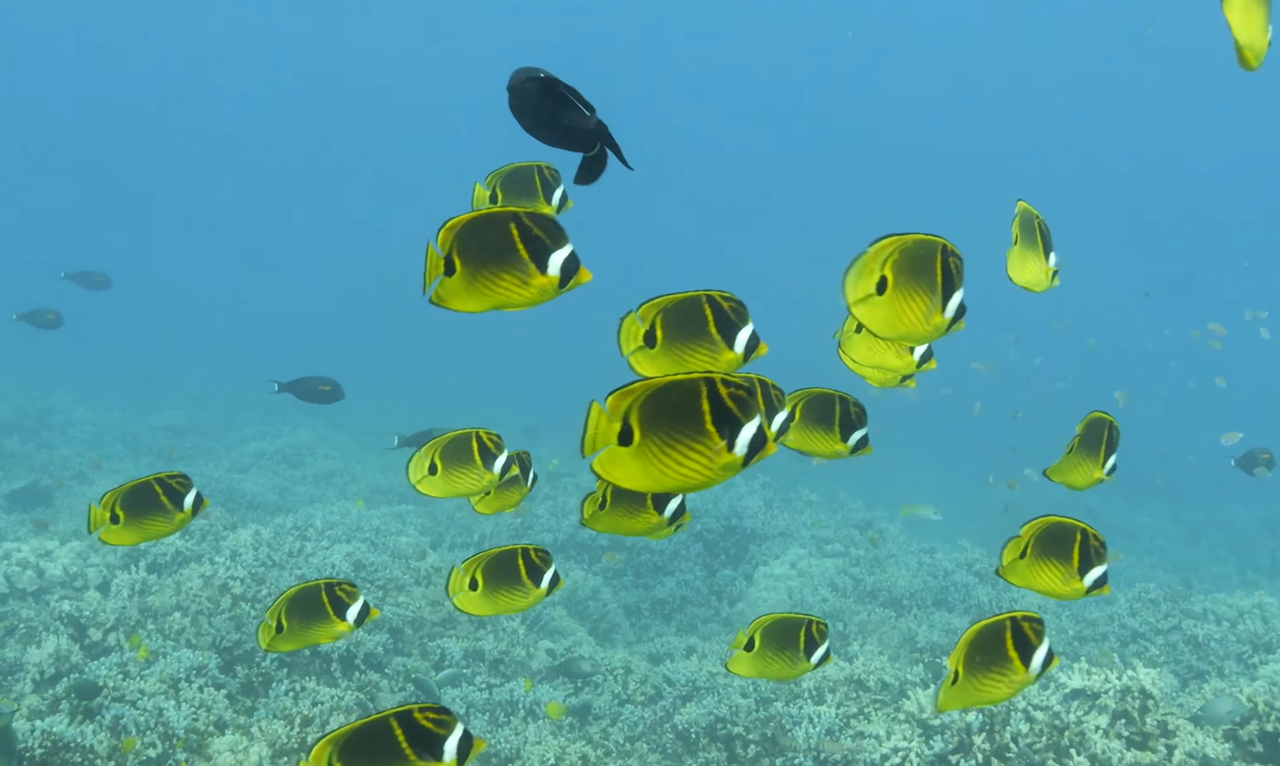
If such species entered domestic waterways, they could compete with native organisms for food and habitat, or alter the species composition of existing aquatic ecosystems.
The Philippines offers a cautionary example of what large carnivorous ornamental fish can do once they enter the wild. The clown knifefish — a species of which more than 15,000 have been imported into South Korea — can grow up to 1 meter long and preys on smaller fish.
In 2009, a typhoon struck the Philippines and caused clown knifefish to escape from aquaculture facilities into Laguna de Bay. Their population expanded rapidly, and within about two years the species accounted for roughly 40 percent of the total fish catch in the lake.
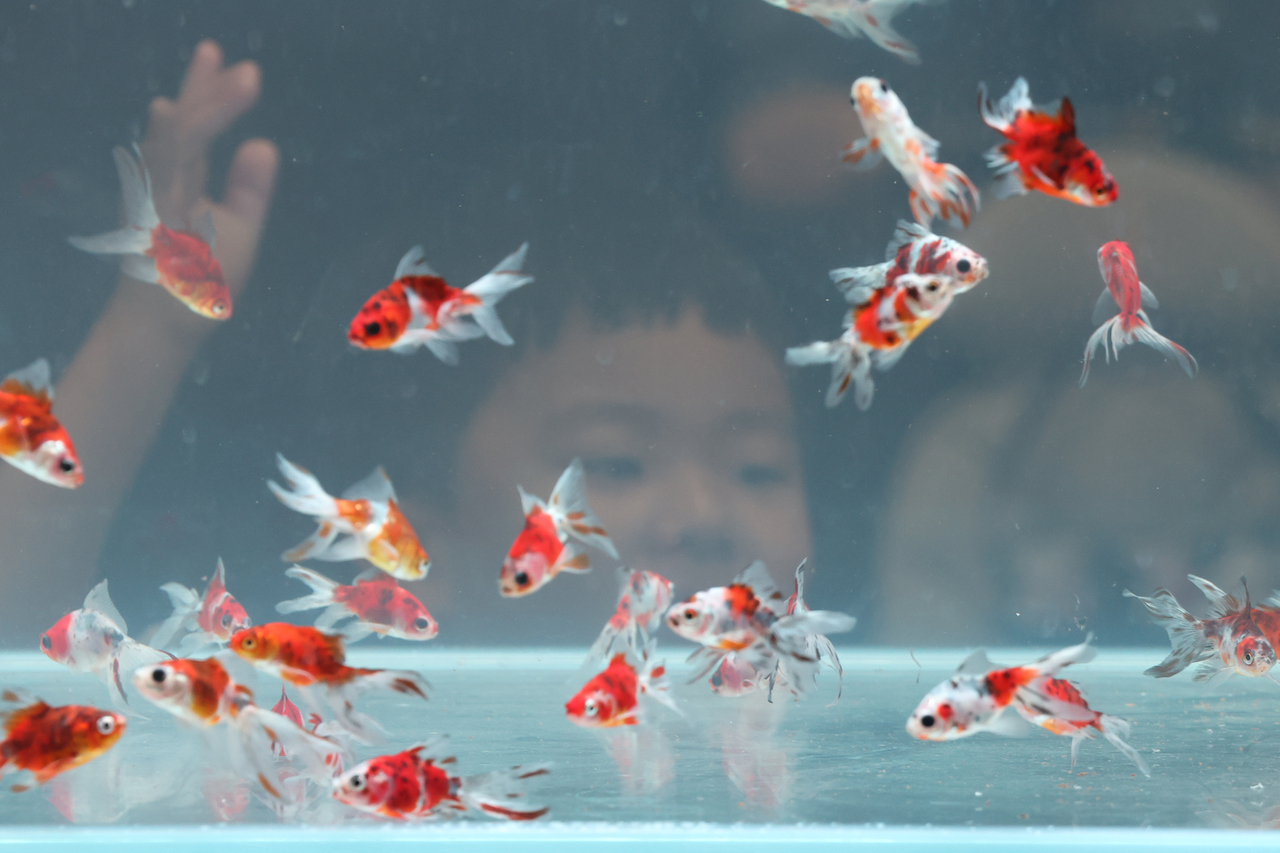
South Korea's cold winters generally make it difficult for tropical and subtropical fish to establish themselves here. But in streams like Jukdang, where water temperatures stay elevated year-round, that natural barrier disappears.
The introduction of pathogens is another risk that warrants attention. A 2019 joint study by researchers from Sunmoon University, the National Fishery Products Quality Management Service and Kunsan National University found multiple bacterial and viral pathogens in ornamental fish imported into South Korea.
The researchers warned that some of those pathogens could pose a threat to native fish species, and called for disease surveillance of imported ornamental fish.
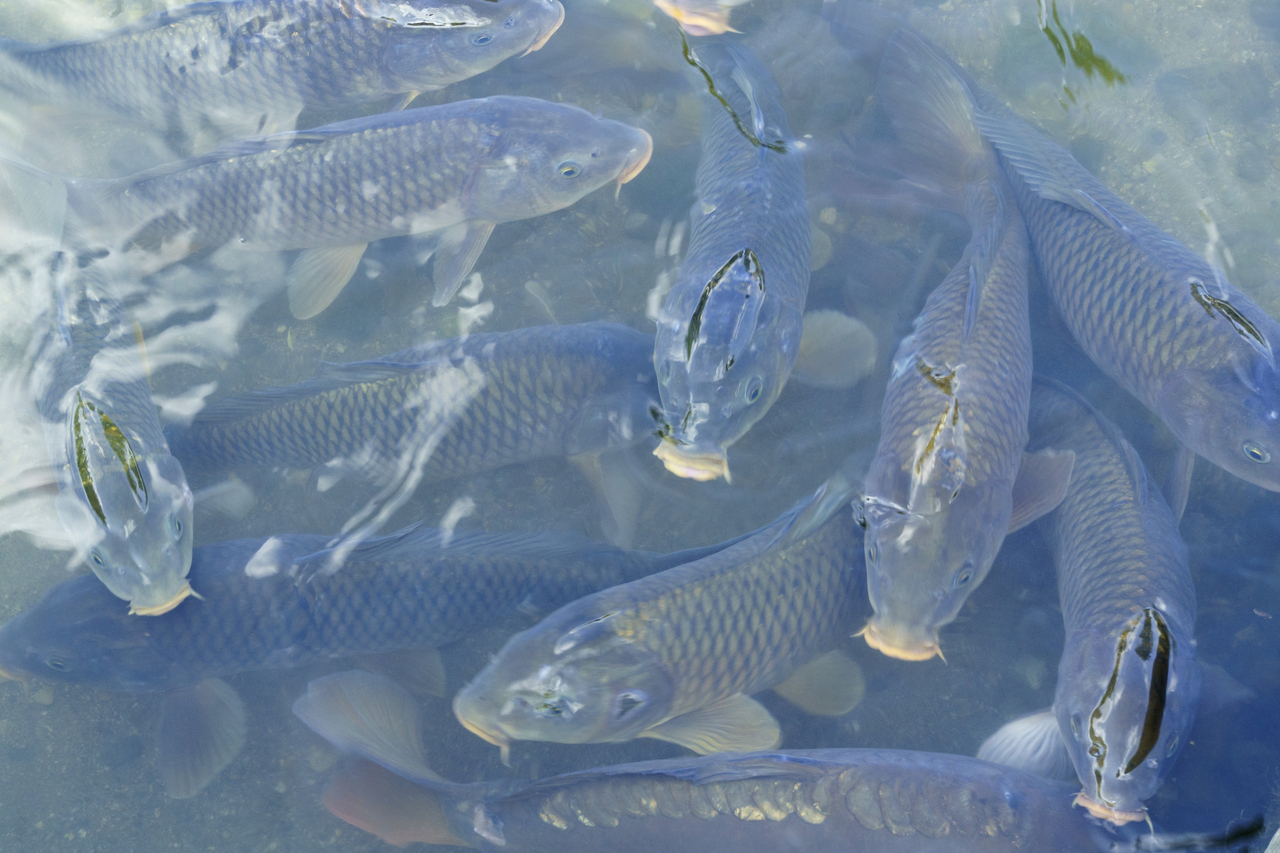
Under the current Act on the Conservation and Use of Biological Diversity, releasing, freeing or abandoning species designated as ecosystem-disrupting organisms or species of concern is prohibited in principle. However, not all non-native ornamental fish fall under those legal designations.
Guppies, which have been found in large numbers in domestic streams, are not classified as ecosystem-disrupting organisms or species of concern. Even if a species has caused ecological harm abroad, the release prohibition under the law does not automatically apply unless the species has undergone a separate domestic risk assessment and been formally designated as a legally managed species.
Experts say that regardless of legal status, managing and preventing the indiscriminate release of ornamental fish is critical. The National Institute of Ecology also said that given the possibility of non-native ornamental fish surviving or establishing themselves in streams affected by warm discharge water, continuous monitoring of alien species introduction and distribution is necessary.
"The possibility that large carnivorous non-native fish could establish themselves in domestic streams — particularly in stretches affected by warm discharge water — underscores the need for long-term monitoring and biosecurity measures," the researchers wrote in their paper.

woo@heraldcorp.com