Lula becomes first candidate to overturn first-round loss in runoff since Brazil's democratization
Right controls 60% of lower house, minority government all but certain
Budget powers, judicial reform set to spark clashes with legislature
Succession race within Workers' Party to heat up ahead of 2030 election
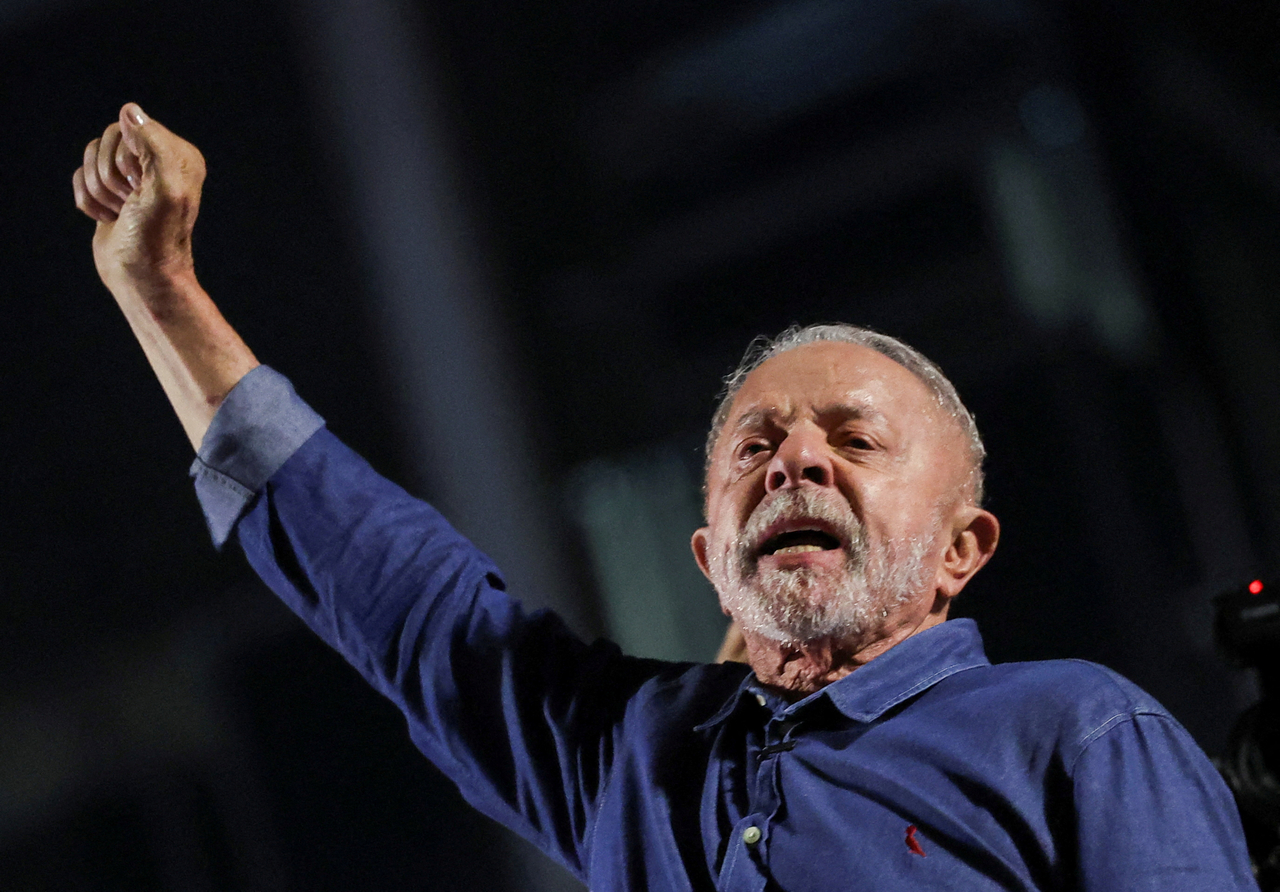
Brazilian President Luiz Inácio Lula da Silva won a dramatic comeback victory to secure a fourth term, but his path to governing will be far from smooth. While Lula prevailed at the ballot box, the right wing captured a majority of seats in parliament, leaving him to lead a minority government. He now faces a packed agenda — a fight over legislative budget powers, judicial reform and fiscal consolidation — while his ruling Workers' Party is expected to begin debating in earnest who will succeed him.
According to Brazilian political sources, Lula defeated right-wing candidate Flávio Bolsonaro in the presidential runoff held Monday (local time) to win a fourth term. It marks the first time since Brazil's democratization that a candidate who lost the first round went on to win the runoff.
Yet when Lula begins his new term in January, he will face a parliament firmly in the hands of the right.
The right wing captured roughly 60 percent of lower-house seats in the general election. In the Senate, the right secured about one-third of seats, with the Liberal Party — led by the Bolsonaro family, which lost the presidential race — wielding considerable influence.
The results significantly raise the odds that Lula's key reform agenda will run into stiff opposition in the legislature.
The most contentious issue will be the government's bid to reclaim control over so-called "lawmakers' earmark budgets," which legislators have long dominated.
In Brazil, lawmakers exercise substantial influence over budget allocations directed at local constituency projects. During the campaign, Lula signaled his intent to take on the issue, declaring that "a showdown over the budget powers held by the legislature was inevitable."
Bolsonaro-aligned right-wing forces secured a lower-house majority in the general election, and the centrist bloc known as Centrão — which holds the swing votes in parliament — is also pushing back hard against any reduction of those budget powers.
Centrão has long used lawmakers' earmarks to fund constituency projects and has made clear it intends to hold on to that authority. Analysts say Lula will have no choice but to strike a political compromise with these centrist forces if he wants to advance any reform legislation.
Judicial reform presents an equally difficult challenge.
Lula has been pushing to overhaul the Federal Supreme Court, whose credibility has taken a hit in recent scandals including the so-called "Master Bank" affair. His plan calls for introducing term limits for justices and establishing a nominations committee to restore public trust in the judiciary.
Creating a new national public security ministry is also on his agenda. Restructuring the judicial system and standing up a new security agency would require constitutional amendments or new legislation, making progress all but impossible without opposition cooperation.
The economic policy front poses its own set of challenges.
During the campaign, Lula put forward pledges to support ordinary citizens, including debt relief for small sole proprietors and expanded free public transit on weekends.
Financial markets, however, are worried about Brazil's rising national debt and growing fiscal expenditure, and are pressing for tighter spending controls. Lula's government will have to honor its core campaign pledge of expanding welfare while keeping the public finances in order.
Within the Workers' Party, grooming a successor has emerged as an urgent priority.
Lula reaffirmed his political dominance by winning a fourth term, but the party faced persistent criticism throughout the campaign that it had no credible alternative to him.
With Lula widely expected to retire from politics at the end of this term, pressure for a generational transition within the party is likely to intensify quickly.
With the 2030 presidential election on the horizon, moves to identify successor candidates — from within the Workers' Party and from prominent politicians outside it — are expected to gather momentum.
sjy@heraldcorp.com