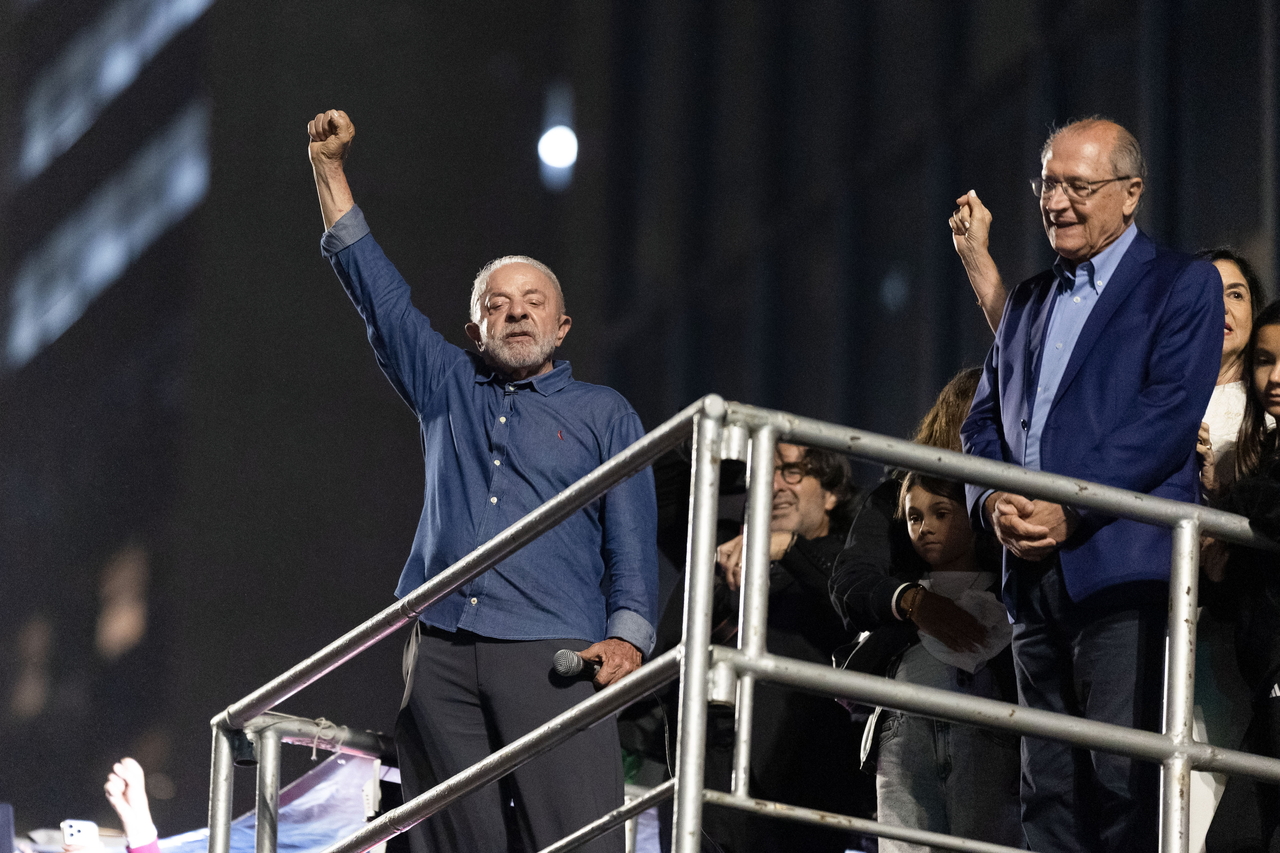
Brazilian President Luiz Inácio Lula da Silva declared Sunday (local time) that "Brazil is nobody's backyard" after clinching victory in the country's presidential runoff election, vowing to strengthen national sovereignty and expand public participation in governance. The remarks appeared aimed at US President Donald Trump and American-based social media companies, both of which faced allegations of interference during the campaign.
In his victory speech, Lula emphasized that voters had cast their ballots in defense of democracy. "We succeeded in convincing the people that voting is extremely important to protect Brazilian democracy," he said, sharing the moment with his supporters. He added that his government would change how the country is run "so that the people participate more in the decision-making process."
Lula also struck a note of national unity, apparently mindful of the closely fought race. "I will govern for all 215 million Brazilians. We have no electoral rivals anymore," he said, adding that he hoped to meet with business leaders during the two months remaining before his government takes shape.
He also said his side had "defeated foreign interference through digital platforms" and called for greater regulation of such platforms. During the campaign, allegations emerged in Brazil that Meta Platforms, which operates Facebook and Instagram, had unfairly disadvantaged Lula's camp through post-reach restrictions, differential content distribution and unequal access to AI-generated image tools.
Meta denied any bias at the time, saying that "technical errors can occur, but that does not mean political bias," and insisting that "content related to both candidates is being treated equally and without discrimination."
Lula, a former factory metalworker, entered politics through union organizing in the 1970s. After direct presidential elections were introduced in 1989, he ran seven times, losing his first three bids before winning the presidency in 2002. He was reelected in 2006, stepped down after completing his term, then returned to win a third term in 2022. His latest reelection gives him a historic fourth term in total.
Lula's next term begins Jan. 5 next year.
kate01@heraldcorp.com