Choi Dong-min unveils plans for a cultural belt linking antique art, a public library and traditional Korean medicine, with a 'Hanbang Street' aimed at making the district a tourism hub in northeastern Seoul
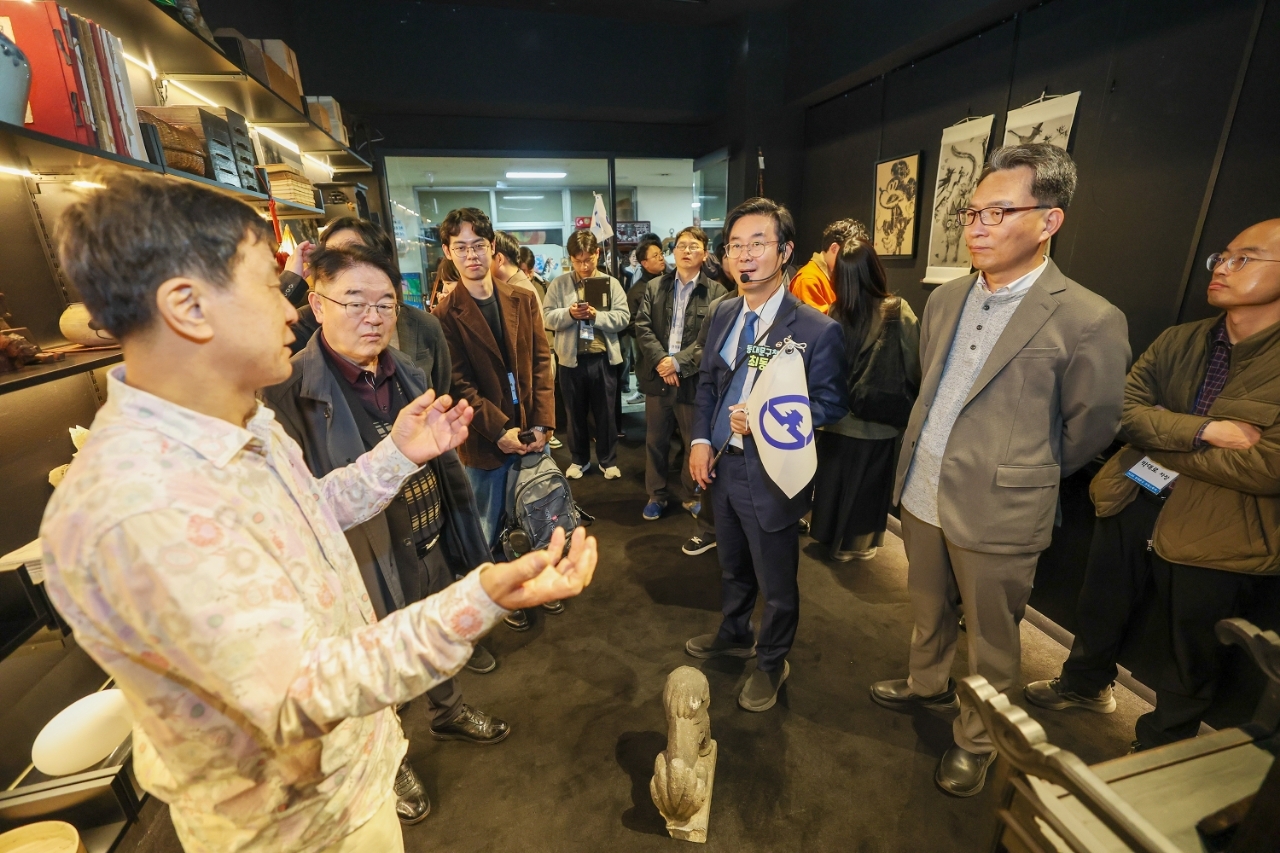
Dongdaemun-gu District Mayor Choi Dong-min has taken on an unusual role — tour guide — personally leading journalists through the district's historical and cultural sites to lay out his vision for its future.
The move drew attention as Choi, a first-term district mayor who has now passed the 100-day mark since taking office, chose to introduce the district's potential for change and present a four-year blueprint in person.
On Thursday, Choi organized a press tour for reporters covering the district, visiting the Dapsimni antique art market, the site earmarked for a new Seoul Metropolitan Library, Gyeongdong Market and the Seoul Hanbang Promotion Center in turn. At each stop, he emphasized two overarching plans: a "Dongdaemun Cultural Complex Belt" linking the district's historical and cultural assets with new cultural facilities, and the creation of a "Hanbang Street."
The vision calls for expanding cultural infrastructure by connecting antique art, film and media, and a large public library, while introducing tourism content around the Seoul Yangnyeongsi herbal medicine district — combining traditional Korean medicine experiences with performances and food to revitalize the local commercial scene.
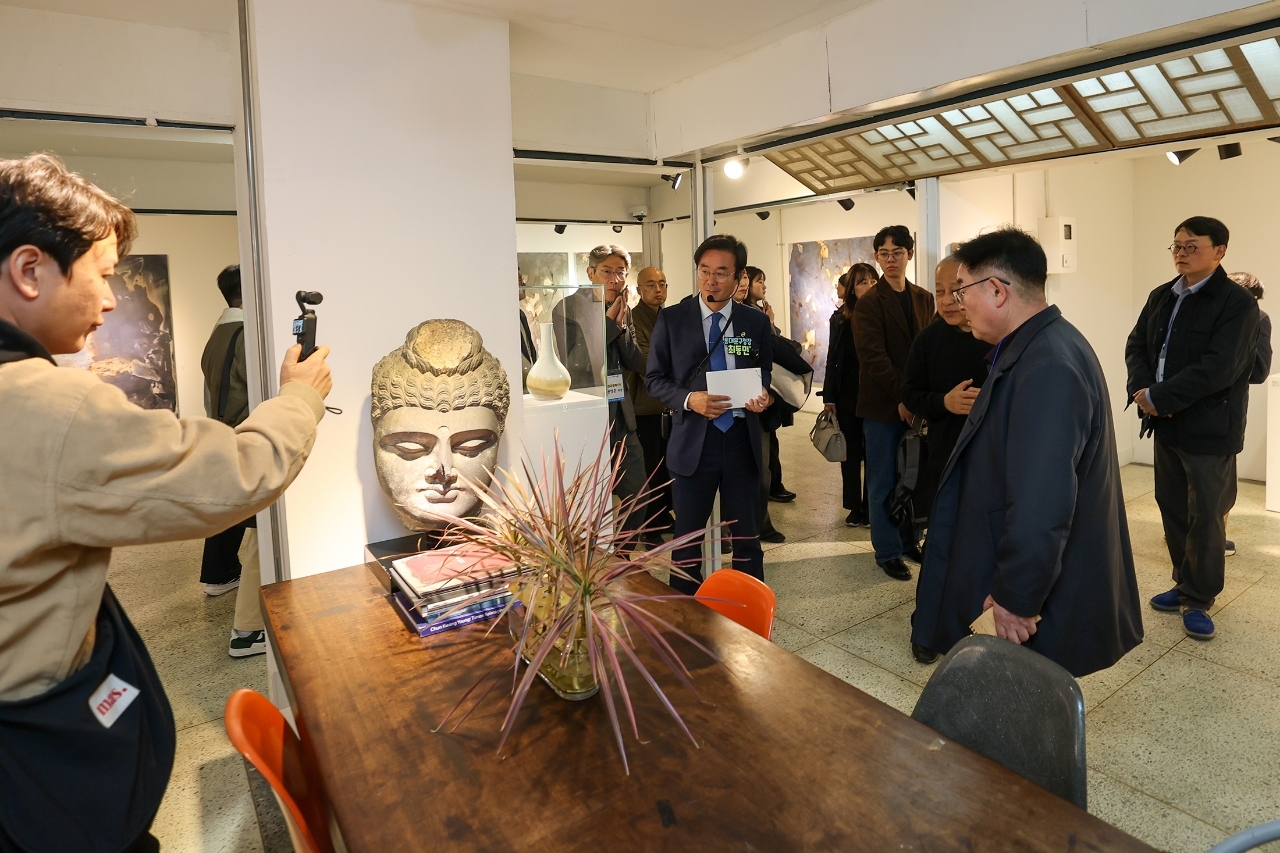
Antique art, film and library linked in 'Dongdaemun Cultural Complex Belt'
The starting point of the cultural complex belt is the Dapsimni antique art market. Established in the early 1980s, the market holds a concentration of traditional cultural assets including ceramics, antique paintings and calligraphy, and vintage furniture.
Choi outlined plans to leverage these traditional cultural assets as a new engine of growth for the district, introducing visitors to the market's history and significance.
The district plans to develop the Dapsimni antique art market into a cultural hub by linking it with the Dapsimni Film and Media Art Center, where visitors can enjoy both traditional art and contemporary film and media culture side by side.
The Film and Media Art Center, which signed an agreement with the Eland Cultural Foundation this year, will expand cultural collaboration by making use of existing spaces including a film set inside the market and the Dapsimni Art Lab. The district is preparing hands-on antique art education programs for children, and next year plans to pursue an art fair where merchants and young artists collaborate.
The concept involves creating original works inspired by the history, form and patterns of antique pieces, then displaying and selling them alongside the originals — moving traditional cultural assets beyond passive viewing and into new cultural products.
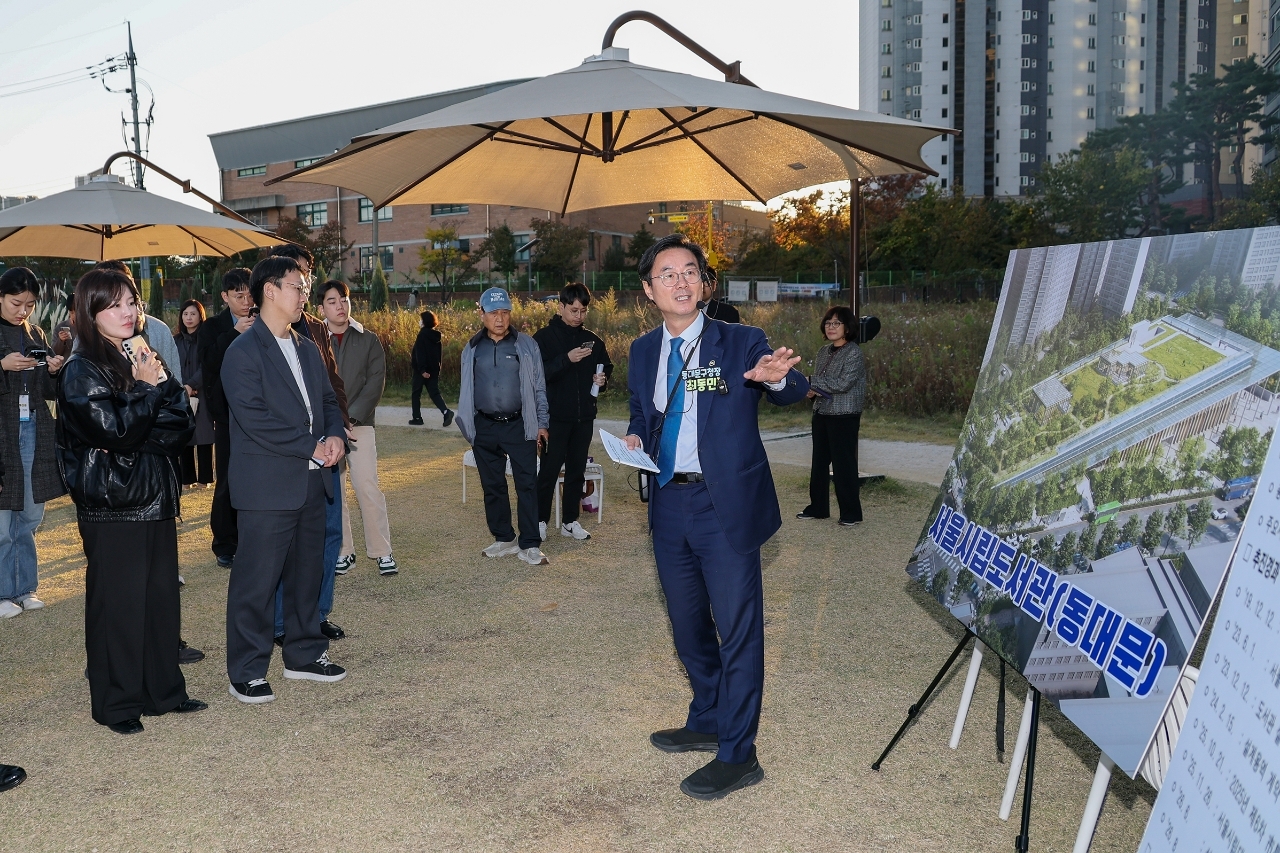
Seoul Metropolitan Library construction on track for 2031 opening
The Seoul Metropolitan Library — the centerpiece of the cultural complex belt — will be built on a site in the Jeonong-dong 691-3 area. A long-awaited project for residents, it will occupy a school site that has sat vacant for years, with two below-ground floors and two above-ground floors covering a total floor area of 25,531 square meters.
The total project cost, excluding land, is about 226 billion won ($171 million), to be funded entirely by the Seoul Metropolitan Government. The building will use low-carbon, eco-friendly timber construction and will house reading and reference spaces alongside a Seoul 50+ Campus, a civic university, a Seoul-style children's cafe and a rooftop garden. The facility aims to be a multigenerational cultural complex that adds exhibitions, performances and education to its core library function.
Design work was completed in June, a construction tender notice was issued in August, and the goal is to break ground in the second half of this year, complete construction in 2030 and open in 2031.
Choi said that, as a project led by the Seoul Metropolitan Government, contractor selection and ground-breaking procedures need to be expedited.
"This is a project residents have waited a long time for, so I hope the remaining procedures move quickly and the ground-breaking this year goes ahead without a hitch," he said. "The district will spare no administrative support — securing pedestrian access to Cheongnyangni Station, expanding surrounding infrastructure and coordinating permits and approvals."
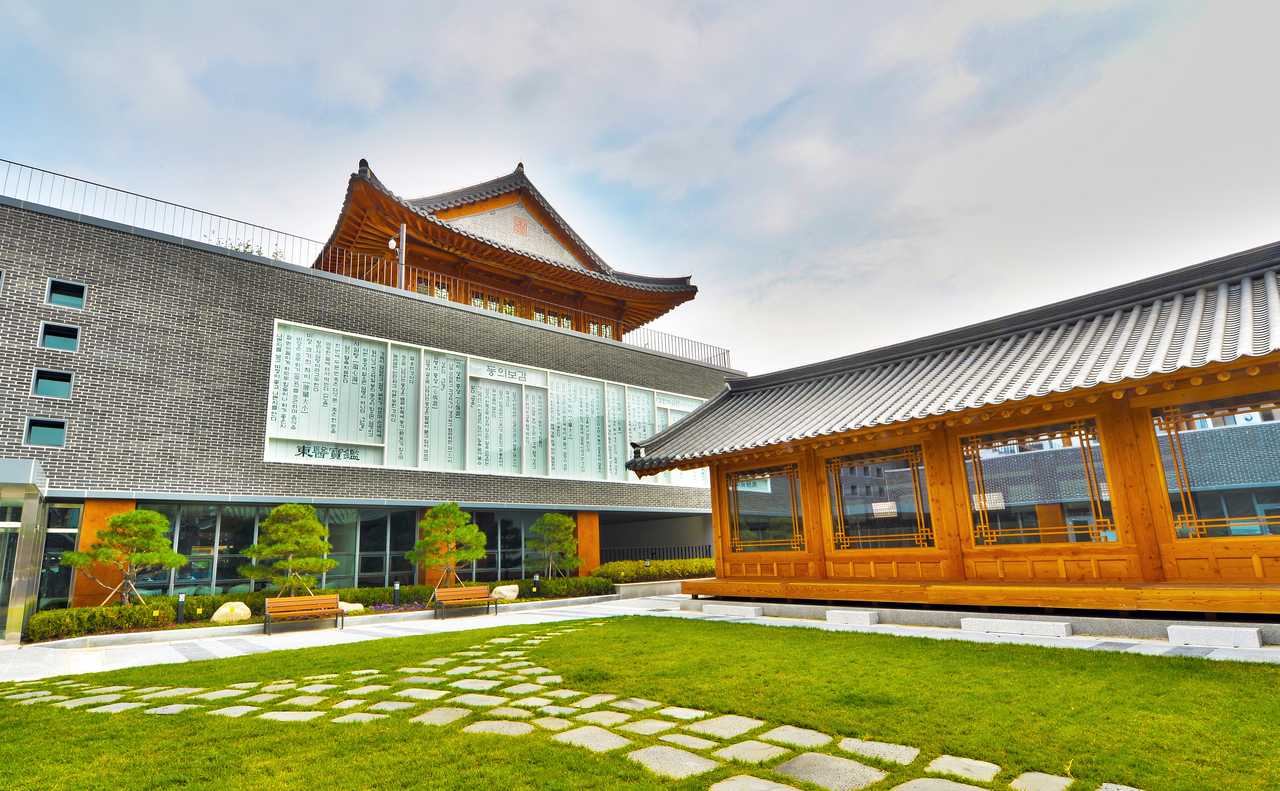
Performances and food added to Korean medicine experiences in push for 'K-wellness' destination
At Gyeongdong Market, Choi examined a coexistence model between a traditional market and private business. The Starbucks Gyeongdong1960 branch and Geumseong Jeonpasa — both cultural spaces that opened in December 2022 inside the former Gyeongdong Theater — give visitors new reasons to come to the traditional market. The Gyeongdong1960 branch sets aside 300 won per item sold, channeling the proceeds into local community activities such as improving the market environment.
The district is also pursuing the creation of a "Hanbang Street" centered on the Seoul Yangnyeongsi herbal medicine district and the Seoul Hanbang Promotion Center.
The Seoul Hanbang Promotion Center is a traditional Korean medicine cultural complex where visitors can tour a museum, soak their feet in herbal baths, try Bojewon traditional medicine experiences and sample medicinal cuisine. It has also been designated an outstanding wellness tourism destination by the Ministry of Culture, Sports and Tourism and the Korea Tourism Organization.
The district plans to extend the center's traditional medicine programs into the surrounding streets through performances, food offerings and weekend and evening programming. The courtyard in front of the center will serve as a regular weekend cultural space, with seasonal evening programs, street performances and food trucks to be introduced in stages.
The goal is to draw visitors who come for the traditional medicine experience into nearby shops and the traditional market, turning tourism into a driver of local economic activity.
The district will commission a master plan study by 2027 to map out a concrete direction, and plans to regularize festivals and cultural content to develop the area into a K-wellness tourism destination drawing both domestic and international visitors.
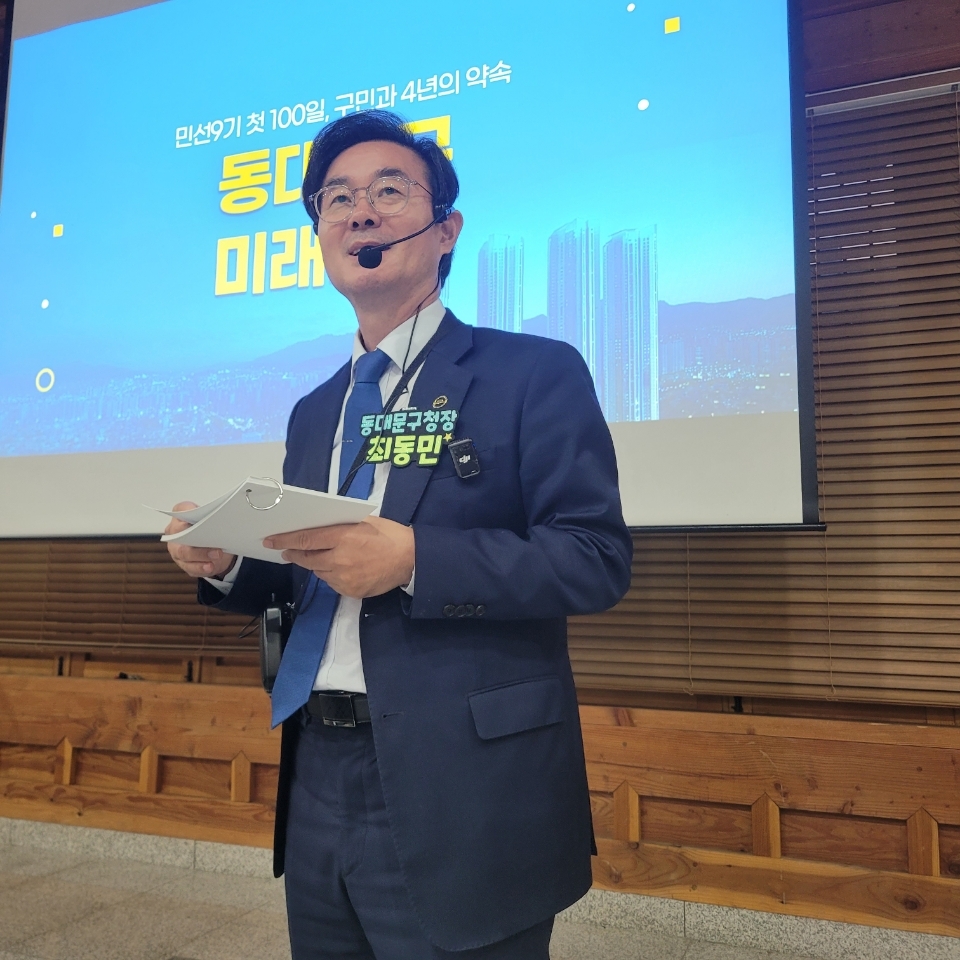
'Dongdaemun Triple Ten' spans culture, welfare and economy
At the future vision briefing, Choi also presented the "Dongdaemun Triple Ten," a framework capturing the governance direction for the ninth elected term.
The three pillars are: a "10-minute daily life" bringing culture, sports and health within easy reach; a "10-minute safety net" ensuring care and welfare services are available when needed; and a "decade of transformation" preparing for the future through local economic development, metropolitan transit, education and youth policy.
To that end, the district plans to establish cultural and sports hubs across five zones. A performance venue in the Sinseol and Yongdu transit-oriented area, a Dongdaemun-gu Arko arts center in the Jegi and Cheongnyangni zone, the Seoul Metropolitan Library in the Jeonong and Dapsimni zone, a civic hall in the Jangan zone, and a multipurpose welfare center in the Imun, Hwigyeong and Hoegi zone are all in the pipeline.
Other priorities include health management through smart healthcare centers in each neighborhood, cutting commute times with public circulator buses, and developing signature alley routes and alley-style shopping districts. The district also plans to strengthen its social safety net by tackling loneliness and social isolation and reinforcing integrated care services.
"I want to grow Dongdaemun-gu's appeal by connecting its history with new cultural spaces," Choi said. "My goal is to make this the cultural heart of northeastern Seoul — where residents enjoy culture and learning close to home, and visitors linger in the markets and alleyways."
More than 100 days into his term, what Choi put forward through this press tour goes beyond introducing individual projects — it is a vision for Dongdaemun-gu's future. The plan is to connect the district's scattered historical and cultural assets into a coherent whole and channel that into tourism and commercial revitalization. However, for the cultural complex belt and Hanbang Street to translate into real economic gains, the district will need more than new facilities: sustained content development, private-sector participation and longer visitor dwell times will all be essential. Whether Choi can turn his blueprint into concrete results is set to be the defining challenge of the ninth elected term in Dongdaemun-gu.
seouldream01@heraldcorp.com