Joo calls for fines, compulsory levies over Coupang Inc's refusal to cooperate with on-site probe
Rebuffs US discrimination claims, saying domestic firms face higher penalty rates
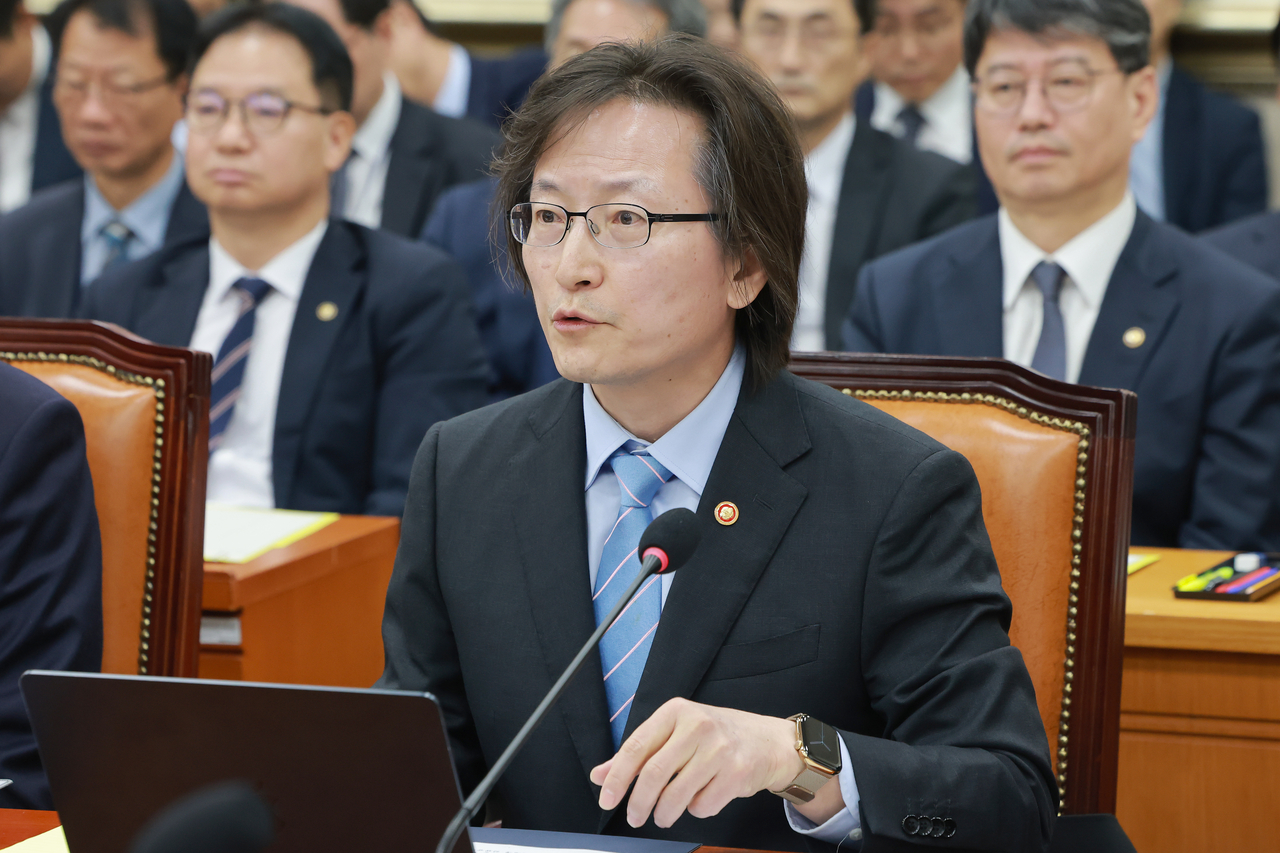
Fair Trade Commission Chairman Joo Byung-ki said the agency should be empowered to impose fines equivalent to 1 percent of a company's total sales when it refuses an investigation. While expressing caution about granting the FTC coercive investigative powers — a proposal that gained traction after Coupang Inc blocked an on-site probe — Joo put forward a plan to strengthen financial penalties instead.
Appearing on KBS's Sunday Diagnosis program that day, Joo said the law must be amended to allow the FTC to impose both fines and compulsory levies on companies that refuse on-site inspections.
"When a company refuses an investigation, the fine imposed should not be a slap on the wrist — imposing 1 percent of total sales would be an efficient way to strengthen investigative authority," he said.
Under current law, the FTC can only impose a minor administrative fine when a company obstructs an on-site inspection; it cannot levy a surcharge or pursue criminal sanctions. That limitation came to light in connection with Coupang Inc's alleged violation of the Large-Scale Distribution Business Act, which the FTC had sought to investigate on-site before the attempt fell through.
On persistent US claims that the FTC's actions against Coupang Inc amount to discrimination against American companies, Joo said the agency "does not discriminate by nationality" in its enforcement, adding that it actually applies stricter enforcement against domestic firms.
"Looking at past sanctions, the rate of fines imposed on domestic companies is higher," Joo said. He rebuffed the argument that foreign firms face heavier penalties, saying the large absolute amounts levied on overseas companies reflect the enormous scale of firms such as Google and Microsoft, whose relevant sales figures are simply much larger.
Asked about granting the FTC coercive investigative powers, Joo said the agency faces no significant obstacle to law enforcement even with its current administrative investigative authority alone.
Calls for coercive powers had grown louder recently amid Coupang Inc's refusal to allow an on-site inspection and Hanwha's refusal to submit documents, but Joo said the need for such powers was limited.
Amid allegations that information from the FTC's probe into trademark royalty fees had been leaked to Hanwha, Joo was asked whether the incident was the result of an individual employee acting improperly. "That has not been confirmed," he said, adding that the agency would conduct a thorough internal investigation given that the allegations had been raised.
He said the FTC operates various safeguards and systems to prevent the leaking of investigation information.
jeongwan@heraldcorp.com