33 suspected cases per 1,000 outpatients — 3.7 times last year's level — prompt early warning; inflammation triggers clots, raising heart attack death risk during outbreaks; high-dose vaccine cuts heart failure hospitalizations 21%, with Sanofi's Efluelda the only approved option
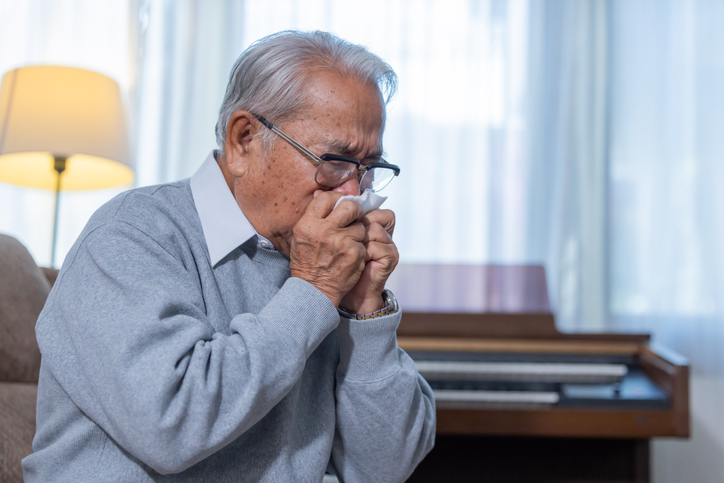
This year's influenza season has arrived more than a month ahead of schedule, setting off alarm bells for high-risk groups — particularly adults 65 and older and people with cardiovascular disease — whose weakened immune defenses leave them especially vulnerable.
Flu is not simply a respiratory infection. It triggers acute systemic inflammation that can destabilize arterial walls and lead to life-threatening cardiovascular events such as heart attacks and heart failure.
Health authorities issued the "2026–2027 season influenza epidemic caution" on Sept. 11, more than a month earlier than in previous years, in response to the rapid surge in cases.
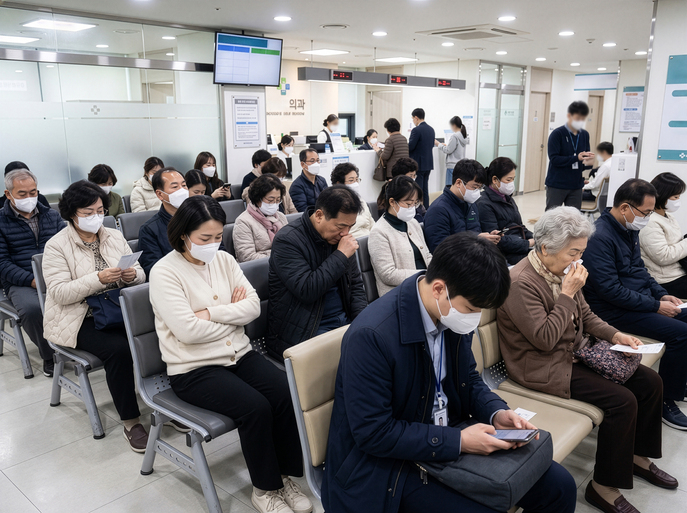
Surveillance data from the Korea Disease Control and Prevention Agency showed that during week 39 (Sept. 20–26), the proportion of influenza-like illness among outpatients reached 33.0 per 1,000 — about 3.7 times the 9.0 per 1,000 recorded during the same period last year. The indicator climbed steeply over the past four weeks: 25.3 in week 36, 31.0 in week 37, 32.3 in week 38, and 33.0 in week 39.
Same flu, different danger: why the elderly and heart patients face greater risk
Medical experts note that influenza, unlike ordinary respiratory illnesses, triggers a systemic inflammatory response throughout the body.
Older adults are particularly exposed. Aging weakens immune function — a process known as immune senescence — and many elderly patients also live with chronic conditions such as hypertension, diabetes and heart failure, compounding their vulnerability. These factors significantly raise the risk that a flu infection will lead to hospitalization or a worsening of underlying disease.
International clinical research has confirmed that as influenza incidence rises among adults 65 and older, cardiovascular deaths tend to increase in parallel.
The link to heart attack deaths is particularly striking: for every increase in flu incidence over the preceding 14 days, heart attack mortality rose by 5.8 to 13.1 percent.
When a flu infection amplifies the body's inflammatory response, atherosclerotic plaques built up on arterial walls become unstable and conditions become favorable for blood clot formation — directly raising the risk of acute cardiovascular events such as heart attacks.
"For high-risk groups, influenza vaccination matters not only for preventing infection itself but also for reducing the risk of underlying conditions worsening," said Kwak Kyung-geun, president of the Korean Medical Association's internal medicine division. "Older adults face a heightened risk of severe illness due to immune senescence and chronic disease, while cardiovascular patients face additional strain on the heart and blood vessels from infection — making vaccination all the more important for both groups."
High-dose flu vaccine shown to cut hospitalization burden, not just infection
Because immune senescence can prevent older adults from mounting an adequate immune response even after standard-dose vaccination, high-dose influenza vaccines — formulated with greater antigen content than conventional shots — have been developed to address the gap.
Recent research has moved beyond measuring simple infection prevention to examining real-world clinical outcomes such as reductions in hospitalizations and severe complications.
A large-scale analysis of the FLUNITY-HD trial, covering approximately 460,000 adults aged 65 and older, found that recipients of the high-dose vaccine had 31.9 percent fewer laboratory-confirmed influenza hospitalizations than those who received a standard-dose vaccine. Hospitalizations for influenza or pneumonia fell 8.8 percent, cardiopulmonary hospitalizations dropped 6.3 percent, and overall hospitalization rates declined 2.2 percent, demonstrating a preventive effect across all major hospitalization indicators.
The reduction in cardiovascular-related hospitalizations was also notable. The high-dose group saw 6.6 percent fewer hospitalizations for all cardiovascular conditions and 6.5 percent fewer for all respiratory conditions. Particularly striking was a 21.3 percent reduction in hospitalizations due to heart failure.
A separate comparative study (QHD00013) confirmed the non-inferiority of immunogenicity between trivalent and quadrivalent high-dose formulations, meaning the efficacy findings apply to both. The only high-dose influenza vaccine currently approved in South Korea is Sanofi's Efluelda prefilled syringe (split influenza vaccine).
"High-risk groups such as adults 65 and older and cardiovascular patients face a greater risk of hospitalization and complications from influenza, so it is worth examining which available vaccines have demonstrated risk-reduction benefits in those specific patient populations," Kwak said. "Rather than simply deciding whether to get vaccinated, high-risk individuals should consult their physician to determine which option among the available choices is most likely to help reduce their personal risk of severe illness and hospitalization."
silverpaper@heraldcorp.com