Trump battered by high costs and Iran war backlash
Democratic House win could brake tariffs and budget
Republicans in tight races even in Kansas stronghold
Results expected to emerge Sunday–Monday; close contests could take weeks
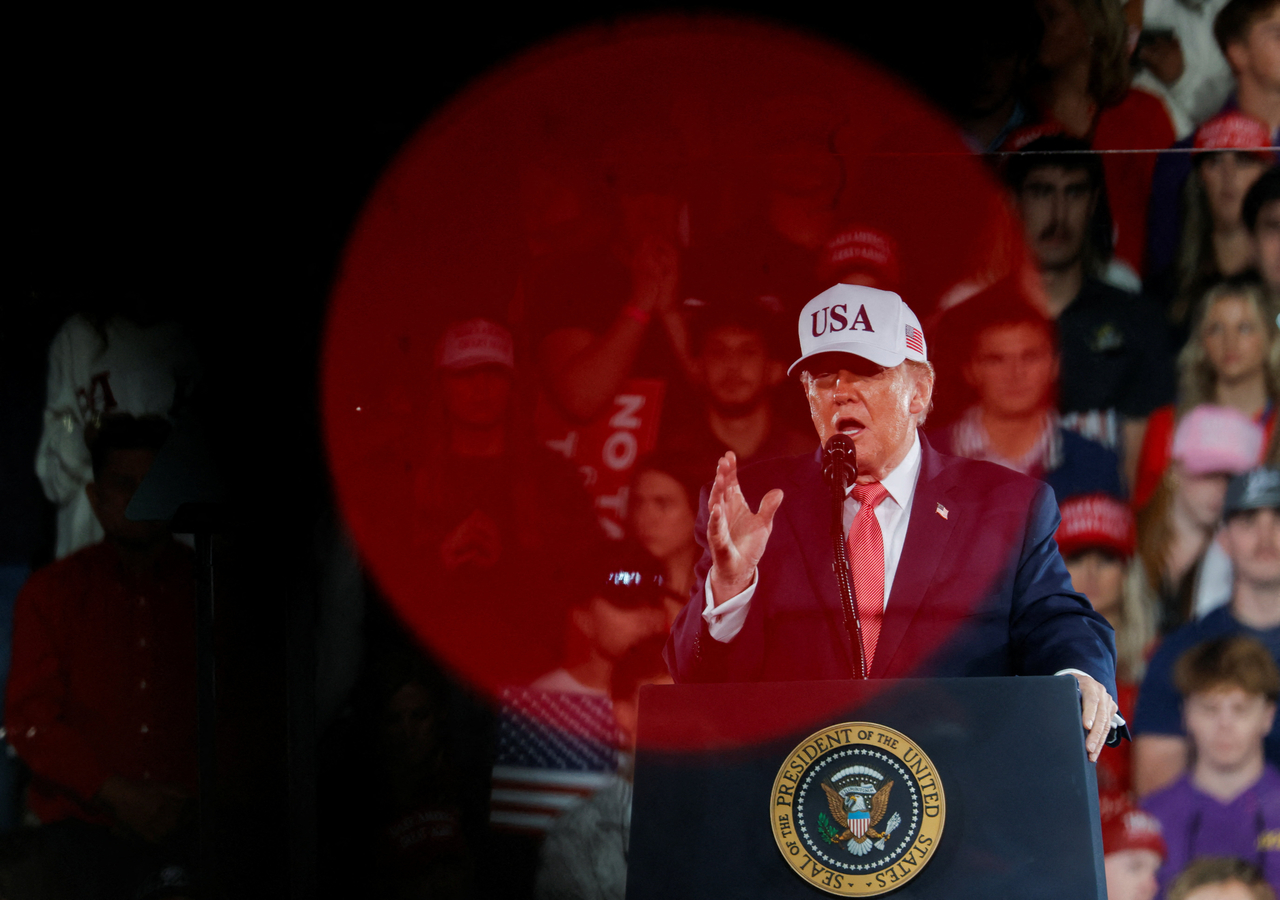
With the US midterm elections now 10 days away — scheduled for Nov. 3 (local time) — the ruling Republican Party is facing a referendum on the Trump administration, with even reliably conservative districts coming within reach of the Democratic Party. Democrats need a net gain of four seats in both the Senate and the House to reclaim majorities in both chambers. The election is expected to serve as a midterm report card on the Trump administration's second term and a preview of the 2028 presidential election.
The central question is whether Republicans can hold their majorities in both chambers. Conventional wisdom holds that midterm elections tend to disadvantage the party in power — a pattern Trump himself experienced in 2018, when Republicans lost their House majority during his first term. However, some analysts caution that variables such as ongoing redistricting disputes in several states make the outcome difficult to predict.
① How many seats are up for grabs in the 2026 midterms?
Federal elections in the United States have traditionally been held on the first Tuesday of November since the 19th century, a schedule shaped by the demands of agriculture — then the country's dominant industry — and church calendars.
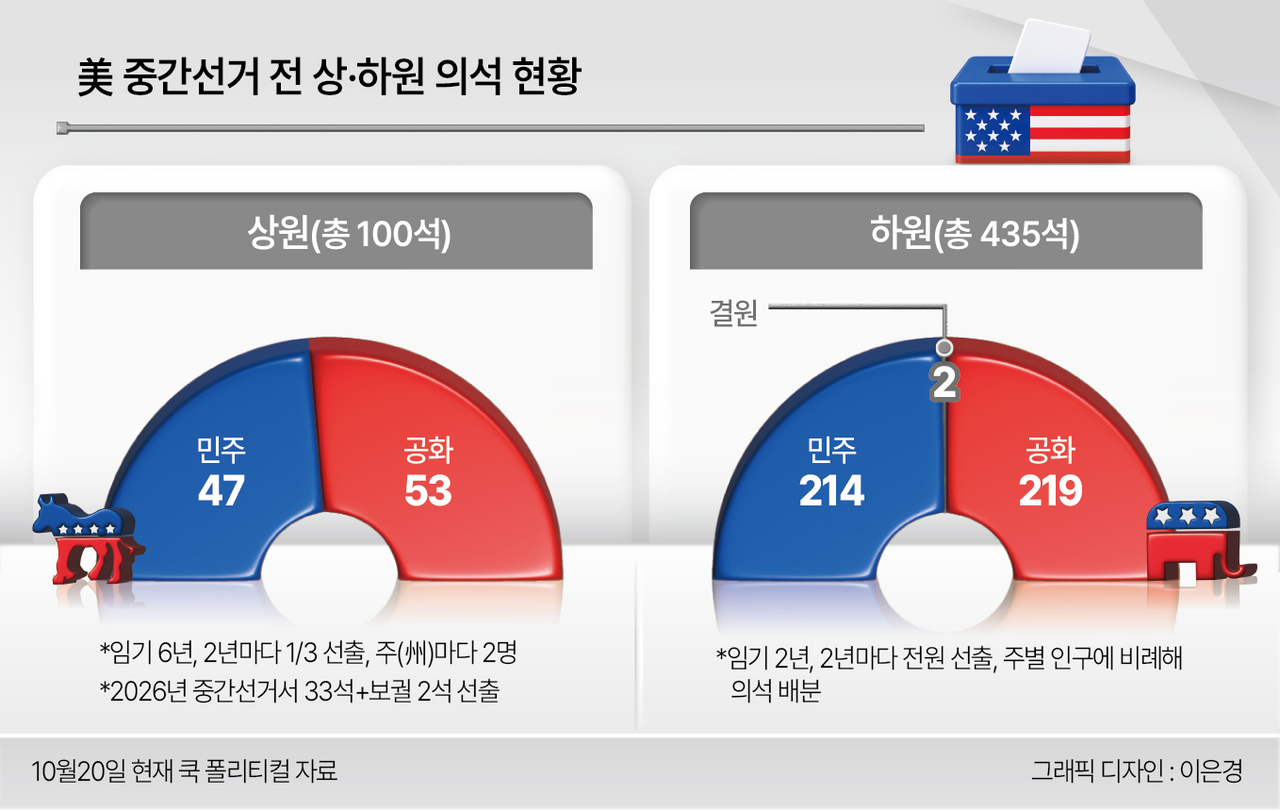
Senators serve six-year terms, and one-third of the 100-seat chamber is elected every two years to ensure political continuity by preventing a wholesale turnover of the Senate at once. This cycle, 35 seats are up for election, including two special-election seats in Ohio and Florida.
Republicans currently hold 53 Senate seats to Democrats' 47 (including independents who caucus with the party). Because Vice President JD Vance, who also serves as Senate president, casts the deciding vote in a tie, Democrats need a net gain of four seats to win the majority.
All 435 House seats are contested every two years. Gubernatorial races will be held in 36 of the 50 states. Alongside governors, voters will also choose lieutenant governors, attorneys general, secretaries of state and state legislators in large numbers.
② Which states are not electing senators this cycle?
Of the 35 Senate seats on the ballot — 33 regular seats plus two special elections — the special elections in Ohio and Florida fill vacancies left by Vice President Vance and Secretary of State Marco Rubio when they left the Senate to join the administration.
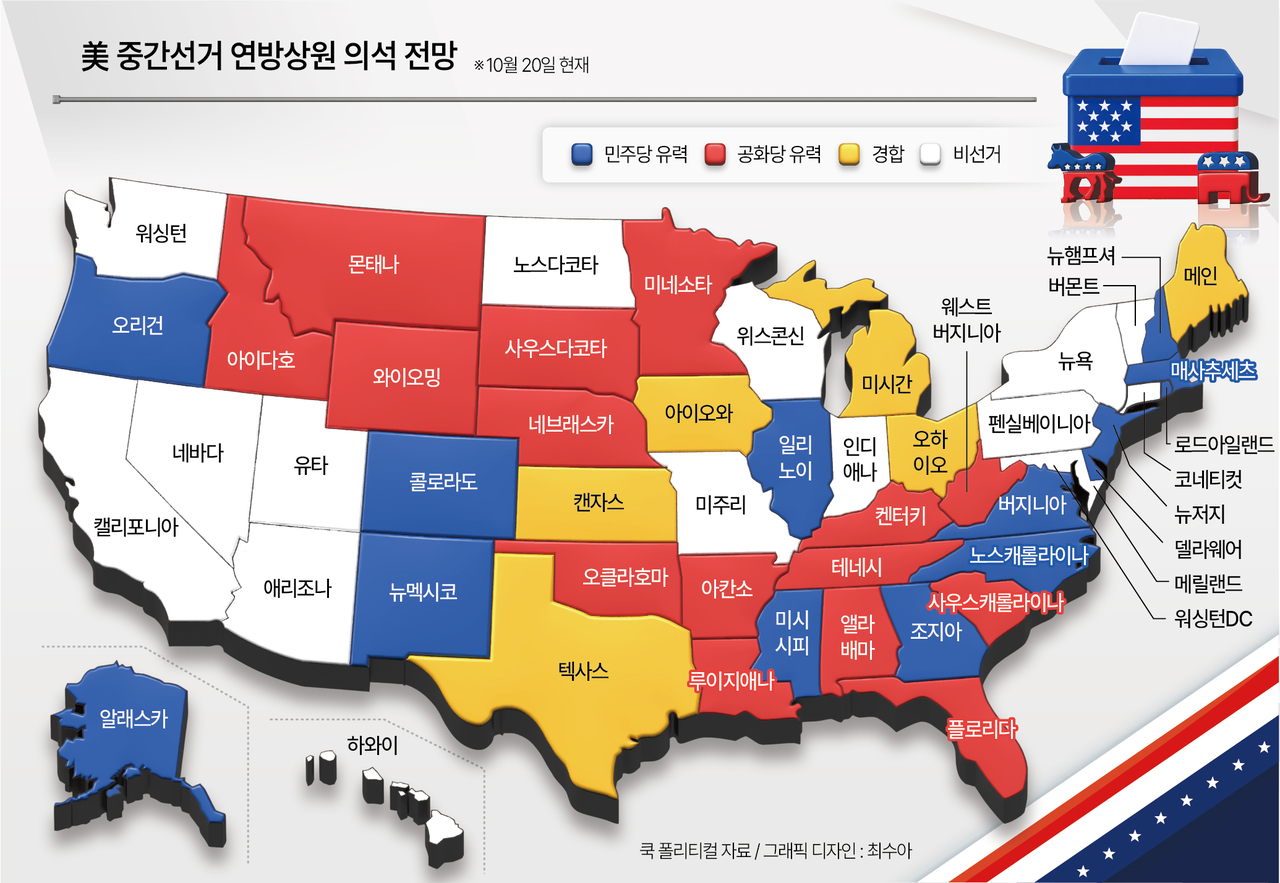
The 15 states holding no Senate election this year are Arizona, California, Connecticut, Vermont, Hawaii, Indiana, Maryland, Missouri, Nevada, New York, Washington, North Dakota, Pennsylvania, Utah and Wisconsin.
③ What does the current Senate and House landscape look like?
With President Trump's approval rating at 33% — a record low — forecasts unfavorable to Republicans have been emerging even in the relatively competitive Senate. Decision Desk HQ, a US election analytics firm, put the probability of Democrats reclaiming the Senate majority at 56% in a projection released Sunday, with Republicans holding at 44%.
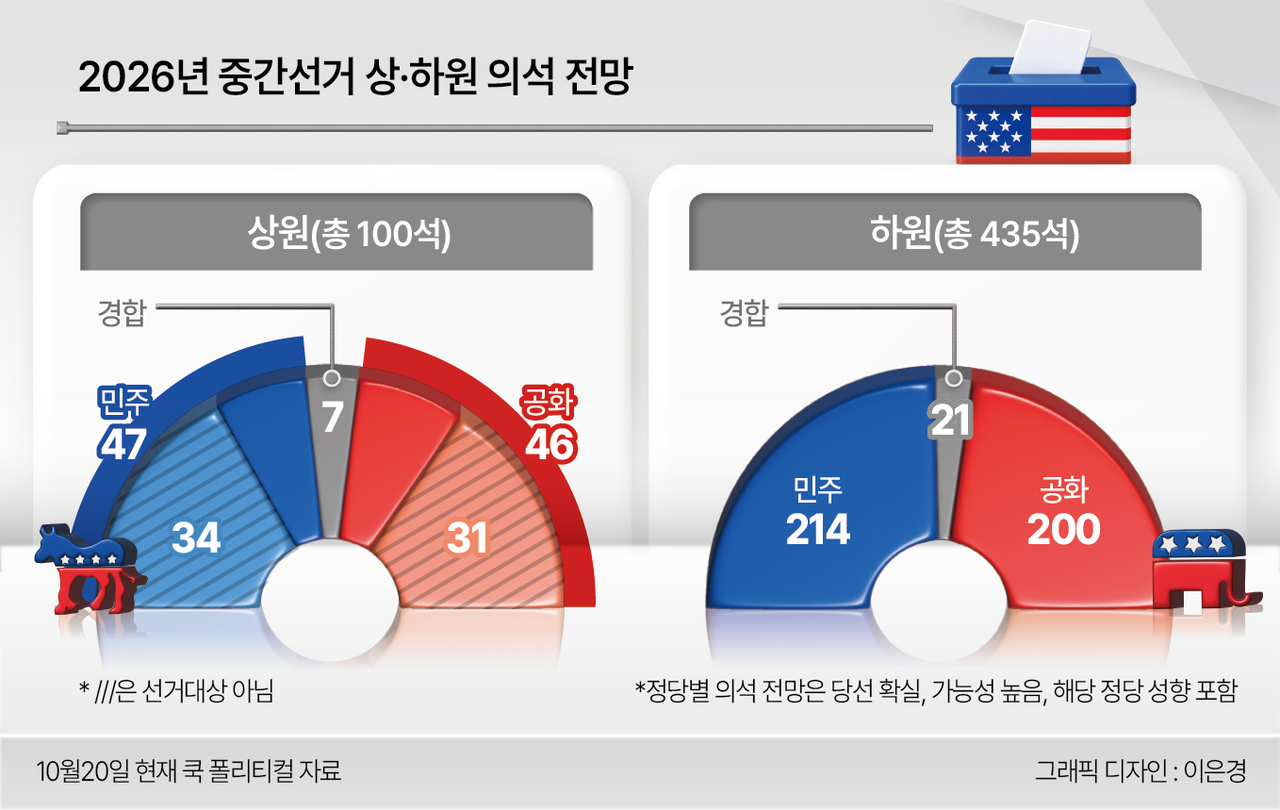
Cook Political Report classifies 47 Senate seats as leaning Democratic, 46 as leaning Republican and seven as toss-ups. RealClearPolitics projects 46 seats leaning toward each party, with eight toss-ups. However, when RealClearPolitics allocates those contested seats based on recent polling averages, its separate analysis projects Democrats winning 53 seats to Republicans' 47.
In the House, as of Tuesday, Republicans are considered certain to win 171 seats, with 16 more rated as likely pickups. Democrats are seen as certain to win 185 seats, with 17 more rated as likely gains. Of the 46 districts not yet rated as safe for either party, 34 are currently held by Republican incumbents and 12 by Democrats.
Combining Cook Political Report's ratings — safe seats, likely seats and partisan lean by district — the current picture shows Democrats at 214 seats, Republicans at 200 and 21 seats rated as competitive.
④ Where are the biggest battlegrounds?
The most competitive races this cycle have spread beyond traditional swing states into territory that has long leaned Republican. In the House, Democrats need a net gain of at least three seats to win the majority. Key battlegrounds include several House districts in the Rust Belt states of Pennsylvania, Michigan and Ohio, as well as Virginia and Iowa.
The list of Senate toss-ups is also growing rapidly. According to Cook Political Report, seven states are considered core battlegrounds: Alaska, Iowa, Kansas, Maine, Michigan, Ohio and Texas. Fierce contests are unfolding not only in traditional swing states such as Michigan, Georgia, North Carolina and Maine, but also in states with strong Republican bases — Ohio, Iowa, Texas, Kansas and Alaska.
⑤ When will votes be counted and results confirmed?
Counting will begin on election night — the evening of Nov. 3 (local time) — with substantive results expected to emerge from Sunday morning Korean Standard Time.
The broad outlines of the House majority could become clear between Sunday and Monday Korean Standard Time, but close races could extend the count from several days to several weeks. This year, Idaho, Nebraska and Wisconsin have changed their certification deadlines, and nine other states have also amended laws governing their counting and certification procedures.
⑥ How are soaring living costs and the Iran war shaping the vote?
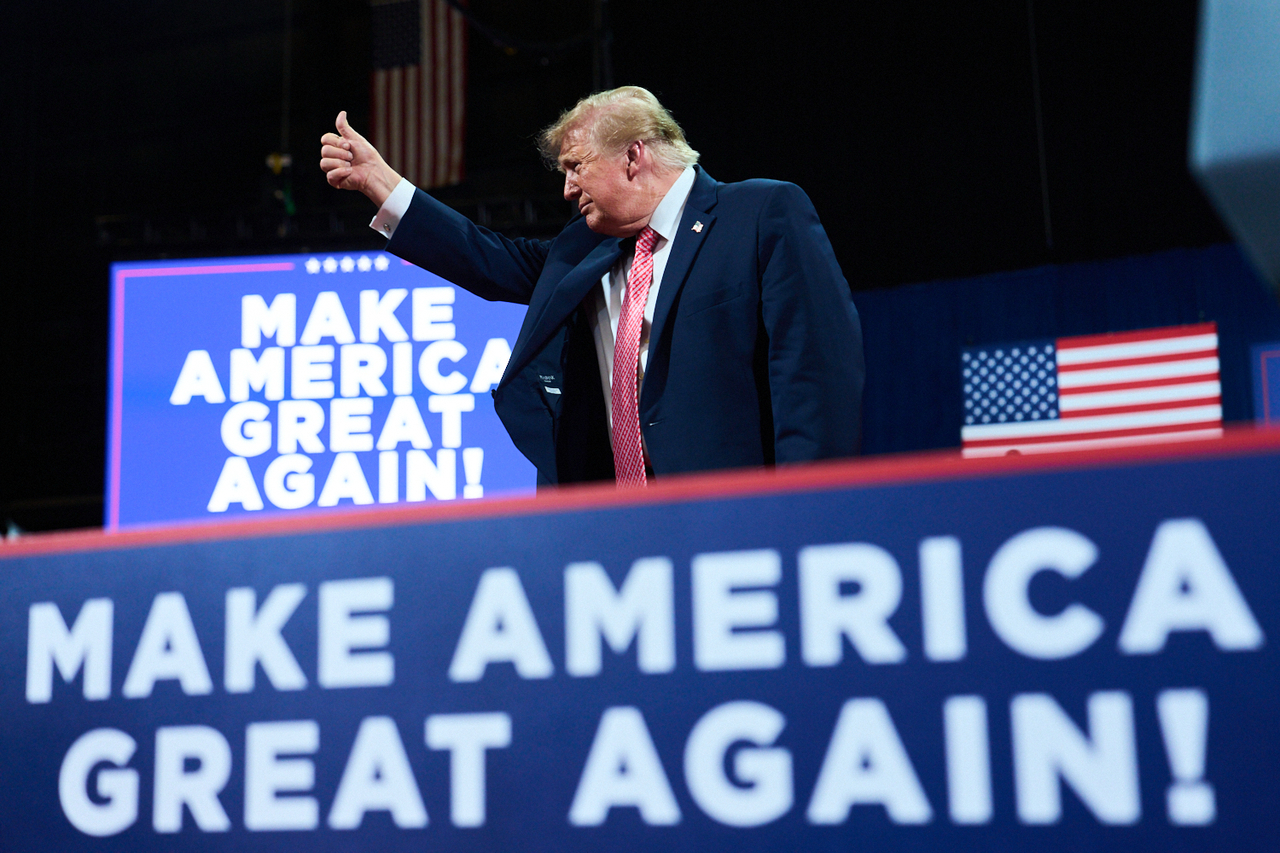
President Trump's approval rating has been hitting new lows. A Reuters/Ipsos poll released Monday showed his job approval at 31% — the lowest of his combined first and second terms. Among registered voters asked which party's House candidate they would support, Democrats led at 47%, 12 percentage points ahead of Republicans at 35%.
That figure is even lower than the 33% approval rating recorded in a Washington Post/ABC News/Ipsos survey released Friday. In that poll, Democratic House candidates led their Republican counterparts by 8 percentage points. Negative assessments of the cost of living reached 77%, pointing to high inflation and broader economic concerns as the primary drivers of Trump's declining support.
Discontent over high prices and the war with Iran is rattling American voters. Trump, who won re-election on promises to tame inflation, now faces growing accountability for rising living costs and a prolonged military conflict. The US consumer price index for September rose 3.7 percent year-on-year, exceeding market expectations of 3.6 percent. Gasoline prices surged 9.1 percent, accounting for more than half of the month's overall price increase. However, analysts note that disillusionment with Republicans does not automatically translate into Democratic votes, making actual voter turnout a key variable.
⑦ Why are the two parties fighting over mail-in ballots and voter rolls?
Legal battles over mail-in voting and voter roll management continue to intensify. The Trump administration has moved to tighten election rules, citing the need to prevent non-citizens — including undocumented immigrants — from casting ballots illegally.
The administration expanded the federal Systematic Alien Verification for Entitlements (SAVE) system to screen voter registrations for non-citizens. According to the Associated Press, at least 25 states queried more than 67 million voter registration records through the system. The review flagged about 24,000 cases as suspected non-citizens, which are now under investigation. Among them, a South African-born US citizen in Texas was incorrectly classified as a non-citizen and had their voter registration temporarily canceled — the result of missing a 30-day response deadline while waiting for a replacement passport to prove citizenship. A federal district court in Washington, D.C., ruled Monday that the Justice Department's voter roll verification policy was unlawful, finding that errors in government data put legitimate voters at risk of losing their right to vote.
The Democratic Party and civil rights groups have pushed back, arguing that the administration's aggressive voter roll purges and eligibility checks could disenfranchise lawful voters. With razor-thin margins potentially deciding outcomes in competitive districts, the clash between the two sides is intensifying as election day approaches.
⑧ What is the redistricting controversy about?
Redistricting has emerged as one of the central disputes shaping the partisan stakes of this election. House seats are apportioned to states based on population, and each state then divides its allocation into individual congressional districts. The practice of drawing those boundaries to concentrate or dilute a party's voters — and thereby tilt election outcomes — is known as gerrymandering.
Starting with Texas last year, where Republicans hold the state legislature, Trump pushed to redraw congressional maps in the middle of the census cycle. Republicans sought to redraw districts in Texas, North Carolina, Louisiana and Alabama in their favor, aiming to gain at least roughly 10 additional House seats. Democrats responded with their own redistricting efforts in California, Illinois and New Jersey, along with legal and political challenges designed to offset Republican gains.
New maps have already been finalized in some states and will apply to this cycle's elections, though the changes vary widely by state and many remain tied up in litigation. While early analysis had widely predicted that aggressive Republican redistricting would give the party a structural advantage in the House, the combination of high inflation and a growing anti-administration sentiment has shifted the outlook, with some observers now seeing Democrats as having the upper hand in the chamber.
⑨ How would Trump's remaining two years change?
Even if Democrats win only the House, the Trump administration would face sweeping investigations and hearings, and major legislation and budget bills could be stalled. Analysts note that while the administration would not be entirely paralyzed — the president retains considerable executive and diplomatic authority over areas such as tariff imposition and military operations — the way it governs could change significantly.
Investigations being prepared by House Democratic leadership include scrutiny of the Trump family's cryptocurrency ventures, dealings with foreign governments and companies, conflicts of interest in government contracts, and the release of documents related to Jeffrey Epstein.
The election's ripple effects on South Korea and the global economy are also drawing close attention. Should Democrats reclaim a congressional majority, analysts expect potential shifts in Trump's high-tariff and protectionist trade policies. A Democratic House could expand investigations and hearings examining the legal basis and economic impact of tariff measures, and legislative efforts to curtail the president's trade authority could gain momentum. House Democratic floor leader Hakeem Jeffries has identified cost-of-living relief as a top priority for the first 100 days of a Democratic majority, with tariffs listed as a key issue.
However, because Trump retains broad tariff authority under existing law, a shift in congressional power may not immediately lead to the rollback of tariffs or an easing of trade pressure on South Korea. Treasury Secretary Scott Bessent said Tuesday that even if a Democrat-led Congress were seated after the midterms, there was "very little" it could do to block the Trump administration's agenda.
⑩ What if Trump refuses to accept the election results?
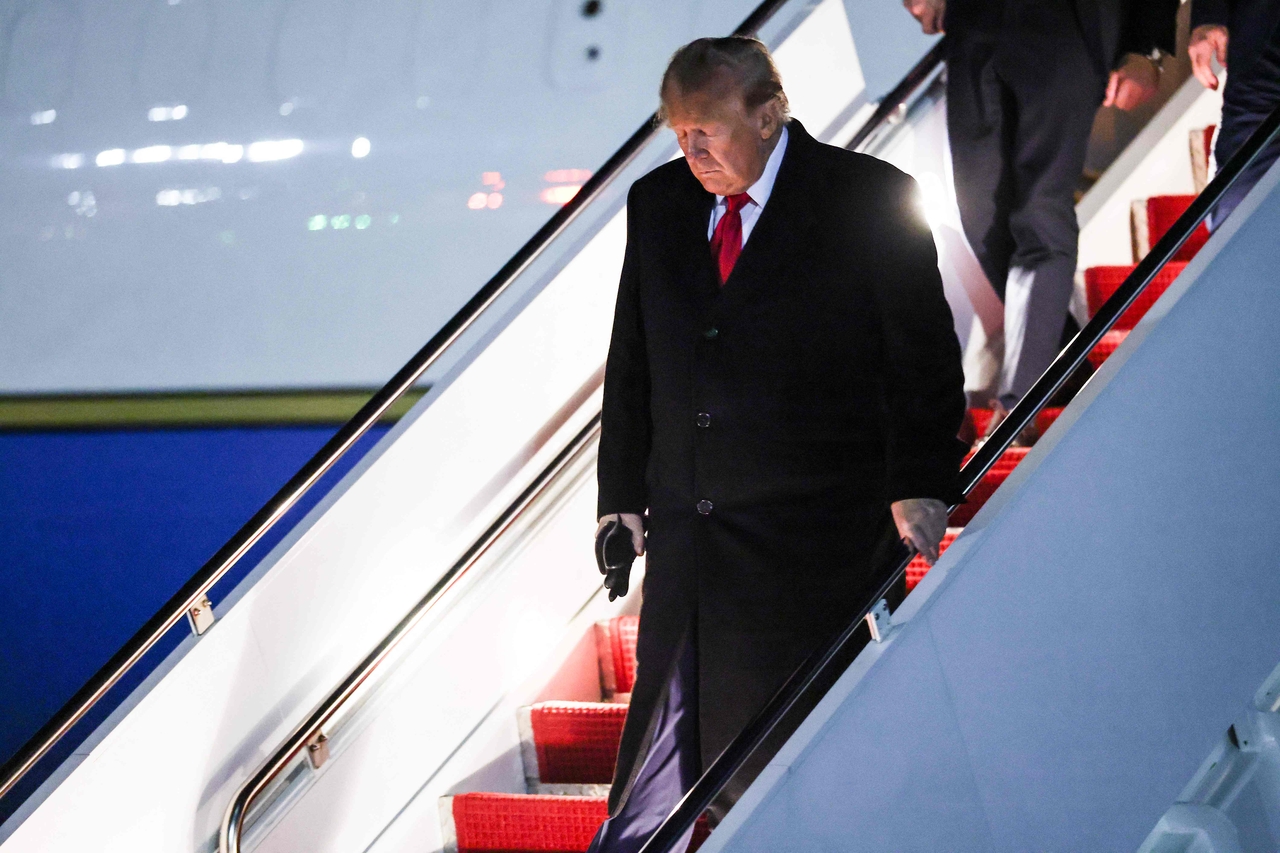
Trump has a precedent for contesting electoral outcomes — after his 2020 presidential election loss, he raised fraud allegations and sought to overturn the results. That history has fueled concerns that he could revive claims of a rigged election if Republicans fare poorly in the midterms. The New York Times recently published an analysis suggesting that Trump's continued attacks on the integrity of the vote may be laying the groundwork for a future challenge to the results.
After courts repeatedly blocked the administration's attempts to restrict mail-in voting and expand federal control over elections traditionally run by state governments, the Trump administration appears to be undermining confidence in the vote by spreading false claims about its reliability.
However, election administration authority in the United States is distributed among the states, not the federal government. For a president to halt a count or overturn results unilaterally, specific errors or illegal conduct sufficient to change the outcome would need to be proven through recounts or litigation. The president has no authority to arbitrarily alter state vote tallies or invalidate an election.
Strict legal constraints also apply to any attempt by the Trump administration to deploy the military or federal law enforcement to interfere in elections. Federal law prohibits the military and federal civil servants from interfering in elections or intimidating voters.
mokiya@heraldcorp.com