
A novel by a Haitian-Canadian author that was dropped from contention for France's most prestigious literary prize amid allegations of AI-assisted writing has been confirmed to have used AI in its composition.
According to France 24 and The Guardian, Quebec publisher Les Éditions du Boréal said in a statement Wednesday (local time) that "new information confirmed in recent days shows that artificial intelligence was used in the writing process" of "C'était ça ou mourir" by Télisson Aurélien, 38.
Aurélien had denied the allegations, insisting "there is not a single sentence written by a machine," but Boréal said it was severing its relationship with him.
The publisher said results obtained this week showed "traces of AI tags in the metadata — the creation and editing information embedded in the files — of certain documents."
However, it acknowledged that the extent to which AI was used remains unclear and that "there is a strong likelihood we will never get a definitive answer." Boréal had publicly expressed its support for Aurélien as recently as a week earlier.

Aurélien's novel follows a teacher who flees violence in his native Haiti and makes his way across North America to Quebec. His debut full-length work had already won several literary awards and was set to be published in translation in more than 20 countries.
The allegations first surfaced last month from an anonymous account on X, formerly Twitter, called "Balance ton Claude" ("Report Your Claude"). The account claimed that analysis using an AI-detection program called Pangram showed portions of the novel were "written almost entirely by AI."
French news agency AFP also reported that when it independently tested excerpts of the novel using Pangram, the tool returned a 100 percent probability that the passages had been written by AI.
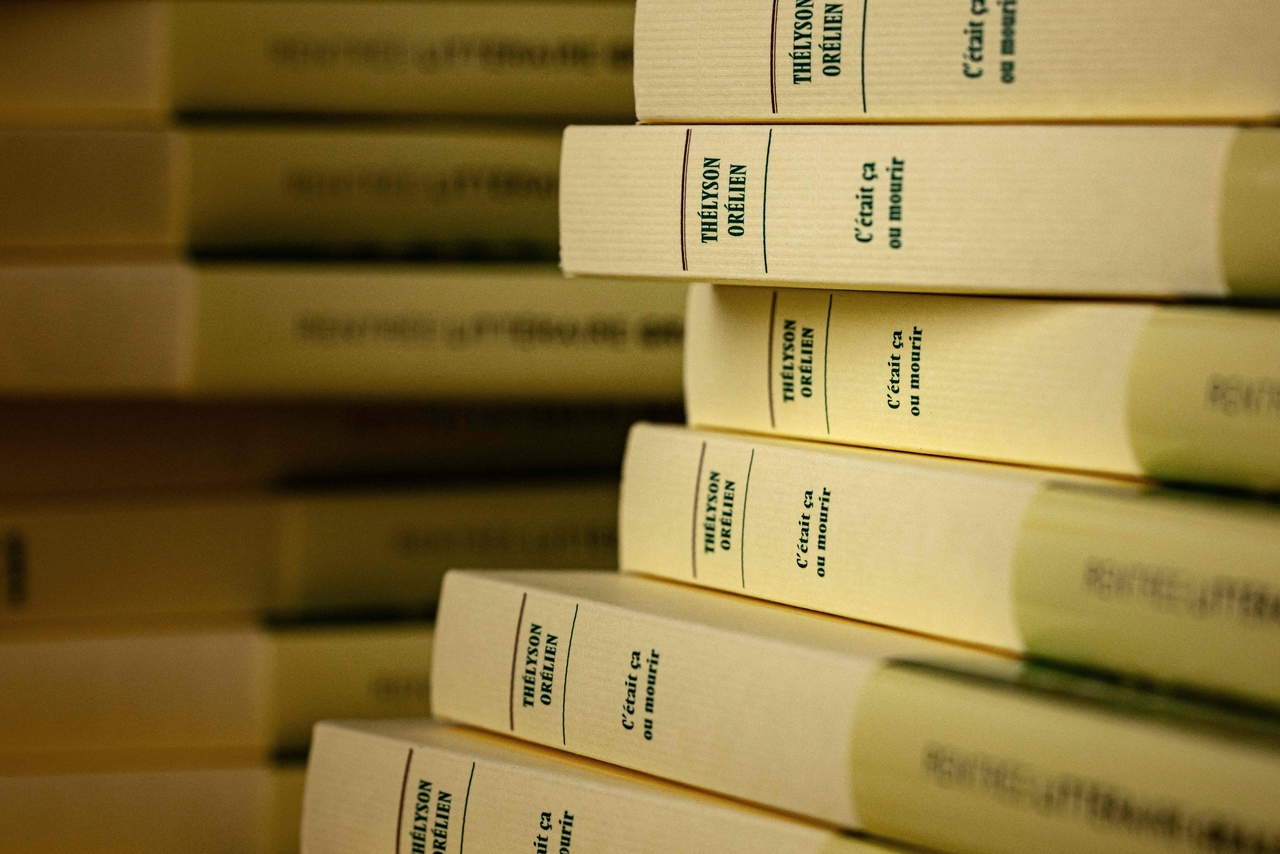
The Académie Goncourt, which administers the Prix Goncourt, excluded the novel from its first-round longlist of 16 titles on Sept. 25.
The academy said the decision was made "to protect the integrity of the Prix Goncourt and the academy," adding that "the academy's core mission is to promote and celebrate literature written by women and men."
It added that it wanted to send "a clear message that we do not in any way support or endorse writing produced with the help of AI." The academy also cited plagiarism allegations surrounding Aurélien's earlier works.
Aurélien pushed back in a statement issued through Boréal on Oct. 13, calling the accusations "heresy and slander" and reiterating that "there is not a single sentence produced by a machine." He did, however, apologize over the earlier plagiarism allegations.
The Prix Goncourt, established in 1903, is France's most prestigious literary award. Its influence on the publishing market is considerable — winning titles sell an average of more than 400,000 copies.
dbsdn1110@heraldcorp.com