Korea Real Estate Board weekly apartment price survey
Seongbuk-gu up 16.1% this year; Yongsan-gu accelerates
Gyeonggi Province gains slow but semiconductor belt holds strong
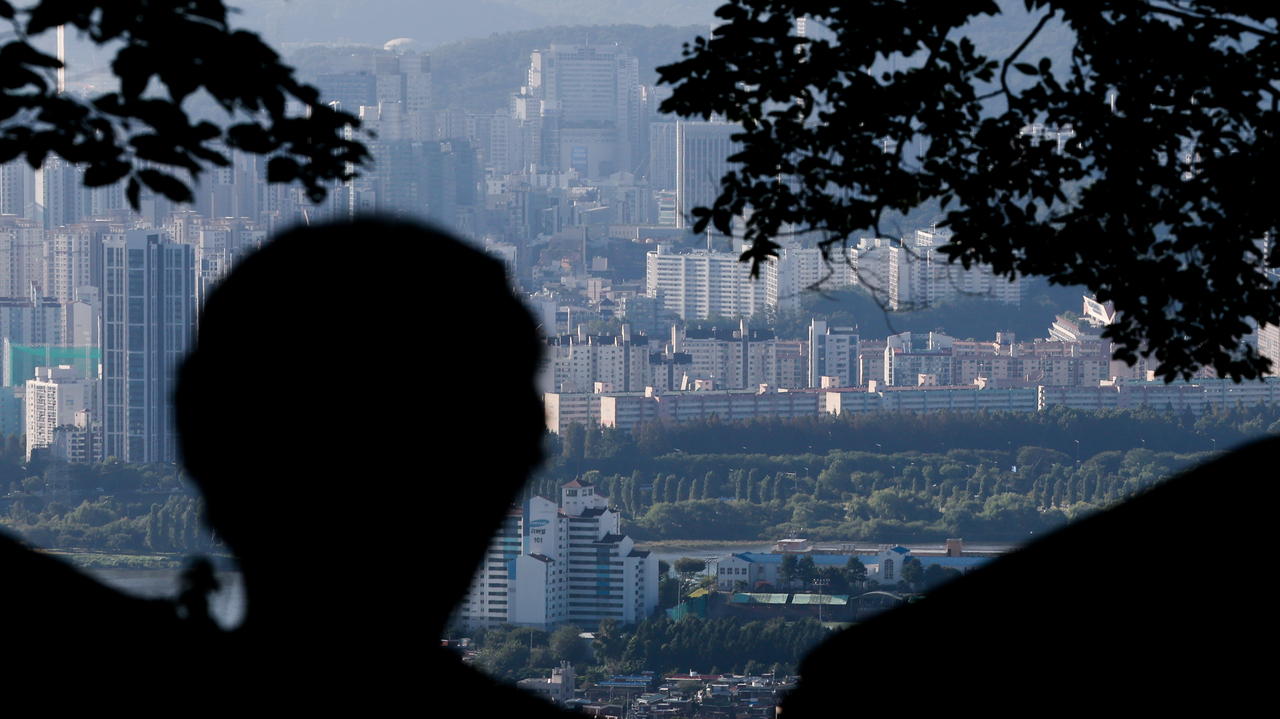
Seoul apartment prices rose for the 89th consecutive week, though the pace of gains slowed from the previous week. Every district in the city posted an increase except the three Gangnam-area districts — Gangnam-gu, Seocho-gu and Songpa-gu. In Hwaseong's Byeongjeom district, prices jumped 0.65 percent in a single week, the highest rate in the country, even though the area carries no regulatory restrictions.
According to the Korea Real Estate Board's weekly apartment price survey for the third week of October 2026 (based on Monday's figures), Seoul apartment prices rose 0.13 percent this week. The gain was smaller than the previous week's 0.16 percent, but the upward streak has now stretched to 89 weeks.
Seongbuk-gu and Seodaemun-gu led all Seoul districts with identical gains of 0.36 percent each. Seongbuk-gu's cumulative increase since the start of 2026 has reached 16.10 percent.
Most districts, including Seongbuk-gu and Seodaemun-gu, saw their pace of gains ease from the previous week. Outer districts that had surged sharply last week — Jungnang-gu (0.31 percent), Gangbuk-gu (0.26 percent), Dobong-gu (0.33 percent), Nowon-gu (0.26 percent) and Eunpyeong-gu (0.10 percent) — all posted narrower increases.
Yongsan-gu, which turned positive last week, continued to climb, rising 0.04 percent this week compared with 0.03 percent the week before. Jung-gu (0.16 percent to 0.35 percent), Seongdong-gu (0.12 percent to 0.21 percent) and Yangcheon-gu (0.14 percent to 0.16 percent) also accelerated.
In the Gangnam area, Seocho-gu posted the steepest decline at 0.32 percent. Gangnam-gu's drop narrowed from minus 0.35 percent last week to minus 0.31 percent this week, while Songpa-gu's decline eased from minus 0.21 percent to minus 0.13 percent over the same period.
"While some areas saw downward-adjusted transactions close, prices rose in large complexes, transit-oriented areas and small-to-mid-sized apartments where demand remained steady, pulling up Seoul's overall apartment prices," a Korea Real Estate Board official said.
Gyeonggi Province's weekly gain slowed to 0.21 percent from 0.26 percent the previous week, but the upward trend continued. The momentum reflected increased liquidity from the semiconductor boom flowing into demand for homes close to major workplaces.
Among all cities and counties in the Greater Seoul area this week, Hwaseong's Byeongjeom district recorded the sharpest rise at 0.65 percent — up 0.10 percentage points from the previous week's 0.56 percent. Although the area is unregulated and allows gap investing, relatively affordable prices have drawn end-user demand, pushing prices higher. Gunpo also posted a strong gain of 0.53 percent, on par with regulated areas.
Other notable gains came from key nodes along the semiconductor belt: Seongnam's Bundang (0.53 percent), Hwaseong's Dongtan (0.57 percent) and Suwon's Yeongtong (0.52 percent). Anyang's Dongan district, which offers strong access to Seoul, also rose 0.56 percent.
Nam Hyeok-woo, a real estate researcher at Woori Bank, said a prolonged shortage of jeonse and monthly rental listings has pushed lower-income end-users toward nearby unregulated areas, while tenants already living in those areas are increasingly choosing to buy. "The market for apartments priced around 600 million won ($453,000) — the lower end of the Greater Seoul market — is showing strong price momentum," he said, adding that the gap between purchase and jeonse prices tends to be smaller in lower-priced areas and that policy-backed loans are available, making it easier for buyers to secure financing.
shy@heraldcorp.com
hss@heraldcorp.com