National Science Museum hosts 16th International Science Museum Symposium on Thursday and Friday; KAIST professor Jeong Jae-seung among keynote speakers
As AI and digital technology rapidly transform how people learn and engage with science, experts from around the world are converging on Daejeon to chart the future of science museums.
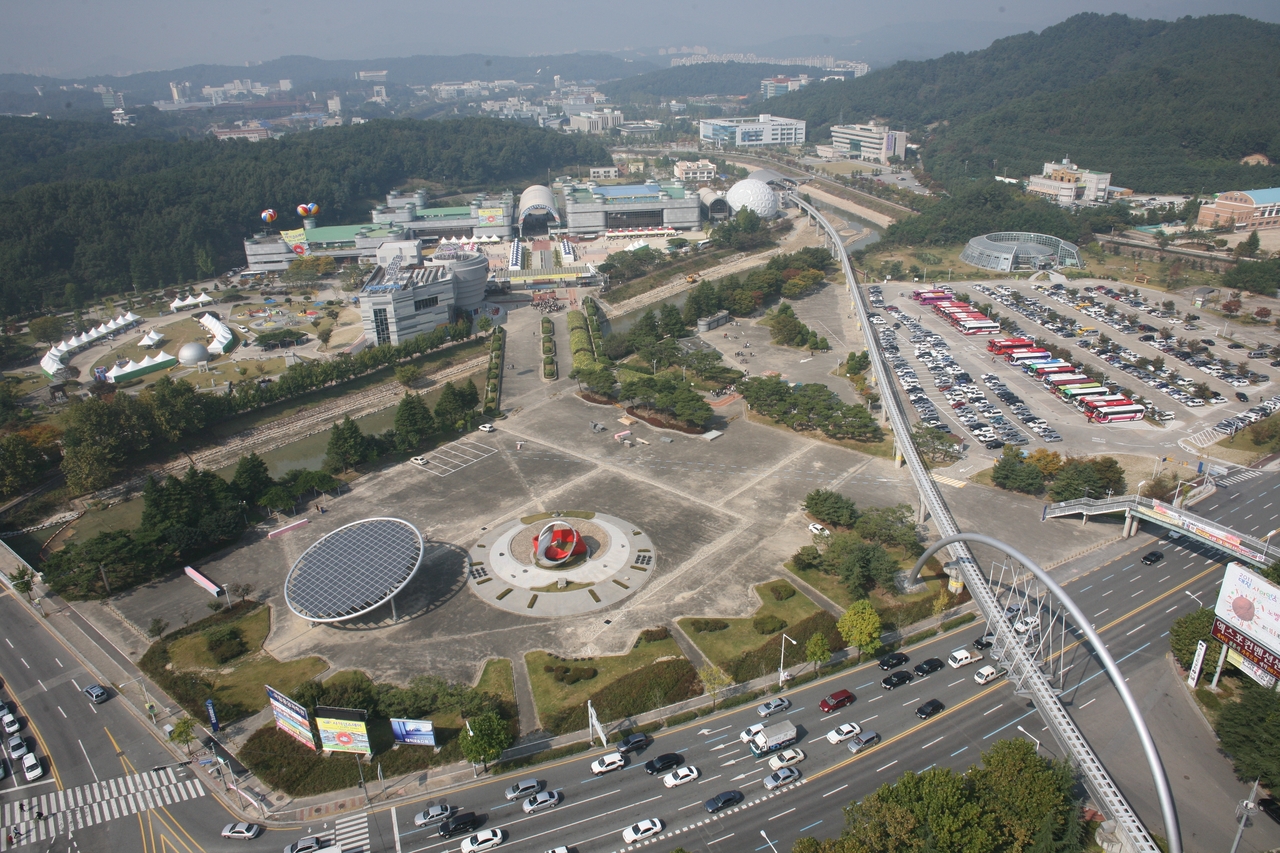
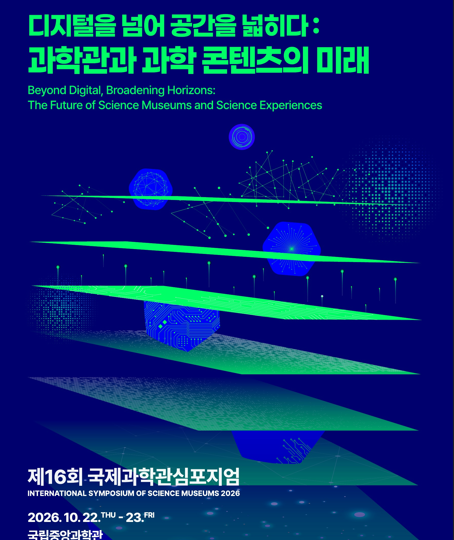
The National Science Museum announced it will host the 16th International Science Museum Symposium (ISSM 2026) at its Daejeon venue Thursday and Friday.
Organized by the Ministry of Science and ICT and hosted by the National Science Museum, the event will be held under the theme "Beyond Digital, Expanding Space: The Future of Science Museums and Science Content."
This year's symposium goes beyond simply showcasing new digital tools, focusing instead on how AI and new media can expand exhibition spaces and enrich visitor experiences.
A total of 11 experts from seven countries will deliver presentations and take part in discussions on topics including science museums and new media, expanding the spatial experience of science museums, and the role of science museums in the AI era.
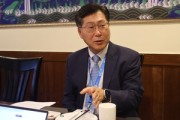
The keynote addresses will be delivered by Janie McRae-Tim, chief digital officer of the Science Museum Group in the United Kingdom, and Jeong Jae-seung, a professor in the Department of Brain and Cognitive Sciences at KAIST.
The two speakers will examine how advances in digital technology are reshaping science and culture experiences, and explore why people still visit science museums in person — and what value hands-on experiences hold — even in an age when diverse science content is readily available online.
Thematic sessions will feature Gerfried Stocker, co-CEO and artistic director of Ars Electronica in Austria; Kanika Chen, deputy director of the National Science Museum of Thailand; and Park Du-san, director of the Nexon Museum.
Participants will share operational case studies from their respective countries and discuss ways to integrate new media technology into exhibitions and education to deepen visitor engagement and enhance the impact of hands-on experiences.
A special session will also be held as a follow-up to the "ISSM 2025 Daejeon Joint Statement" adopted last year, focusing on the value and role of science museums in the AI era and showcasing examples of AI-driven exhibition content and visitor services.
An academic conference bringing together science museum practitioners and researchers from home and abroad will feature 92 papers presented across five categories: exhibition, education, policy and operations, and related fields.
Outstanding papers will receive 33 awards in total, including prizes from the Deputy Prime Minister and Minister of Science and ICT, the director of the National Science Museum, and the chairman of the Korea Foundation for the Advancement of Science and Creativity.
Lee Eun-young, director of the National Science Museum, said that while digital technology and AI are rapidly changing how people encounter and understand science, the core value of a science museum lies in how it uses technology to offer people new experiences and opportunities for learning.
She added that the museum would continue to exchange ideas and cooperate with science museums at home and abroad to ensure that the insights and research outcomes from the symposium translate into real improvements in exhibitions, education and visitor services.
nbgkoo@heraldcorp.com