Hong Ji-sun: 'Supply is the fundamental solution'
Around 100,000 public housing units to be delivered in Greater Seoul by end of next year
Average monthly rent in Seoul up 15.1% in a year to 1.66 million won
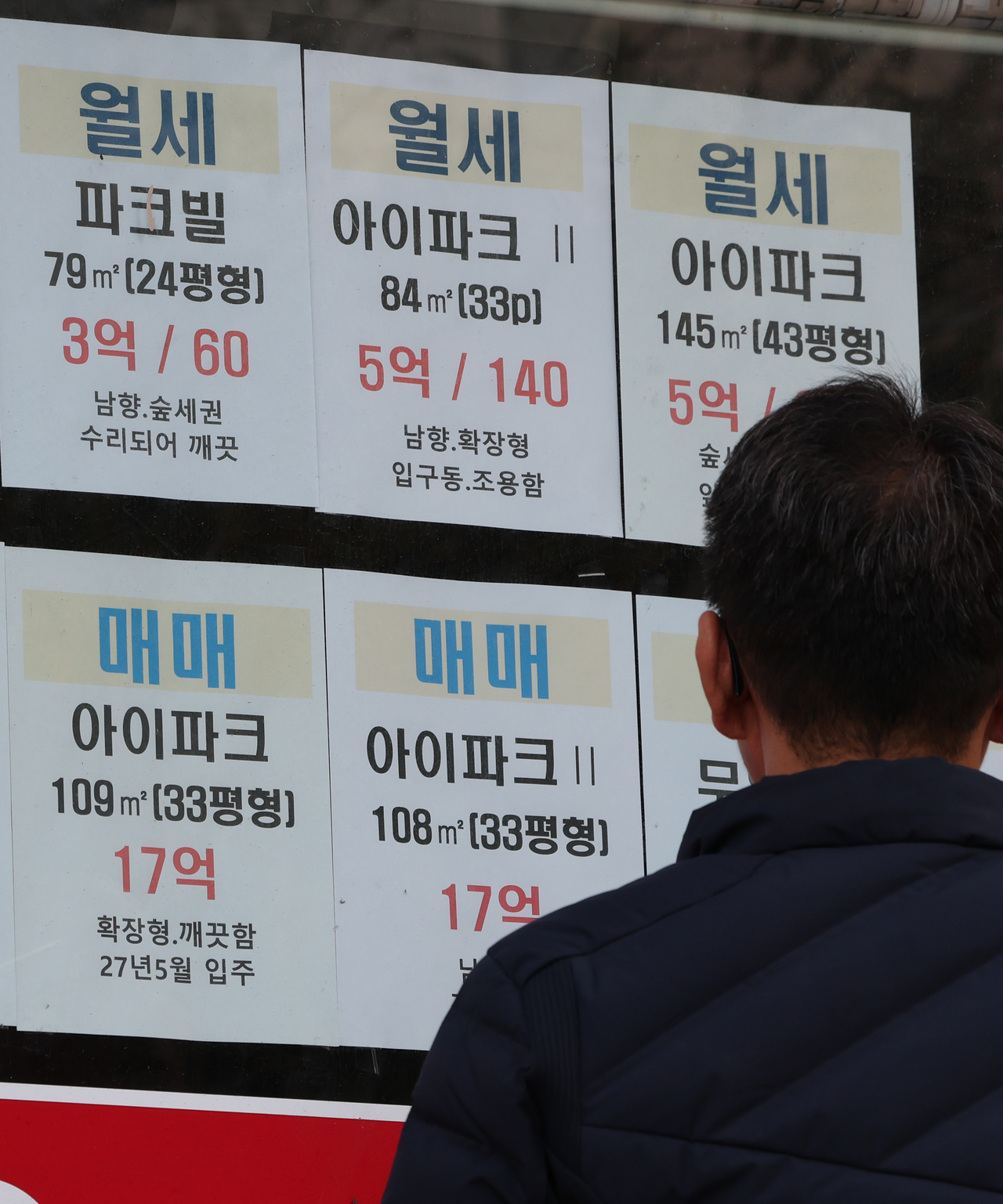
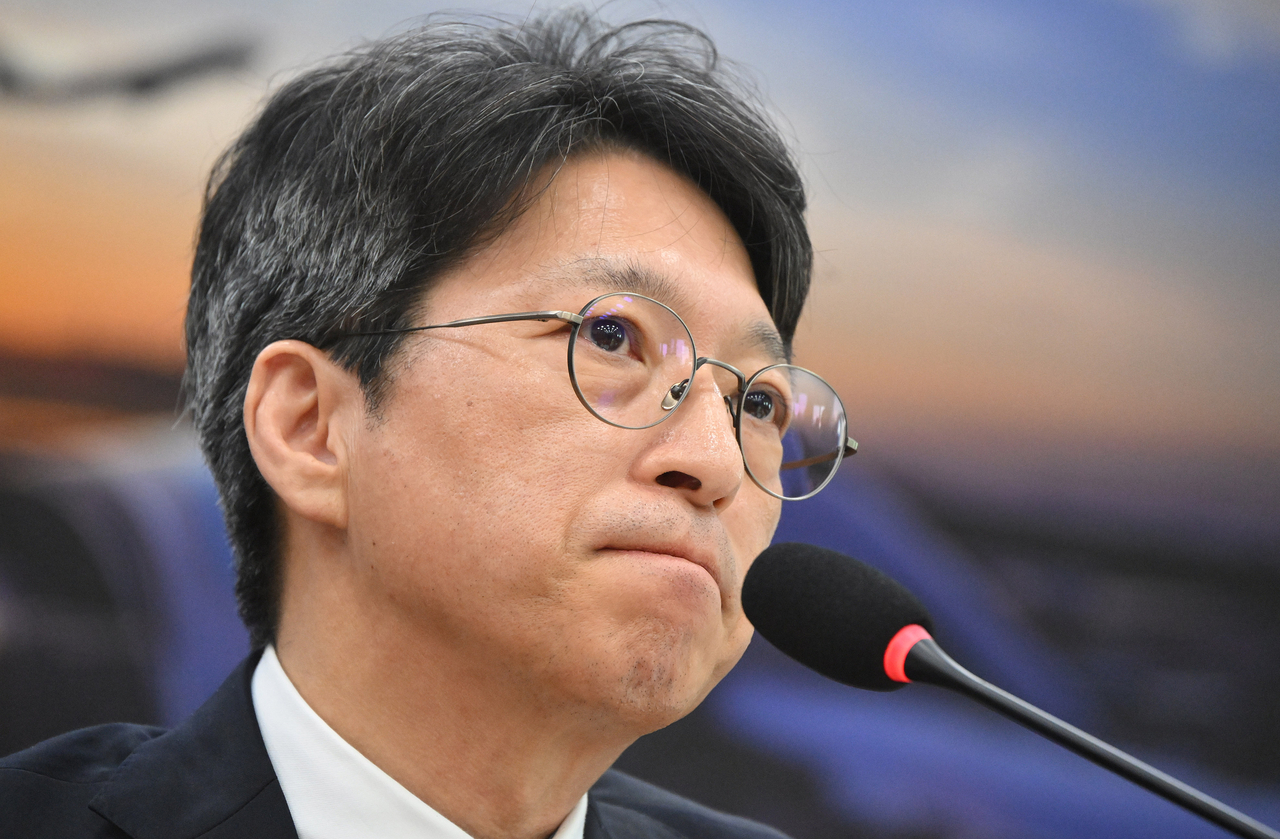
Land Minister Hong Ji-sun described the ongoing shift away from jeonse toward monthly rent as a "structural change in the lease market" and pledged to keep searching for ways to ease the monthly rent burden on tenants. The government also said it would accelerate efforts to reduce housing costs for young people as monthly rent contracts surpassed half of all apartment lease deals in Seoul for the first time.
Hong posted on X, formerly Twitter, on Wednesday night under the heading "I am listening seriously to concerns about the monthly rent burden," writing that "the biggest cause of rising jeonse and monthly rent is the drop in move-in supply due to sluggish ground-breaking activity."
On the broader solution, Hong said "supply is the fundamental answer," adding that housing permits and ground-breakings in Seoul from January through August this year rose more than 40 percent from a year earlier, and that around 100,000 public housing units in the Greater Seoul area are set to be delivered by the end of next year.
She added that the government would also expand 20-year long-term private rental housing and universal public rental housing "to widen the options for people to live with peace of mind over the long term."
The shift from jeonse to monthly rent is accelerating in Seoul's apartment lease market, with monthly rent contracts exceeding 50 percent of all deals for the first time. Data from the Seoul Real Estate Information Plaza showed that of 172,027 apartment lease transactions recorded in Seoul from January through September this year, 87,740 — or 51.0 percent — were monthly rent contracts. That was up 7.3 percentage points from the same period last year (43.7 percent), driven largely by a 27.5 percent year-on-year drop in jeonse transactions.
Hong attributed the shift to factors including a rise in single-person households and the fallout from jeonse fraud. The industry, however, points to a tightening of owner-occupancy requirements after all of Seoul was designated a land transaction permit zone last October, which reduced the supply of jeonse listings. Tighter lending regulations have also been cited as a factor accelerating the decline in jeonse supply.
The scarcity of jeonse has pushed monthly rents higher as well. According to a Korea Real Estate Board survey, the average monthly rent for a Seoul apartment last month was 1.66 million won ($1,250), up 218,000 won — or 15.1 percent — from a year earlier.
Hong said the government "has been expanding support to ease the housing cost burden on the public amid this change," noting that salaried workers without a home who earn up to 80 million won a year and live in qualifying housing can deduct 15 to 17 percent of their monthly rent from their taxes, up to a ceiling of 10 million won per year.
She added that workers earning up to 55 million won a year who pay 1 million won a month in rent can receive a deduction of up to 1.7 million won annually, and that the government provides young renters with a monthly subsidy of up to 200,000 won.
Meanwhile, the government has signaled its intent to boost youth housing supply as rising monthly rents weigh on young people's living costs. Kim I-tak, first vice minister of land, infrastructure and transport, attended the opening ceremony of the Ludia House student dormitory at Gyeongin Women's University in Gyeyang-gu, Incheon, on Wednesday afternoon, saying the Korea Land and Housing Corporation "plans to actively supply shared youth housing by purchasing homes and re-leasing them at affordable rates." He added that the government would "consistently expand happy dormitories to ease the housing burden on university students."
lucky@heraldcorp.com